Tokyo

Plan your Tokyo
trip with AI

Get a complete personalized itinerary in seconds. Hotels, flights, activities and hidden gems — all planned by Tony AI.

Plan my Tokyo trip →

Why visit Tokyo?

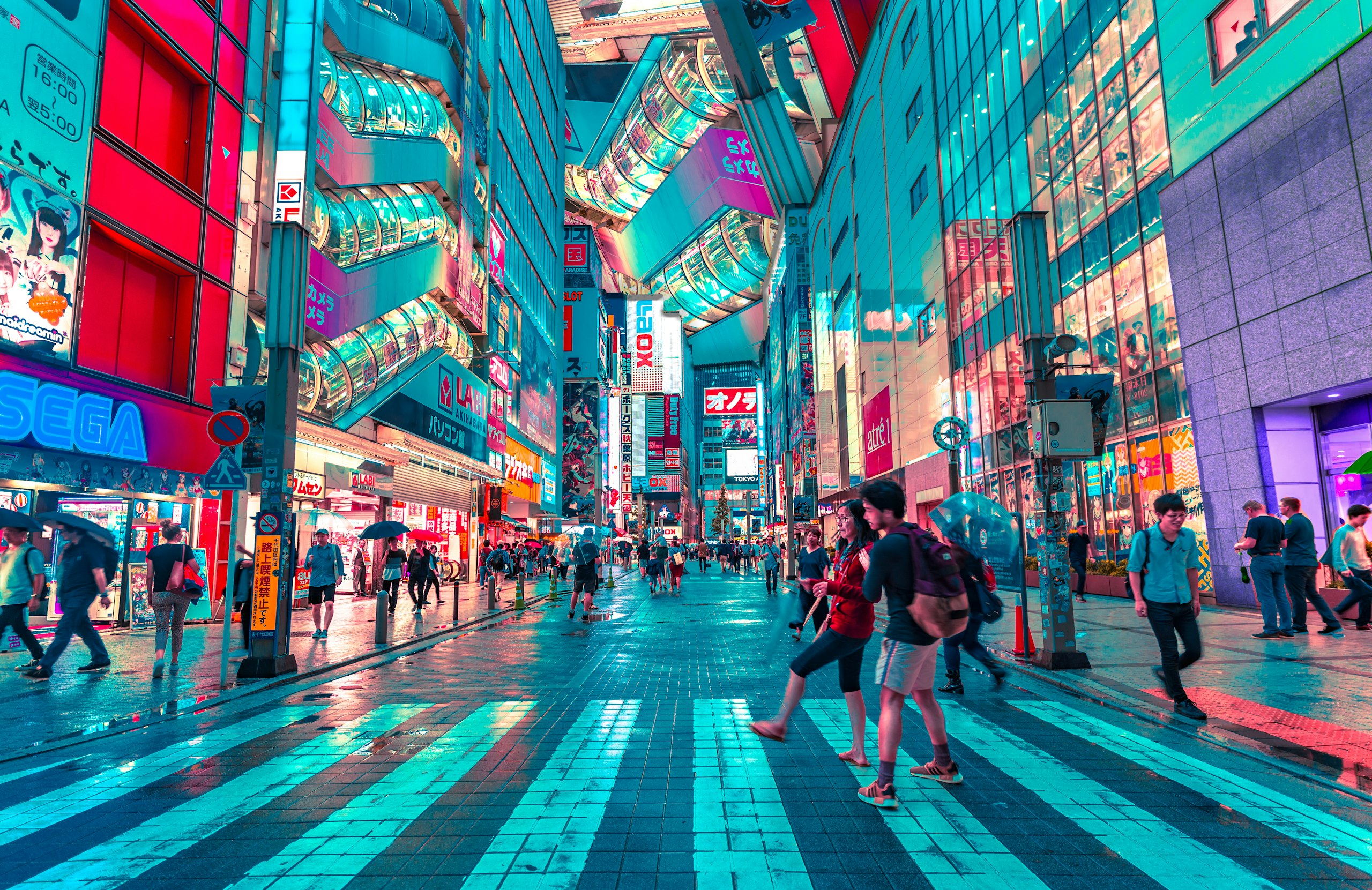
Tokyo is a mesmerising megacity where neon-lit futurism and quiet tradition coexist block by block. Scramble across the famous Shibuya crossing, shop the youthful fashion of Harajuku, and gaze over an ocean of lights from a Shinjuku skyscraper. Then step into serenity at the Meiji Shrine, the temples of Asakusa, and the tranquil gardens hidden between towers. Tokyo is a paradise for food lovers, from Michelin-starred sushi and smoky yakitori alleys to conveyor-belt ramen and the food halls beneath department stores. Explore the electronics wonderland of Akihabara, the elegant boutiques of Ginza, and the trend-setting cafes of Daikanyama. The city is astonishingly clean, safe and efficient, with a train system that whisks you anywhere in minutes. Cherry blossoms in spring and golden ginkgo in autumn transform its parks. Day trips to Mount Fuji, Nikko and Kamakura sit within easy reach. Tony, our AI travel planner, weaves neighbourhoods, food streets, shrines and shopping into one seamless itinerary tuned to your curiosity. Tell Tony whether you crave cuisine, culture, nightlife or shopping, and receive a Tokyo journey balancing dazzling icons with hidden alley bars and local gems, matched to your pace, budget and season.

Sights & nature

Meiji Shrine's forest, Shinjuku Gyoen gardens and a glittering skyline crowned by distant Fuji.

Local cuisine

Sushi, ramen, yakitori, tempura and delicate wagashi sweets from world-class kitchens and alleys.

Best time

Late March to April for blossoms and October to November for crisp autumn colour.

Plan your Tokyo trip with Tony AI

Tony AI creates personalized day-by-day itineraries based on your budget, travel style and interests. No more hours of research — get your perfect Tokyo plan in seconds.

Book your Tokyo trip

Everything for your Tokyo trip

Book flights, stays, tours and more — all in one place

More options: Kiwi.com · Oojo · seats.aero · Arangrant · HopeGoo · QEEQ · VIP Cars · GetTransfer · ViaToVia · Saily · Yesim · GigSky · Klook · EF Ultimate Break · EF Adventures · AirHelp Plus · CruiseDirect

Popular experiences in Tokyo

The things travellers book most here. You pay the same price as booking direct.

Top tours & activities in Tokyo

Rent a car in Tokyo

Compare rental cars from local and international companies, with free cancellation on most bookings.

Compare car rentals in Tokyo
Start planning with Tony →

When to go to Tokyo

The best months for Tokyo are March, April, September, October and November. Highs then range from 16°C to 28°C, crowds are high at peak, and a week here is mid-priced.

Jan
9°
low -1°
5 wet days
Feb
11°
low 1°
6 wet days
Mar
16°
low 7°
12 wet days
Apr
19°
low 10°
10 wet days
May
23°
low 15°
15 wet days
Jun
27°
low 19°
16 wet days
Jul
31°
low 24°
16 wet days
Aug
32°
low 24°
16 wet days
Sep
28°
low 21°
14 wet days
Oct
22°
low 13°
11 wet days
Nov
18°
low 9°
8 wet days
Dec
12°
low 2°
8 wet days
Highlighted = best monthsNumber = average daytime highBar = how wet the month is

Temperatures and wet days are measured, not estimated: ERA5 reanalysis for 2021-2023, at Tokyo. Source: Open-Meteo.

Planning Tokyo

Best time to visit TokyoMonth by month, measuredWhere to stay in TokyoWhich area suits youHow many days you needWhat fits in a short or long stay

Tokyo: practical tips

Getting in, getting around and what a day costs — checked by our editors.

From the airport

Tokyo is served by Narita International Airport (NRT) and Haneda Airport (HND). From Narita, express trains reach the city centre in about 60 to 90 minutes. From Haneda, which is closer, trains or monorails take roughly 20 to 30 minutes. Limousine buses and taxis are available from both locations, though travel times via road fluctuate significantly depending on traffic conditions. Train networks offer the most consistent transit times for reaching major metropolitan hubs.

Getting around

The city possesses an extensive rail and subway network, making public transit the most efficient method of travel. Walking is common within dense districts. Ferries operate on the Sumida River for scenic transit. While taxis are plentiful, they are expensive for long distances. Car rentals are generally unnecessary and discouraged due to complex navigation, limited parking, and heavy urban congestion. Navigating via rail remains the standard for both residents and visitors.

Where to base yourself

  • Shinjuku — Those seeking a neon-lit urban experience with endless shopping, dining, and vibrant nightlife options.
  • Asakusa — Travelers interested in traditional architecture, historical temples, and a more classic atmosphere.
  • Shibuya — Visitors wanting to experience the famous scramble crossing, youth culture, and modern retail hubs.
  • Ginza — People looking for an upscale environment featuring luxury department stores and refined dining experiences.

Full guide to where to stay in Tokyo →

What a day costs

Budget€70–120
Mid-range€130–220
Comfort€230+

Per person per day, excluding flights. A rough guide, not a quote.

Money and tipping

The currency is the Japanese Yen (JPY). While digital payments and credit cards are increasingly accepted at major outlets, cash remains essential for smaller shops, older establishments, and ticket machines. Always carry some yen for convenience. Tipping is not part of Japanese culture; providing gratuities can cause confusion or be politely declined by staff.

More questions about Tokyo

How many days do you need in Tokyo?

Five days is the minimum required to see the primary highlights and experience the diverse character of various districts. If you intend to explore deeply or take excursions to nearby regions, one week is preferable. A longer stay allows for a more relaxed pace, helping you navigate the sheer scale of the metropolis without feeling rushed.

Is Tokyo safe for tourists?

Tokyo is exceptionally safe by global standards. Violent crime is extremely rare, and even solo travelers usually feel secure walking in most areas at night. The main concerns for visitors are occasional petty theft in crowded hubs or minor natural disasters like earthquakes. Practicing standard travel caution and maintaining awareness of your surroundings is generally sufficient for a worry-free visit.

Is English widely spoken in Tokyo?

English proficiency varies significantly. You will find that staff at major hotels, large department stores, and tourist-focused transport hubs speak functional English. However, outside these areas, English is less common. Learning basic Japanese phrases or utilizing translation applications is highly recommended to assist with navigation, reading menus, or interacting with locals in residential or traditional parts of the city.

Can you drink the tap water in Tokyo?

Yes, the tap water in Tokyo is perfectly safe to drink. It meets strict national quality standards and is regularly tested to ensure its purity and safety. Most visitors find it tastes pleasant. You can safely fill reusable bottles from public fountains or hotel taps, which helps reduce waste while exploring the city throughout the day.

What are the best day trips from Tokyo?

Popular day trips include the mountain town of Hakone for hot springs and views of Mount Fuji, or the historic shrines and temples of Nikko. Kamakura is excellent for coastal scenery and the Great Buddha statue. Each location is accessible by train within two hours, offering a scenic contrast to the dense urban environment of the capital.

Tokyo — common questions

When is the best time to visit Tokyo?

The best months for Tokyo are March, April, September, October and November. Highs then range from 16°C to 28°C, crowds are high at peak, and a week here is mid-priced.

What is the weather like in Tokyo?

August is the warmest month, with daytime highs around 32°C. January is the coolest, around 9°C by day and -1°C at night. June is the wettest, with about 16 wet days. Figures are measured averages, not estimates.

What is Tokyo known for?

Tokyo is best known for city life, food, culture, history and architecture. The things people come for: Shibuya crossing, Meiji Shrine, Michelin sushi, cherry blossoms and ginkgo.

Who is Tokyo best suited to?

Tokyo works particularly well for solo travellers, couples, first-time visitors and photographers. That is based on what there is to do there, not on who books it most.

What can you book in advance in Tokyo?

The experiences that sell out first are food tours, cooking classes, day trips, skip-the-line tickets, walking tours and night tours. You can check availability and prices on our booking partners below — you pay the same as booking direct.

Do I need a visa for Japan?

That depends on your passport and how long you are staying, so there is no single answer. TonyPlan has a visa and entry checker — put in your nationality and it tells you what applies to you.

Get the Tokyo guide as a PDF

Why to go, the best months with real measured temperatures, which area to stay in, and what flights cost right now — in one file you can read on the plane. Free.

We will also send new guides and itineraries as we publish them. No fixed schedule, and you can unsubscribe from any email.

Planning Tokyo?

Best time to visitIs it expensive?On a budgetIs it safe?How many days

Compare Tokyo with

BangkokKyotoOsakaSeoul

Free tools for your Tokyo trip

Budget calculatorPacking listFlight time & jet lagTrip countdown
Food tours in Tokyo: what to eat & tours compared →

Getting to nearby places

To Hakone (train)To Kanazawa (train)To Takayama (train)
Arriving by plane? Haneda Airport (HND) to the centre →
Best option: train · about 15–20 km