Home › Food tours › Tokyo
Food tours in Tokyo: what to eat and which tour to book
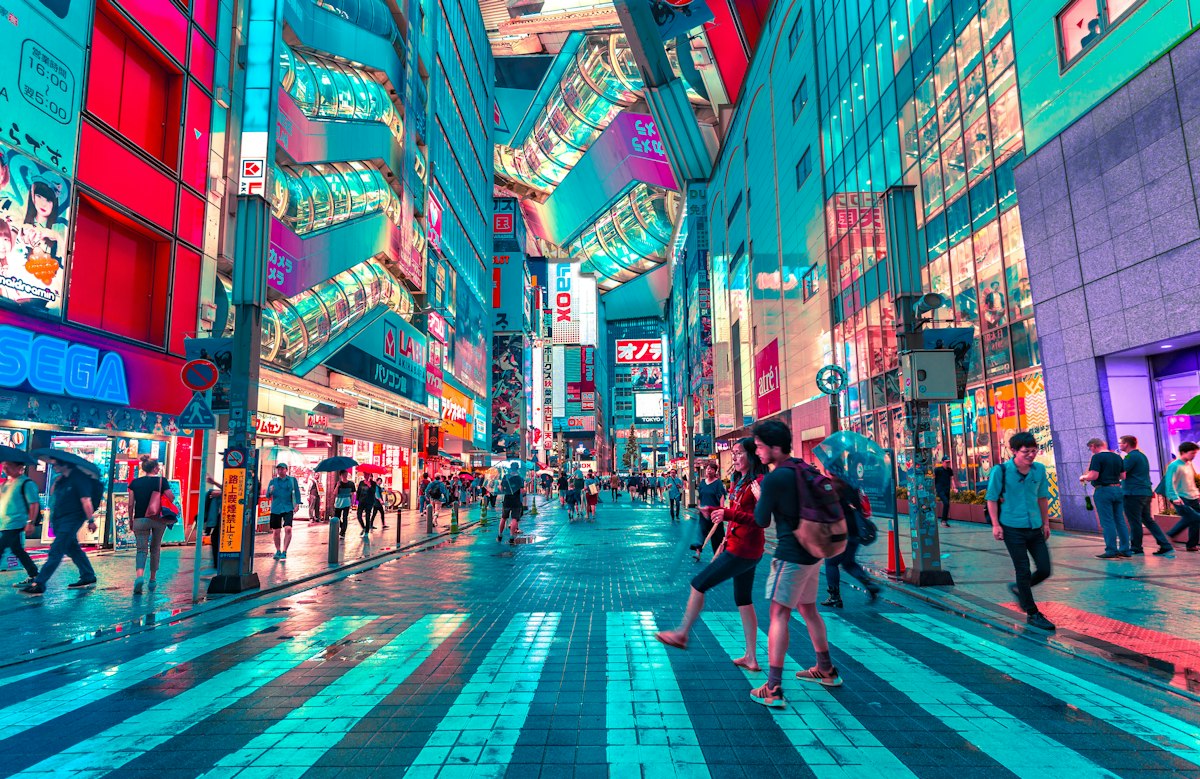
Tokyo eats through specialists. A ramen shop does one style of ramen, a tonkatsu restaurant only fries pork, a yakitori counter grills chicken part by part. Quality is high even at cheap places, and some of the best meals are at standing bars, train-station noodle counters and department-store food halls (depachika). Street food in the Bangkok sense is limited; eating while walking is frowned on in many areas. Instead, look to markets like Tsukiji's outer market and Ameyoko, and to the tiny izakaya alleys of Shinjuku and Yurakucho.
Use this page to know what to order and where, and how the city's opening hours and etiquette work: many small places take cash, have a ticket machine at the door, and close between lunch and dinner. The tours listed are real GetYourGuide and Viator listings with approximate prices as seen when we checked; confirm on the booking page.
What to eat in Tokyo
| Dish | What it is | Where to eat it | Typical price* |
|---|---|---|---|
| Ramen ラーメン ramen | Wheat noodles in broth; main styles are shoyu (soy), shio (salt), miso and tonkotsu (rich pork bone). Tsukemen are dipping noodles served separately from a thick broth. | Ramen shops everywhere; clusters around Shinjuku, Ikebukuro and Tokyo Station's Ramen Street. | about ¥1,000–1,800 (≈€6–11) a bowl |
| Sushi 寿司 sushi | Vinegared rice with raw or cured fish. Conveyor-belt (kaiten) shops are cheap; counter sushi with a set course (omakase) is the high end. | Tsukiji outer market for breakfast sushi; kaiten chains citywide; counters in Ginza for omakase. | about ¥1,500–4,000 (≈€9–24) for a casual set; omakase ¥15,000+ |
| Grilled chicken skewers 焼き鳥 yakitori | Chicken grilled over charcoal, part by part (thigh, skin, heart, meatballs), seasoned with salt or tare sauce. | Omoide Yokocho in Shinjuku, under the tracks at Yurakucho, local izakaya. | about ¥150–400 (≈€1–2.50) per skewer |
| Breaded pork cutlet とんかつ tonkatsu | Thick pork loin or fillet, panko-breaded and deep-fried, served with shredded cabbage, rice and miso soup. | Specialist tonkatsu restaurants; set meals at lunch are best value. | about ¥1,500–3,000 (≈€9–18) for a set |
| Buckwheat noodles 蕎麦 soba | Buckwheat noodles served cold with dipping sauce (zaru soba) or hot in broth; stand-up soba counters at stations are a commuter staple. | Old soba houses around Kanda and Asakusa; standing counters at train stations. | about ¥400–700 (≈€2.50–4) at a standing counter; ¥1,000–2,000 at a soba house |
| Savory pancake もんじゃ焼き monjayaki / お好み焼き okonomiyaki | Monja is a runny batter of cabbage and dashi cooked on a griddle at your table, Tokyo's own dish; okonomiyaki is the thicker pancake. | Tsukishima's Monja Street (Nishinaka-dori) has dozens of monja restaurants. | about ¥1,200–2,000 (≈€7–12) per monja |
| Rolled omelette 玉子焼き tamagoyaki | Sweet, layered omelette, often sold on a stick at market stalls. | Tsukiji outer market stalls. | about ¥100–300 (≈€0.60–2) a stick |
| Fish-shaped cake たい焼き taiyaki | Waffle-like fish-shaped cake filled with sweet red bean paste, sometimes custard. | Old shops in Asakusa, Ningyocho and Azabu-Juban. | about ¥200–300 (≈€1.20–2) |
Where to eat: markets and neighbourhoods
Tsukiji Outer Market
The wholesale fish market moved to Toyosu in 2018, but the outer market's 400-plus shops and stalls remain: sushi breakfasts, tamagoyaki, grilled seafood, knives and kitchen goods.
Omoide Yokocho (Shinjuku)
Narrow post-war alley of about 60 tiny yakitori and offal bars by Shinjuku Station's west exit; seats are few and close together.
Ameyoko (Ueno)
Busy market street under and beside the railway between Ueno and Okachimachi with seafood stalls, snacks, fruit on sticks and standing bars.
Yurakucho railway arches
Izakaya and yakitori places packed under the train tracks near Ginza; an after-work crowd of office workers.
Tsukishima Monja Street
Dozens of restaurants serving monjayaki, a Tokyo specialty cooked at your table.
Department-store food halls (depachika)
Basement food halls in Nihonbashi, Ginza and Shinjuku stores sell prepared food, bento, wagashi sweets and fruit; good for a picnic or a quick, high-quality lunch.
Food tours in Tokyo compared
Every tour below is a real listing on GetYourGuide or Viator, checked on 2 Oct 2026. Prices move with season and group size, so treat them as a guide and confirm on the booking page.
| Tour | Length | Price* | Group | Best for | |
|---|---|---|---|---|---|
| Tokyo: The Best of Izakaya in Shinjuku Food & Cultural Tour | about 3–3.5 hours | roughly ¥15,000–20,000 (≈€90–120) per adult | — | First-timers who feel unsure about ordering in small izakaya; evening visitors. | Check dates |
| Shinjuku Food Tour - 15 Dishes at 4 local eateries | about 3 hours | roughly €80–90 per adult | — | Hungry first-timers who want a broad sample in one evening; walks through Omoide Yokocho and Kabukicho. | Check dates |
| Tokyo Tsukiji Fish Market Food Walking Tour with 5 Tastings | about 2–2.5 hours | roughly ¥6,000–12,000 (≈€35–70) per adult; prices vary widely by platform and option | — | Morning people and seafood lovers; a good first stop on day one. | Check dates |
| Tokyo: Sushi and Ramen Cooking Class with Sake Pairing Set | about 3 hours | roughly ¥15,000–20,000 (≈€90–120) per adult | — | Couples and groups who want a hands-on evening; check vegetarian options before booking as ramen broth is usually pork. | Check dates |
Tokyo: The Best of Izakaya in Shinjuku Food & Cultural Tour
On GetYourGuide
- Length
- about 3–3.5 hours
- Price
- roughly ¥15,000–20,000 (≈€90–120) per adultapprox.
- Included
- Several izakaya stops in Shinjuku with 7+ dishes (enough for dinner) and drinks such as beer or sake; non-alcoholic options available.
- Suits
- First-timers who feel unsure about ordering in small izakaya; evening visitors.
- Starts
- Shinjuku
Shinjuku Food Tour - 15 Dishes at 4 local eateries
On GetYourGuide
- Length
- about 3 hours
- Price
- roughly €80–90 per adultapprox.
- Included
- 4 eateries (izakaya, specialist restaurants, bars) with about 15 dishes such as sushi, tonkatsu, gyoza and takoyaki, plus drinks.
- Suits
- Hungry first-timers who want a broad sample in one evening; walks through Omoide Yokocho and Kabukicho.
- Starts
- Shinjuku Station area
Tokyo Tsukiji Fish Market Food Walking Tour with 5 Tastings
On Viator
- Length
- about 2–2.5 hours
- Price
- roughly ¥6,000–12,000 (≈€35–70) per adult; prices vary widely by platform and optionapprox.
- Included
- 5 tastings such as wagyu skewer, seafood bowl or sushi, tamagoyaki, fish cake and fruit, with a guide through the outer market.
- Suits
- Morning people and seafood lovers; a good first stop on day one.
- Starts
- Tsukiji (check listing)
Tokyo: Sushi and Ramen Cooking Class with Sake Pairing Set
On GetYourGuide
- Length
- about 3 hours
- Price
- roughly ¥15,000–20,000 (≈€90–120) per adultapprox.
- Included
- Making ramen broth and chashu pork, nigiri sushi, and a tasting of three sakes.
- Suits
- Couples and groups who want a hands-on evening; check vegetarian options before booking as ramen broth is usually pork.
Some links on this page are partner links. If you book through them TonyPlan earns a small commission — the price you pay is exactly the same.
Street food, sit-down or a cooking class?
Street food
Tokyo has market food rather than street food: skewers and tamagoyaki at Tsukiji, snacks at Ameyoko, festival stalls (yatai) at shrine festivals. Eating while walking is considered rude in many places; eat next to the stall that sold it. Convenience stores (konbini) are a serious, cheap food option.
Sit-down meals
Most restaurants are small and specialised. Lunch sets (teishoku) from about ¥1,000–1,500 are the best value; dinner at the same place can cost double. Many ramen and soba shops use a ticket machine at the door, and some still take cash only. High-end sushi and kaiseki need reservations, often weeks ahead.
Cooking classes
Classes cover sushi, ramen, gyoza, wagashi sweets and home-style cooking, usually 2–3 hours. They are useful because Japanese technique (rice, knife work, dashi) is hard to pick up from eating alone. Check whether the menu uses dashi (fish stock) if you are vegetarian.
How much to budget for food
| Style | Per person, per day* |
|---|---|
| Budget (street food, markets) | ¥3,000–5,000 (≈€18–30): konbini breakfast, ramen or soba lunch, set dinner |
| Mid-range (one sit-down meal a day) | ¥7,000–12,000 (≈€40–70): lunch set plus izakaya dinner with drinks |
| Splurge (tasting menus, wine) | ¥25,000+ (≈€150+): omakase sushi or kaiseki dinner |
Vegetarian, halal and gluten-free
Vegetarian & vegan: Harder than it looks: dashi made from bonito fish flakes is in miso soup, noodle broths and many sauces. Look for shojin ryori (Buddhist temple cuisine), dedicated vegan ramen shops and the vegetarian-friendly listings on HappyCow. Saying 'niku to sakana nashi' (no meat or fish) is a start, but dashi often slips through.
Halal: Halal options have grown: there are halal ramen and yakiniku restaurants, especially around Asakusa, Shinjuku and Okachimachi, and several mosques. Mirin and sake are used widely in cooking; ask or choose certified places. Konbini rarely label halal.
Gluten-free: Difficult. Soy sauce contains wheat and is everywhere, as are tempura batter, panko and many noodles. Pure buckwheat soba (juwari soba) is gluten-free but often cooked in shared water. Sashimi with tamari (wheat-free soy) and plain rice are safer; carry a Japanese-language card.
Food scams and tourist traps to avoid
- Touts in Kabukicho and Roppongi steering visitors to bars with hidden cover charges, inflated drink prices or worse; Tokyo police warn about these regularly. Never follow a street tout into a bar. Pick places yourself and check prices before ordering.
- Izakaya cover charge (otoshi or tsukidashi): a small appetiser you did not order and a seat charge of a few hundred yen per person. This is normal and not a scam, but expect it. Ask 'otoshi arimasu ka?' if you want to know before sitting.
- Inflated seafood at a few tourist-facing Tsukiji stalls: very large uni or wagyu skewers at premium prices. Check price boards (prices are displayed), compare a few stalls, and eat at sit-down sushi shops for better value.
- Restaurants near major sights with English-only menus and no prices or 'market price' items. Choose places with set prices on the menu or ticket machine; use Tabelog for local ratings.
Top tours & activities in Tokyo
Rent a car in Tokyo
Compare rental cars from local and international companies, with free cancellation on most bookings.
Compare car rentals in TokyoPlan the rest of your Tokyo trip
Staying near the markets saves time and taxi money — most food tours start in the old centre.
Common questions
Do I tip in Tokyo?
No. Tipping is not part of Japanese culture and staff may chase you to return the money. Good service is included in the price. Some upscale restaurants add a 10% service charge to the bill. Food-tour guides working for international companies may accept a tip, but it is never expected; a thank-you is enough.
When is Tsukiji Outer Market open?
Shops start very early for trade, but visitors are best between about 9:00 and 13:00. Many stalls close on Wednesdays, Sundays and public holidays, and popular items sell out by midday. The tuna auctions now take place at Toyosu Market, not Tsukiji, and need an early start and advance arrangements.
Which tour is best for first-timers?
An evening izakaya tour in Shinjuku is the most useful: guides handle ordering in tiny bars where menus are in Japanese only and explain etiquette. A morning Tsukiji tasting walk works well as a first-day orientation. Cooking classes suit people who already know the food and want to learn technique.
How much should I budget for food per day?
Tokyo is cheaper to eat in than many visitors expect. On a budget, ¥3,000–5,000 covers konbini breakfast, ramen and a set dinner. Mid-range with an izakaya evening is about ¥7,000–12,000. High-end sushi omakase and kaiseki start around ¥15,000–25,000 per person before drinks.
Do I need cash?
Card and IC-card (Suica, Pasmo) payments are now widely accepted, but many small ramen shops, yakitori bars and market stalls are still cash only, and some ticket machines take only coins and ¥1,000 notes. Carry ¥10,000–20,000 in cash; convenience-store ATMs accept foreign cards.
Is it rude to eat while walking?
In many areas, yes, particularly around temples and in Asakusa's Nakamise street, where signs ask people not to. The norm is to eat next to the stall or in a designated area, and to carry your rubbish until you find a bin, as public bins are rare. Drinking while walking is also frowned upon.
* Prices are approximate, gathered on 2 Oct 2026 from menus, markets and the booking pages linked above. They change with season and exchange rates.