Where to stay in Tokyo
Tokyo is a massive, sprawling metropolis defined by its rail loops rather than a central hub. The city is a collection of distinct villages connected by the JR Yamanote line. Choosing your base depends on whether you prefer high-energy nightlife, corporate efficiency, or bohemian residential streets. Prioritize proximity to a major station to minimize travel time, as the sheer scale of the city makes traversing cross-town distances exhausting.
Shinjuku
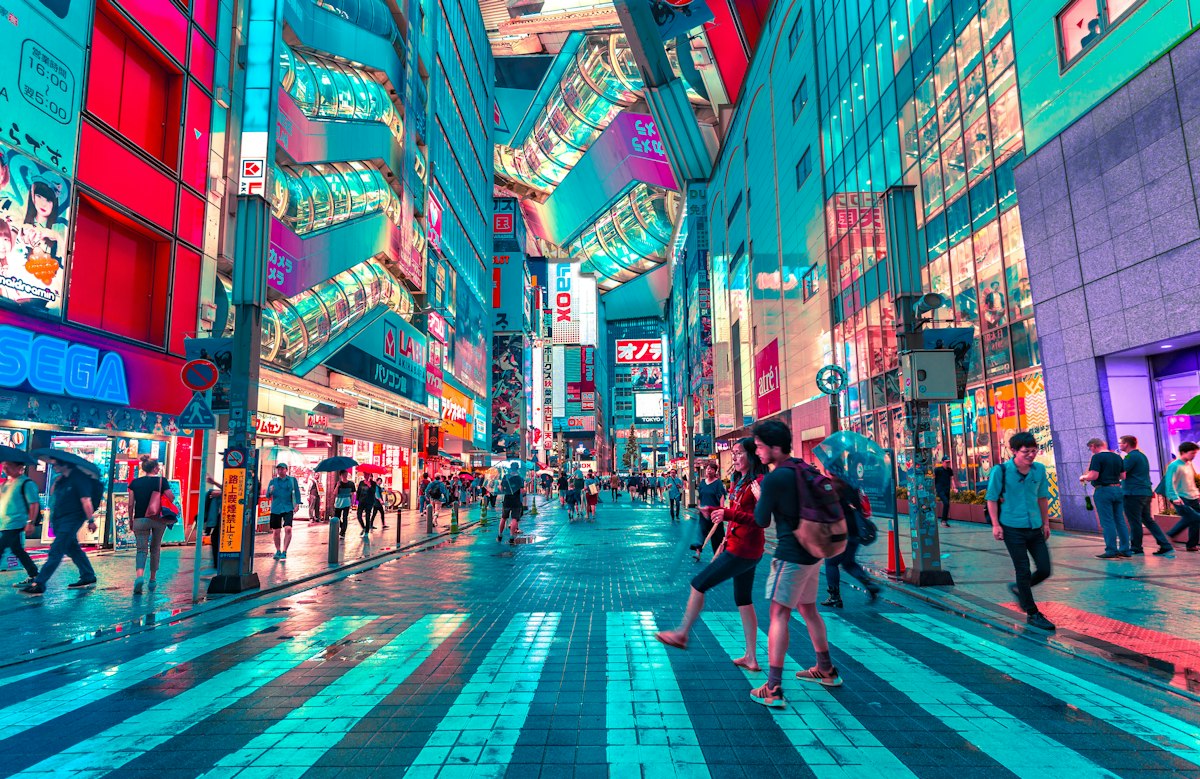
It feels kinetic and overwhelming, with skyscrapers towering over narrow alleys filled with tiny bars. You can easily walk to the sprawling Shinjuku Gyoen National Garden or the gritty Golden Gai district. Everything is open late, from department stores to karaoke spots. It is the definitive center for transport, making almost any other Tokyo district accessible within thirty minutes.
Asakusa
This district retains an older, nostalgic vibe centered around the iconic Senso-ji Temple. The streets are lined with low-rise shops selling traditional crafts and street snacks. You can walk along the Sumida River for views of the Tokyo Skytree. It feels grounded and historical, offering a stark contrast to the aggressive modernity found in the western parts of the city.
Shibuya
The area around the world-famous scramble crossing is pulsing with retail, fashion boutiques, and loud electronic advertisements. You can walk to Yoyogi Park for a bit of green space or explore the hidden cafes of the Oku-Shibuya side streets. It is intense, crowded, and perfectly captures the modern, hyper-commercialized spirit of the city’s youth culture.
Ginza
Ginza is characterized by grand department stores, art galleries, and immaculate tea houses. It is a refined, orderly district that feels far removed from the neon chaos of the west. Walking here is pleasant due to the wide sidewalks. You are steps away from the Imperial Palace East Garden and the upscale performances at the Kabukiza Theatre.
Shimokitazawa
The vibe here is incredibly laid-back, filled with independent record stores, tiny theaters, and retro boutiques. It is almost entirely pedestrian-friendly, with narrow alleys that discourage car traffic. You can spend hours walking between small cafes and curry shops. It feels like a small town dropped into the middle of the metropolis, offering a much needed breathing space.
Rent a car in Tokyo
Compare rental cars from local and international companies, with free cancellation on most bookings.
Compare car rentals in TokyoOne thing to think about
Avoid staying in the immediate vicinity of major stations like Tokyo Station if you want peace and quiet. While convenient for the Shinkansen, these areas are primarily office districts that become sterile and deserted after 8 PM, leaving you with very few dining or nightlife options once the workers commute home.
Once you have a bed
The things that sell out first in Tokyo are the small-group tours and the skip-the-line tickets.
Top tours & activities in Tokyo
Common questions
Is the Japan Rail Pass worth it for city travel?
No. The JR Pass is designed for long-distance intercity travel. For exploring Tokyo, the pass is ineffective because it does not cover the extensive Tokyo Metro and Toei Subway lines. You are better off using a rechargeable Suica or Pasmo card to seamlessly pay for all local trains and buses as you go.
How important is it to be near a Yamanote Line station?
It is vital. The Yamanote line is the loop that connects all major urban centers. Staying within a ten-minute walk of a station on this line simplifies your itinerary significantly, as it allows you to reach virtually all major attractions without dealing with the frustration of complex transfers between different private subway companies.
Do I need to carry cash in Tokyo?
Yes. While major hotels and large stores accept cards, many authentic local restaurants, ticket machines, and small retail shops in neighborhoods like Shimokitazawa remain cash-only. Keep a coin purse handy for change, as you will find yourself paying for street snacks and local transport fares with physical currency throughout your trip.
Hotel links go to Booking.com. If you book through them TonyPlan earns a small commission — the price you pay is exactly the same.