How many days in Munich? 3 days of beer gardens, palaces and an Alpine castle
By Tony Panopoulos · travel-agency planner in Greece · Updated
Munich is Bavaria's capital: royal palaces, world-class museums, beer halls and the biggest city park in Europe, with the Alps an hour away. Three days covers the old town around Marienplatz and the Residenz, the English Garden and the museums, and a long day out to Neuschwanstein, the fairy-tale castle of King Ludwig II. If you can, add a morning at the Dachau concentration camp memorial, 40 minutes from the centre. During Oktoberfest (late September to early October), prices double and rooms sell out months ahead.
Short answer
Two days covers the old town, the Residenz, the English Garden and one museum. The third day goes to Neuschwanstein, which most visitors consider essential.
The 3-day plan, day by day
Day 1: Marienplatz, the Residenz and the Viktualienmarkt
Morning. Be on Marienplatz at 11:00 (also 12:00, and 17:00 from March to October) for the Glockenspiel in the New Town Hall tower, with 32 mechanical figures dancing for about 12 minutes. Climb the tower of St Peter's Church ('Alter Peter', about 300 steps) for the view over the Frauenkirche's twin domes.
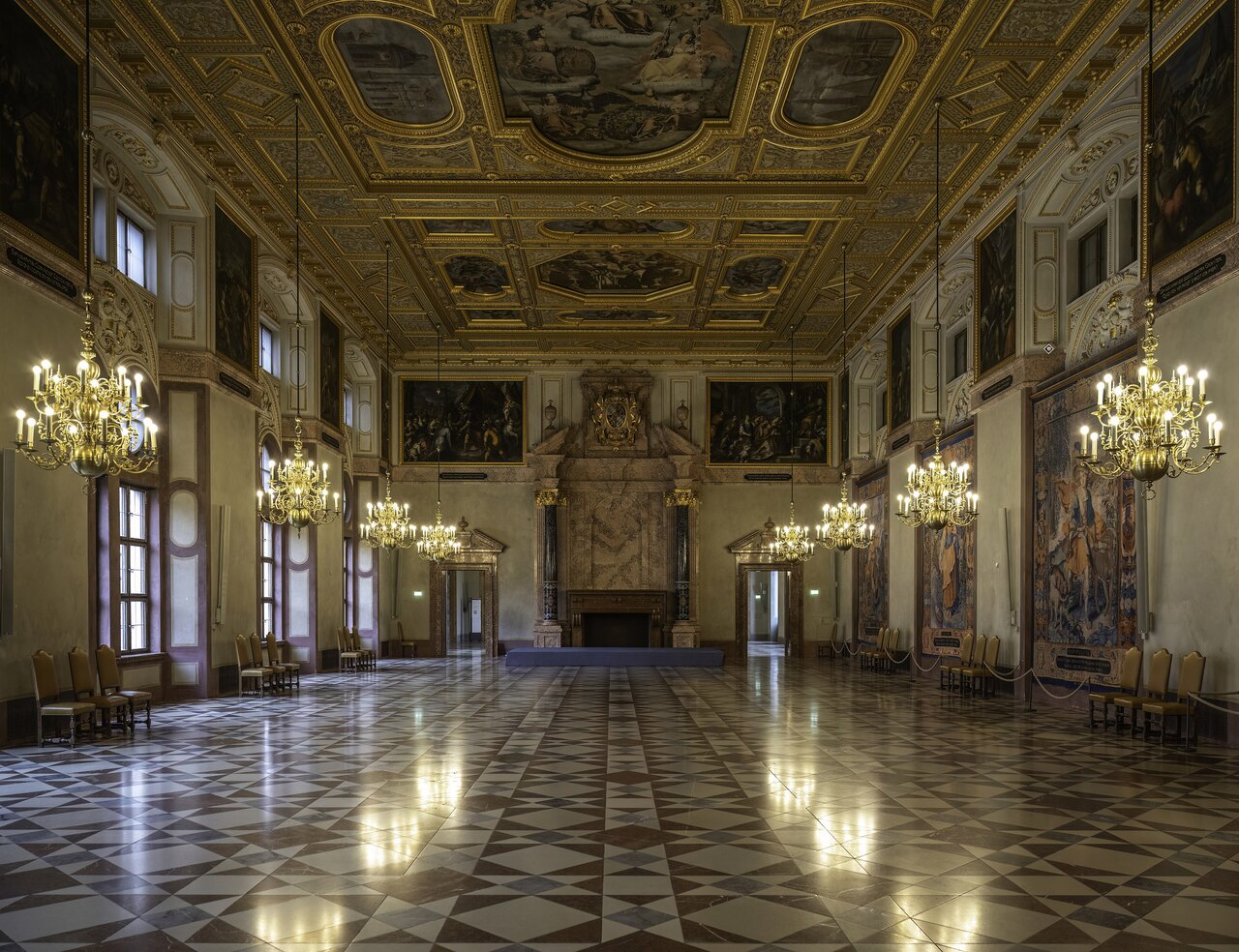
Afternoon. Visit the Residenz (about €10-20 depending on the sections), the Wittelsbach rulers' palace for 400 years, with the Renaissance Antiquarium hall and the Treasury. Then the Viktualienmarkt, the city's food market since 1807, with a beer garden under its maypole.
Evening. Visit the Hofbräuhaus (1589) once for the brass band and the litre mugs (a Mass of beer costs about €12-15), then go to a quieter traditional tavern such as the Augustiner Bräustuben.
The Frauenkirche's 'devil's footprint' at the entrance is one of Munich's favourite legends; look for it inside the door.
Day 2: The English Garden and the museums
Morning. Visit the Deutsches Museum (about €15-20) on its island in the Isar, one of the world's largest science and technology museums: mines, aircraft, ships and the first diesel engine. Allow 3 hours, or choose the Alte Pinakothek for Dürer, Rubens and Raphael (entry only €1 on Sundays).
Afternoon. Walk into the English Garden (Englischer Garten), larger than New York's Central Park: watch the surfers on the standing wave of the Eisbach at the park's southern entrance, then walk to the Chinese Tower beer garden, with 7,000 seats.
Evening. Take a beer at the Seehaus on the Kleinhesseloher lake, or eat in Schwabing, the old artists' district, then back to the centre.
In beer gardens with a 'self-service' area, you may bring your own food (but not drinks), a centuries-old Bavarian tradition.
Day 3: Neuschwanstein
Morning. Take the train to Füssen (about 2 hours, with a Bayern-Ticket for groups) and the bus to Hohenschwangau. Climb or take the horse carriage up to Neuschwanstein Castle; entry is by timed guided tour only (about €20-21, book online weeks ahead in summer).
Afternoon. Walk to the Marienbrücke bridge over the Pöllat gorge for the classic view of the castle (closed in winter or for maintenance at times). Visit Hohenschwangau Castle, Ludwig's childhood home, or the Museum of the Bavarian Kings.
Evening. Return to Munich by train for dinner. Tours from Munich (about €60-90, without castle entry) simplify the logistics.
If you prefer history to fairy tales, spend this day (or a morning) at the Dachau Concentration Camp Memorial Site instead (free; about 40 minutes by S-Bahn and bus). Guided tours help explain the site.
Only have 2 days?
With 2 days, do Day 1 and Day 3, and see the English Garden's surfers on the first evening.
Got extra days?
With more time, visit Nymphenburg Palace (summer residence with a huge park), the BMW Welt and Olympic Park, Salzburg (about 1.5 hours by train) or the Alpine lakes of Tegernsee and Königssee.
Where to stay in Munich
| Budget | Area | Why | Typical double/night |
|---|---|---|---|
| Budget | Around the Hauptbahnhof | Cheapest hotels, trains for day trips, 10 minutes' walk to Marienplatz. | €100-160 |
| Mid-range | Altstadt (old town) | Walk to Marienplatz, the Residenz and the beer halls. | €170-280 |
| Mid-range | Maxvorstadt / Schwabing | Near the museums and the English Garden, student atmosphere. | €150-250 |
| Comfort | Maximilianstrasse / Odeonsplatz | Grand hotels near the Opera and luxury shops. | €350-800 |
Getting around
Use the U-Bahn, S-Bahn, trams and buses with MVV tickets (single or day tickets; zone M covers the city). The old town is walkable. From the airport, the S1 and S8 reach the centre in about 40 minutes. For Neuschwanstein, regional trains are covered by the Bayern-Ticket, good value for groups of up to five.
What to eat in Munich
Munich eats Weißwurst (white veal sausage) with sweet mustard and a Brezn (pretzel) for a late breakfast; tradition says it must be eaten before noon. Lunch and dinner bring Schweinshaxe (roast pork knuckle), Schweinsbraten with dumplings, Obatzda (a spiced cheese spread) and, in beer gardens, Steckerlfisch (fish grilled on a stick). Drink Helles (pale lager) or Weißbier (wheat beer) from the city's six traditional breweries. A beer-hall meal costs €15-25.
Best time to visit
May to September, with highs of 20-25°C and beer gardens open. Oktoberfest runs for about two weeks from mid-to-late September; book accommodation very early. December brings Christmas markets at Marienplatz and the Residenz. Winter is cold (around 0-3°C) but good for skiing in the nearby Alps.
Month-by-month weather for Munich →
What a day costs
| Budget | Mid-range | Comfort | |
|---|---|---|---|
| Bed (per person, sharing a double) | €55 | €110 | €250 |
| Food & drink | €30 | €55 | €110 |
| Sights & tours | €15 | €40 | €90 |
| Local transport / trains | €9 | €20 | €50 |
| Total per person, per day | about €110 | about €225 | about €500 |
Approximate 2026 prices. Munich introduced a city tax on overnight stays; prices rise steeply during Oktoberfest and trade fairs.
Before you go
Common questions
How far ahead should I book Neuschwanstein?
In summer, several weeks ahead online: tickets are for timed guided tours only and many days sell out. Some same-day tickets are sold at the ticket centre, but not reliably.
Is the Hofbräuhaus worth it?
Once, for the atmosphere and the band. For better food and fewer tourists, try the Augustiner Bräustuben or the Andechser am Dom.
When is Oktoberfest?
It usually starts on a Saturday in mid-to-late September and ends on the first Sunday of October, or 3 October if later. Entry to the grounds is free; tables in the tents are reserved months ahead.
Is Dachau suitable for a visit?
Yes, as a memorial and place of learning. It is moving and sobering; guided tours or the audio guide help. It is not recommended for children under 12.
Can I surf in Munich?
Only experienced surfers should try the Eisbach wave; it is dangerous and shallow. Watching from the bridge is free and fun.
Do I need cash in Munich?
Germany still uses more cash than many countries. Many beer gardens and small shops prefer cash, although cards are increasingly accepted.
Is the Bayern-Ticket worth it?
For day trips by regional train to Füssen, Salzburg or the lakes, yes: one ticket covers up to five people for a day, much cheaper than individual tickets.
How this guide was made
Written by hand, without AI, from experience planning Germany trips. Prices are approximate for 2026; confirm on the official Neuschwanstein (Bavarian Palace Administration), Residenz, Deutsches Museum, Dachau Memorial and MVV websites before booking.
Some links on this page are partner links. If you book through them TonyPlan may earn a commission; the price you pay is the same. How we make money.