Where to stay in Munich
Munich is anchored by the historic Altstadt, encircled by the Altstadtring road. Beyond this, the city expands into distinct districts defined by their architectural style and social vibe. Public transit via the U-Bahn and S-Bahn is incredibly efficient, making it easy to stay outside the city center. Choosing your base depends on whether you prefer historic walkability, upscale bohemian avenues, or the gritty, modern creative energy of the eastern and western industrial fringes.
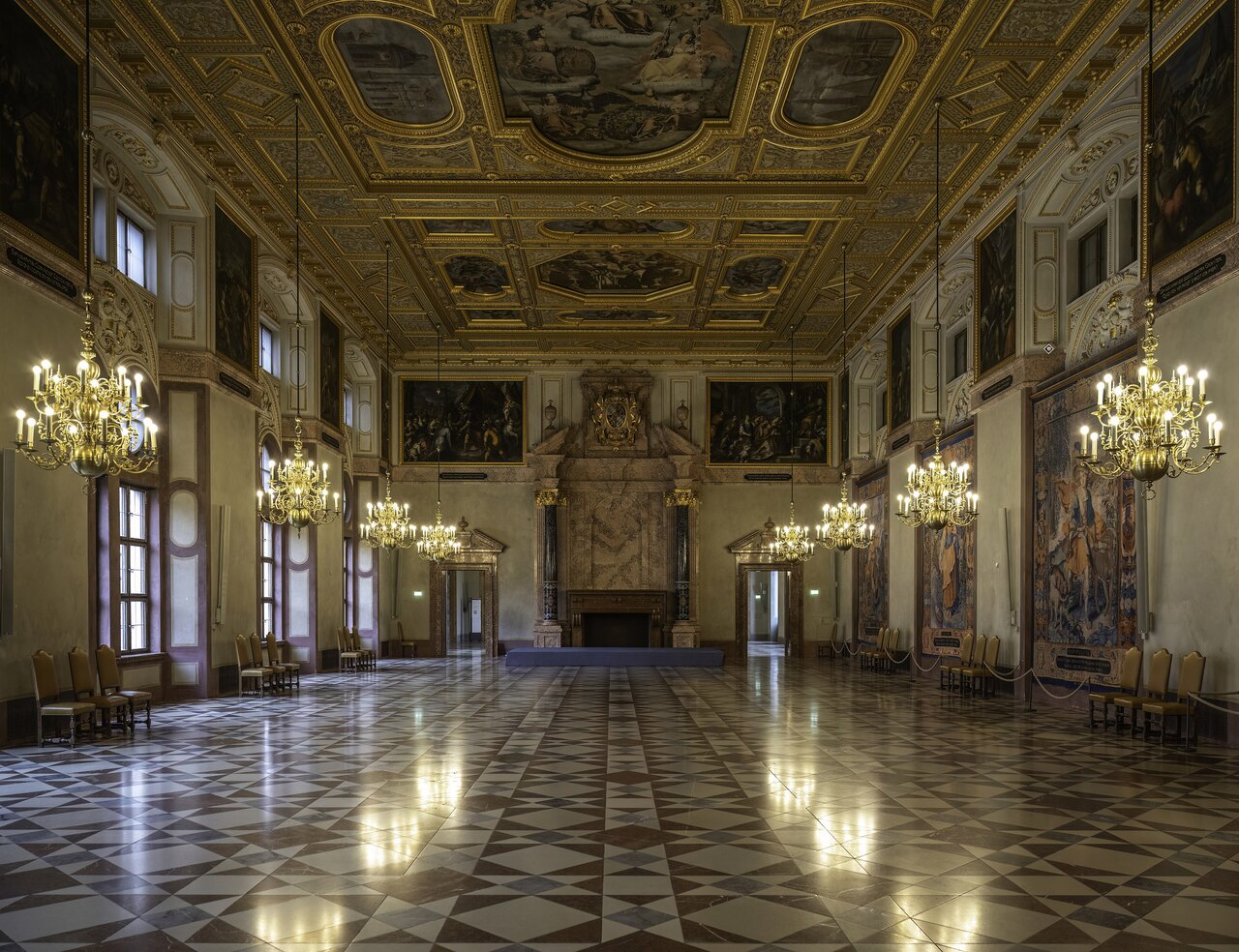
Altstadt
This is the core of Munich, defined by its medieval layout and dense concentration of Gothic and Baroque architecture. It is entirely walkable, connecting the sprawling Marienplatz to the Residenz palace and the Viktualienmarkt food stalls. Streets like Kaufingerstraße are bustling commercial hubs, while the quieter side alleys near the Hofbräuhaus offer a classic, albeit tourist-heavy, Bavarian atmosphere.
Glockenbachviertel
This area exudes a lively, progressive energy. You are within a short walk of the Isar riverbanks, which serve as the city’s primary outdoor social space in summer. The district is centered around Gärtnerplatz, a beautiful square surrounded by bars and small theaters. It feels less like a tourist destination and more like the beating heart of Munich’s modern social scene.
Maxvorstadt
As home to both the Ludwig Maximilian University and the Pinakothek museums, the atmosphere here is intellectually charged and bustling. You can easily walk to the Königsplatz and the massive neoclassical art galleries. The area is packed with reasonably priced eateries catering to students, creating a balanced environment that feels authentic, sophisticated, and culturally rich throughout the day and evening.
Au-Haidhausen
This area features beautifully preserved historic residential buildings and narrow, tree-lined streets. It feels significantly more residential than the center, centered around the French Quarter. Walking through the quiet squares like Pariser Platz is a stark contrast to the city bustle. The proximity to the Gasteig cultural center and the nearby Isar river makes it an ideal spot for low-key exploration.
Sendling
Sendling offers a grittier, more utilitarian feel compared to the polished center. It is a working-class neighborhood that feels lived-in rather than curated. Walking here means exploring local markets and smaller parks like the Flaucher at the Isar. It is a practical base, allowing you to reach Marienplatz in under ten minutes by train while keeping your nightly accommodation costs firmly under control.
Rent a car in Munich
Compare rental cars from local and international companies, with free cancellation on most bookings.
Compare car rentals in MunichOne thing to think about
Avoid booking accommodation directly next to the Hauptbahnhof. While convenient for transit, the immediate surrounding streets suffer from significant noise, heavy foot traffic, and a cluttered, impersonal atmosphere that lacks the charm found just a few blocks deeper into the residential districts.
Other places to stay in Germany: lastminute.com · Megabon
Once you have a bed
The things that sell out first in Munich are the small-group tours and the skip-the-line tickets.
Top tours & activities in Munich
Common questions
How do I get around Munich most effectively?
The U-Bahn and S-Bahn network is exceptional, covering almost every corner of the city. For short distances, Munich is a very bike-friendly city with wide paths. Avoid renting a car at all costs; parking is expensive and scarce, and the public transit system is far more efficient for navigating the dense historic core and outer districts alike.
When is the best time to visit to avoid crowds?
Outside of Oktoberfest in late September and early October, Munich is manageable. If you want to avoid the peak tourist influx, visit during the shoulder months of May or October. Winter is cold but beautiful, especially during the December Christmas markets, though popular areas in the Altstadt will be crowded with both locals and international visitors.
Is it necessary to know German to get around?
While Munich is highly international and most hospitality staff speak fluent English, learning basic German greetings goes a long way. In local restaurants or markets outside the main tourist paths, you might encounter older staff who appreciate a polite effort. However, menus and transit signage are almost always provided in English for international visitors.
Hotel links go to Booking.com. If you book through them TonyPlan earns a small commission — the price you pay is exactly the same.