Tokyo

Tokyo: pianifica il tuo viaggio
con l'AI

Ottieni un itinerario personalizzato completo in pochi secondi. Hotel, voli, attività e gemme nascoste — tutto pianificato da Tony AI.

Pianifica il mio viaggio: Tokyo →

Perché visitare Tokyo?

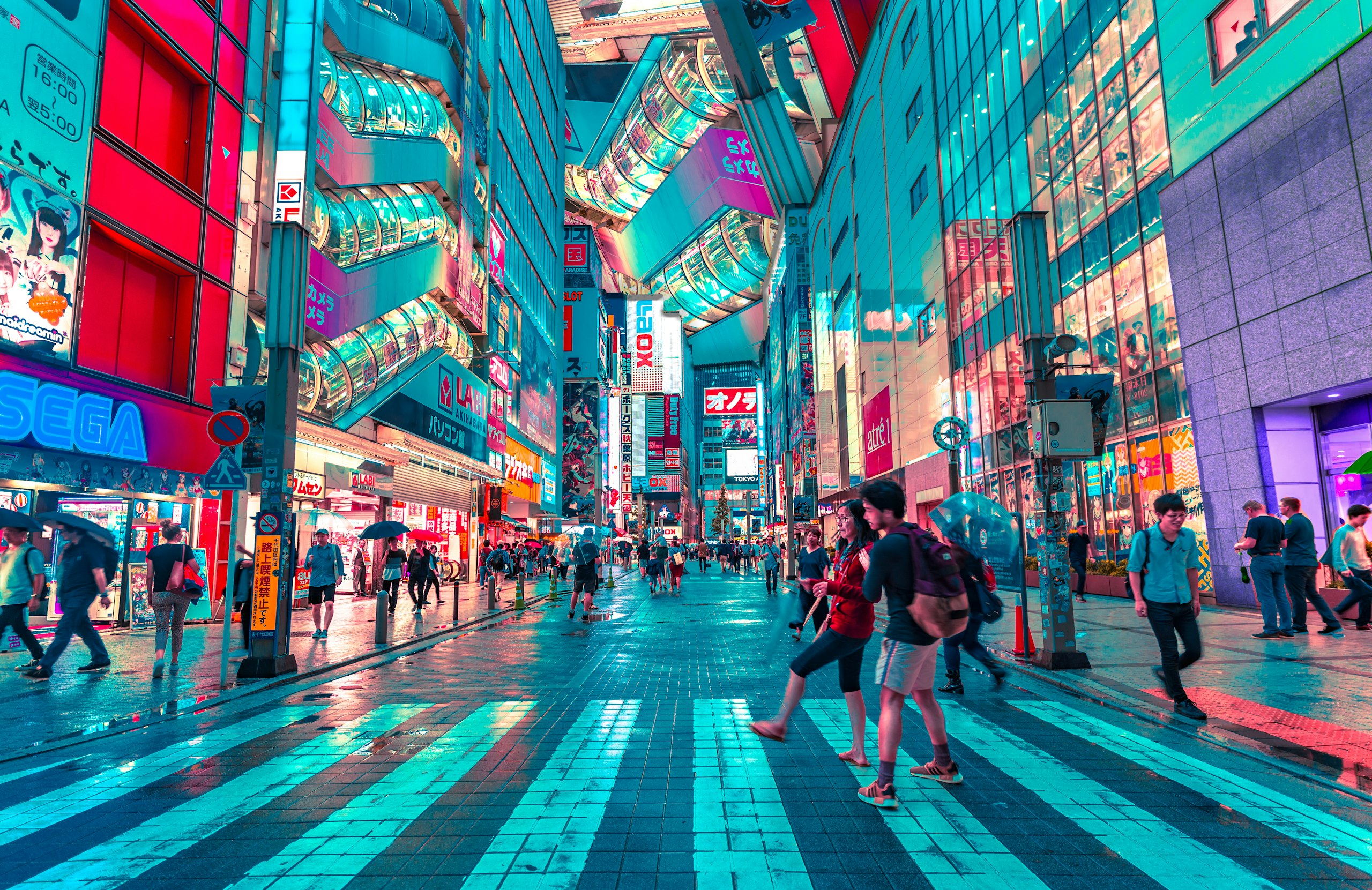
Tokyo is a mesmerising megacity where neon-lit futurism and quiet tradition coexist block by block. Scramble across the famous Shibuya crossing, shop the youthful fashion of Harajuku, and gaze over an ocean of lights from a Shinjuku skyscraper. Then step into serenity at the Meiji Shrine, the temples of Asakusa, and the tranquil gardens hidden between towers. Tokyo is a paradise for food lovers, from Michelin-starred sushi and smoky yakitori alleys to conveyor-belt ramen and the food halls beneath department stores. Explore the electronics wonderland of Akihabara, the elegant boutiques of Ginza, and the trend-setting cafes of Daikanyama. The city is astonishingly clean, safe and efficient, with a train system that whisks you anywhere in minutes. Cherry blossoms in spring and golden ginkgo in autumn transform its parks. Day trips to Mount Fuji, Nikko and Kamakura sit within easy reach. Tony, our AI travel planner, weaves neighbourhoods, food streets, shrines and shopping into one seamless itinerary tuned to your curiosity. Tell Tony whether you crave cuisine, culture, nightlife or shopping, and receive a Tokyo journey balancing dazzling icons with hidden alley bars and local gems, matched to your pace, budget and season.

Luoghi & natura

Meiji Shrine's forest, Shinjuku Gyoen gardens and a glittering skyline crowned by distant Fuji.

Cucina locale

Sushi, ramen, yakitori, tempura and delicate wagashi sweets from world-class kitchens and alleys.

Periodo migliore

Late March to April for blossoms and October to November for crisp autumn colour.

Pianifica il tuo viaggio con Tony AI: Tokyo

Tony AI crea itinerari giorno per giorno personalizzati in base a budget, stile di viaggio e interessi. Basta ore di ricerca: il tuo piano perfetto in pochi secondi: Tokyo.

Prenota il tuo viaggio: Tokyo

Tutto per il tuo viaggio: Tokyo

Prenota voli, soggiorni, tour e altro — tutto in un unico posto

Altre opzioni: Kiwi.com · Oojo · seats.aero · Arangrant · HopeGoo · QEEQ · VIP Cars · GetTransfer · ViaToVia · Saily · Yesim · GigSky · Klook · EF Ultimate Break · EF Adventures · AirHelp Plus · CruiseDirect

Esperienze popolari a Tokyo

Ciò che i viaggiatori prenotano di più qui. Paghi lo stesso prezzo della prenotazione diretta.

Migliori tour e attività — Tokyo

Noleggia un'auto a Tokyo

Confronta le auto a noleggio di compagnie locali e internazionali, con cancellazione gratuita per la maggior parte delle prenotazioni.

Confronta noleggi auto a Tokyo
Inizia a pianificare con Tony →

Quando andare a Tokyo

Mesi migliori (Tokyo): marzo, aprile, settembre, ottobre e novembre. Massime da 16°C a 28°C, affollamento in alta stagione: molto, e una settimana qui: prezzi medi.

gen
9°
min -1°
5 giorni di pioggia
feb
11°
min 1°
6 giorni di pioggia
mar
16°
min 7°
12 giorni di pioggia
apr
19°
min 10°
10 giorni di pioggia
mag
23°
min 15°
15 giorni di pioggia
giu
27°
min 19°
16 giorni di pioggia
lug
31°
min 24°
16 giorni di pioggia
ago
32°
min 24°
16 giorni di pioggia
set
28°
min 21°
14 giorni di pioggia
ott
22°
min 13°
11 giorni di pioggia
nov
18°
min 9°
8 giorni di pioggia
dic
12°
min 2°
8 giorni di pioggia
Evidenziati = mesi miglioriNumero = massima media diurnaBarra = quanto piove nel mese

Temperature e giorni di pioggia misurati, non stimati: rianalisi ERA5 2021-2023, punto Tokyo. Fonte: Open-Meteo.

Pianificare Tokyo

Quando andare: TokyoMese per mese, misuratoDove dormire: TokyoQuale zona fa per teQuanti giorni servonoCosa sta in un soggiorno breve o lungo

Tokyo: consigli pratici

Come arrivare, come spostarsi e quanto costa una giornata: verificato dalla nostra redazione.

Dall'aeroporto

Tokyo is served by Narita International Airport (NRT) and Haneda Airport (HND). From Narita, express trains reach the city centre in about 60 to 90 minutes. From Haneda, which is closer, trains or monorails take roughly 20 to 30 minutes. Limousine buses and taxis are available from both locations, though travel times via road fluctuate significantly depending on traffic conditions. Train networks offer the most consistent transit times for reaching major metropolitan hubs.

Come spostarsi

The city possesses an extensive rail and subway network, making public transit the most efficient method of travel. Walking is common within dense districts. Ferries operate on the Sumida River for scenic transit. While taxis are plentiful, they are expensive for long distances. Car rentals are generally unnecessary and discouraged due to complex navigation, limited parking, and heavy urban congestion. Navigating via rail remains the standard for both residents and visitors.

Dove alloggiare

  • Shinjuku — Those seeking a neon-lit urban experience with endless shopping, dining, and vibrant nightlife options.
  • Asakusa — Travelers interested in traditional architecture, historical temples, and a more classic atmosphere.
  • Shibuya — Visitors wanting to experience the famous scramble crossing, youth culture, and modern retail hubs.
  • Ginza — People looking for an upscale environment featuring luxury department stores and refined dining experiences.

Guida completa: dove dormire (Tokyo) →

Quanto costa una giornata

Budget€70–120
Fascia media€130–220
Comfort€230+

A persona al giorno, voli esclusi. Un'indicazione di massima, non un preventivo.

Soldi e mance

The currency is the Japanese Yen (JPY). While digital payments and credit cards are increasingly accepted at major outlets, cash remains essential for smaller shops, older establishments, and ticket machines. Always carry some yen for convenience. Tipping is not part of Japanese culture; providing gratuities can cause confusion or be politely declined by staff.

Altre domande: Tokyo

How many days do you need in Tokyo?

Five days is the minimum required to see the primary highlights and experience the diverse character of various districts. If you intend to explore deeply or take excursions to nearby regions, one week is preferable. A longer stay allows for a more relaxed pace, helping you navigate the sheer scale of the metropolis without feeling rushed.

Tokyo: è sicuro per i turisti?

Tokyo is exceptionally safe by global standards. Violent crime is extremely rare, and even solo travelers usually feel secure walking in most areas at night. The main concerns for visitors are occasional petty theft in crowded hubs or minor natural disasters like earthquakes. Practicing standard travel caution and maintaining awareness of your surroundings is generally sufficient for a worry-free visit.

L’inglese è molto parlato? (Tokyo)

English proficiency varies significantly. You will find that staff at major hotels, large department stores, and tourist-focused transport hubs speak functional English. However, outside these areas, English is less common. Learning basic Japanese phrases or utilizing translation applications is highly recommended to assist with navigation, reading menus, or interacting with locals in residential or traditional parts of the city.

Si può bere l’acqua del rubinetto? (Tokyo)

Yes, the tap water in Tokyo is perfectly safe to drink. It meets strict national quality standards and is regularly tested to ensure its purity and safety. Most visitors find it tastes pleasant. You can safely fill reusable bottles from public fountains or hotel taps, which helps reduce waste while exploring the city throughout the day.

Quali sono le migliori gite in giornata? (Tokyo)

Popular day trips include the mountain town of Hakone for hot springs and views of Mount Fuji, or the historic shrines and temples of Nikko. Kamakura is excellent for coastal scenery and the Great Buddha statue. Each location is accessible by train within two hours, offering a scenic contrast to the dense urban environment of the capital.

Tokyo — domande frequenti

Qual è il periodo migliore per visitare Tokyo?

Mesi migliori (Tokyo): marzo, aprile, settembre, ottobre e novembre. Massime da 16°C a 28°C, affollamento in alta stagione: molto, e una settimana qui: prezzi medi.

Che tempo fa a Tokyo?

Mese più caldo: agosto, con massime intorno ai 32°C. Il più fresco: gennaio, circa 9°C di giorno e -1°C di notte. Il più piovoso: giugno, con circa 16 giorni di pioggia. Medie misurate, non stime.

Tokyo: per cosa è famoso?

Tokyo: famoso soprattutto per la vita di città, il cibo, la cultura, la storia e l'architettura. Ciò che attira i visitatori: Shibuya crossing, Meiji Shrine, Michelin sushi, cherry blossoms and ginkgo.

Tokyo: per chi è ideale?

Tokyo è particolarmente adatto a: chi viaggia da solo, coppie, chi ci va per la prima volta e fotografi. Si basa su ciò che c’è da fare, non su chi prenota di più.

Cosa si può prenotare in anticipo a Tokyo?

Le esperienze che si esauriscono per prime sono food tour, corsi di cucina, gite di un giorno, biglietti salta-fila, tour a piedi e tour serali. Puoi controllare disponibilità e prezzi sui nostri partner di prenotazione qui sotto: paghi lo stesso che prenotando direttamente.

Ho bisogno di un visto per il Giappone?

Dipende dal tuo passaporto e da quanto tempo resti, quindi non esiste una risposta unica. TonyPlan ha uno strumento per visti e requisiti d'ingresso: inserisci la tua nazionalità e ti dice cosa vale per te.

Ricevi la guida in PDF: Tokyo

Perché andarci, i mesi migliori con temperature reali misurate, in quale zona alloggiare e quanto costano i voli in questo momento: tutto in un unico file da leggere in aereo. Gratis.

Ti invieremo anche nuove guide e itinerari man mano che li pubblichiamo. Nessuna cadenza fissa, e puoi disiscriverti da qualsiasi email.

Stai pianificando Tokyo?

Periodo miglioreÈ caro?Con budget ridottoÈ sicuro?Quanti giorni

Confronta Tokyo con

BangkokKyotoOsakaSeoul

Strumenti gratuiti per il tuo viaggio: Tokyo

Calcola il budgetLista bagagliDurata del volo e jet lagConto alla rovescia per il viaggio
Tour gastronomici: Tokyo — cosa mangiare e confronto →

Raggiungere i luoghi vicini

Verso Hakone (treno)Verso Kanazawa (treno)Verso Takayama (treno)
Arrivi in aereo? Haneda Airport (HND) verso il centro →
Best option: train · about 15–20 km