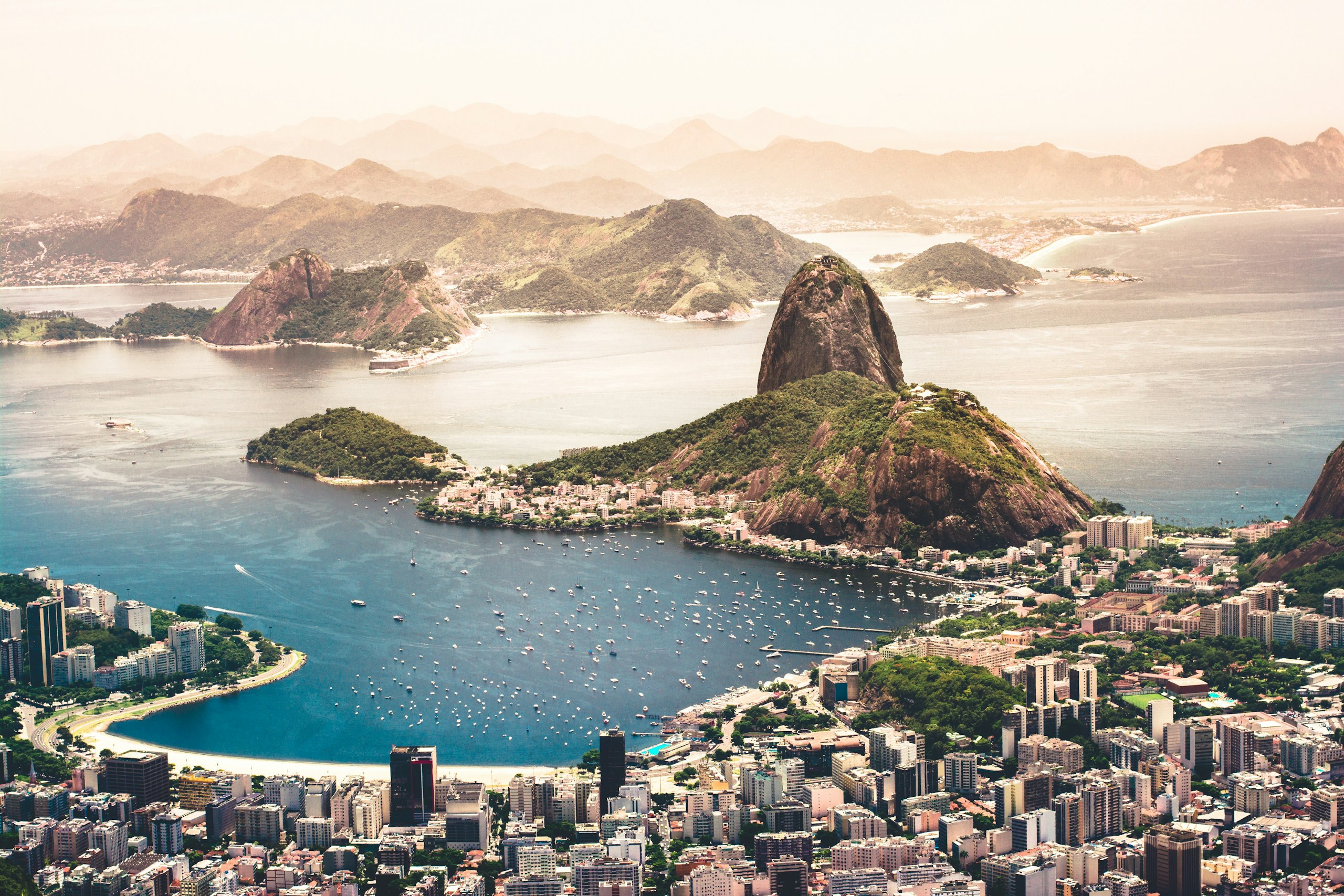
Brazil

Plan your Brazil
trip with AI

Get a complete personalized itinerary in seconds. Hotels, flights, activities and hidden gems — all planned by Tony AI.

Plan my Brazil trip →

Why visit Brazil?

Vast, vibrant and pulsing with energy, Brazil is a continent unto itself. Feel the samba beat in Rio de Janeiro beneath Christ the Redeemer, laze on the golden sands of Copacabana and Ipanema, and ride the cable car up Sugarloaf Mountain. Venture into the Amazon rainforest for wildlife and river cruises, or witness the thundering Iguazu Falls on the Argentine border. The Pantanal wetlands offer jaguar-spotting, while the colonial charm of Salvador and Paraty reveals Afro-Brazilian culture, music and cuisine. Party at the world-famous Carnival, sip caipirinhas at sunset, or dive the reefs of Fernando de Noronha. Brazil's scale means smart planning is essential, and that is Tony's specialty: our AI shapes a realistic route through beaches, jungle and cities based on your interests and time, avoiding exhausting backtracks. Tell Tony whether you crave nature, nightlife or history, and he builds a personalised Brazilian itinerary that balances the iconic and the hidden, timing internal flights and festivals so you experience the country's rhythm, wildlife and warmth without the logistical headaches of such a huge and diverse destination.

Beaches & nature

Golden Rio icons like Copacabana, plus the pristine reefs and coves of Fernando de Noronha.

Local cuisine

Feijoada black bean stew, grilled churrasco, cheesy pao de queijo and zesty caipirinhas.

Best time

December to March for beaches and Carnival; May to September for wildlife.

Plan your Brazil trip with Tony AI

Tony AI creates personalized day-by-day itineraries based on your budget, travel style and interests. No more hours of research — get your perfect Brazil plan in seconds.

Book your Brazil trip

Everything for your Brazil trip

Book flights, stays, tours and more — all in one place

More options: Kiwi.com · Oojo · seats.aero · Arangrant · QEEQ · VIP Cars · GetTransfer · ViaToVia · Saily · Yesim · GigSky · Klook · EF Ultimate Break · EF Adventures · AirHelp Plus · CruiseDirect

Popular experiences in Brazil

The things travellers book most here. You pay the same price as booking direct.

Top tours & activities in Brazil

Rent a car in Brazil

Compare rental cars from local and international companies, with free cancellation on most bookings.

Compare car rentals in Brazil
Start planning with Tony →

When to go to Brazil

The best months for Brazil are June, July, August and September. Highs then sit around 25°C, crowds are high at peak, and a week here is mid-priced.

Jan
29°
low 23°
15 wet days
Feb
29°
low 23°
17 wet days
Mar
30°
low 23°
6 wet days
Apr
27°
low 21°
16 wet days
May
25°
low 19°
9 wet days
Jun
24°
low 18°
11 wet days
Jul
25°
low 18°
6 wet days
Aug
25°
low 18°
11 wet days
Sep
26°
low 19°
9 wet days
Oct
26°
low 21°
17 wet days
Nov
27°
low 21°
13 wet days
Dec
28°
low 22°
16 wet days
Highlighted = best monthsNumber = average daytime highBar = how wet the month is

Temperatures and wet days are measured, not estimated: ERA5 reanalysis for 2021-2023, at Rio de Janeiro. Source: Open-Meteo.

Planning Brazil

Best time to visit BrazilMonth by month, measuredWhere to stay in BrazilWhich area suits youHow many days you needWhat fits in a short or long stay

Brazil: practical tips

Getting in, getting around and what a day costs — checked by our editors.

Arriving by air

Most international travellers arrive at Sao Paulo Guarulhos International Airport (GRU) or Rio de Janeiro Galeao International Airport (GIG). From these hubs, visitors typically connect to domestic flights operated by national carriers to reach regional destinations. Taxis, ride-hailing services, and pre-booked private transfers are standard for reaching city centres, while larger airports offer dedicated shuttle buses and rail links connecting to central urban transit networks for onward travel to local accommodation.

Getting around

Brazil has an extensive domestic aviation network connecting major cities. Long-distance buses are a common and reliable method for regional travel. Within large metropolitan areas, metro systems and buses are the primary transit options. Car hire is recommended for exploring coastal regions or national parks but is unnecessary in congested urban centres. Ferries provide essential transport for river travel in the Amazon region and for reaching island destinations off the coast.

Where to base yourself

  • Rio de Janeiro — Travellers seeking iconic beaches, coastal mountain vistas, and vibrant cultural landmarks in a legendary setting.
  • Salvador — History enthusiasts interested in colonial architecture, Afro-Brazilian heritage, and traditional music scenes along the coast.
  • The Amazon — Nature lovers and adventurous souls wanting to explore rainforest biodiversity and massive river ecosystems.
  • Iguazu Falls — Those prioritising world-class natural scenery, massive waterfall vistas, and unique hiking trails near the border.

Full guide to where to stay in Brazil →

What a day costs

Budget€40–70
Mid-range€80–140
Comfort€200+

Per person per day, excluding flights. A rough guide, not a quote.

Money and tipping

The currency is the Brazilian Real (BRL). Credit and debit cards are widely accepted in urban areas, though carrying small amounts of cash is useful for local markets and rural transport. Tipping is not strictly mandatory, but it is common practice to leave ten percent in restaurants where a service charge is not already included on the final bill.

More questions about Brazil

How many days do you need in Brazil?

Brazil is a vast country, so a minimum of two weeks is necessary to see the primary highlights without rushing. If you intend to visit diverse regions such as the Amazon, the northeast coast, and the southern cities, three to four weeks would be more appropriate to account for significant domestic travel time between these geographically distant locations.

Is Brazil safe for tourists?

Brazil has areas with high crime rates, requiring tourists to maintain vigilance. Stick to well-populated tourist zones, avoid displaying expensive jewellery or electronics, and use reputable transportation methods at night. Petty theft can occur in crowded places. Research specific neighbourhoods before visiting, consult local authorities regarding safety, and always follow common-sense precautions to ensure your visit remains trouble-free.

Is English widely spoken in Brazil?

English is not widely spoken outside of major tourist hotels, upscale retail areas, and international business hubs. While staff in high-end hospitality sectors usually speak English, you may encounter significant communication barriers in smaller towns or rural areas. Learning basic Portuguese phrases is highly recommended and will greatly assist your ability to navigate daily interactions and travel logistics.

Can you drink the tap water in Brazil?

It is generally not recommended to drink tap water in Brazil. While municipal supplies are treated, the distribution infrastructure can be unreliable. Most locals and experienced travellers choose to drink bottled or filtered water, which is readily available everywhere. Use bottled water for brushing your teeth if you have a sensitive stomach to avoid potential health issues during your trip.

Which places should first-time visitors see in Brazil?

First-time visitors should focus on the classic highlights. Start in Rio de Janeiro for the coastal scenery and Christ the Redeemer, then travel to the spectacular Iguazu Falls on the border. Add the historic colonial centre of Salvador to experience cultural depth, and consider a guided excursion into the Amazon rainforest to witness the unique flora and fauna of the world's largest tropical jungle.

Brazil — common questions

When is the best time to visit Brazil?

The best months for Brazil are June, July, August and September. Highs then sit around 25°C, crowds are high at peak, and a week here is mid-priced.

What is the weather like in Brazil?

March is the warmest month, with daytime highs around 30°C. June is the coolest, around 24°C by day and 18°C at night. February is the wettest, with about 17 wet days. Figures are measured averages, not estimates.

What is Brazil known for?

Brazil is best known for beaches, nature, city life, nightlife and wildlife. The things people come for: Christ the Redeemer, Iguazu Falls, Amazon rainforest, Carnival, Copacabana beach.

Who is Brazil best suited to?

Brazil works particularly well for couples, groups of friends, backpackers and first-time visitors. That is based on what there is to do there, not on who books it most.

What can you book in advance in Brazil?

The experiences that sell out first are food tours, cooking classes, day trips, skip-the-line tickets, walking tours and night tours. You can check availability and prices on our booking partners below — you pay the same as booking direct.

Do I need a visa for Brazil?

That depends on your passport and how long you are staying, so there is no single answer. TonyPlan has a visa and entry checker — put in your nationality and it tells you what applies to you.

Get the Brazil guide as a PDF

Why to go, the best months with real measured temperatures, which area to stay in, and what flights cost right now — in one file you can read on the plane. Free.

We will also send new guides and itineraries as we publish them. No fixed schedule, and you can unsubscribe from any email.

Planning Brazil?

Best time to visitIs it expensive?On a budgetIs it safe?How many days

Free tools for your Brazil trip

Budget calculatorPacking listFlight time & jet lagTrip countdown