How many days in Brazil? 9 days: Rio, Iguaçu Falls and Salvador
By Tony Panopoulos · travel-agency planner in Greece · Updated
Brazil is larger than the contiguous United States, so a first trip has to choose. Nine days works well for the classic triangle: four in Rio de Janeiro, two at Iguaçu Falls on the Argentine border, and three in Salvador da Bahia, the old colonial capital. Each hop is a domestic flight of 2-3 hours. The rule that matters: book internal flights early (LATAM, GOL and Azul) and keep valuables out of sight on the beaches and in the city centres.
Short answer
Seven days covers Rio and Iguaçu with one beach day. Nine adds Salvador, its music and Bahian food, which show a very different Brazil from Rio.
The 9-day plan, day by day
Day 1: Rio: Sugarloaf and Copacabana
Morning. Settle into Copacabana or Ipanema and walk the wave-patterned promenade of Avenida Atlântica, 4 km along the beach. Drink a coconut (about R$ 8-10) at a beach kiosk.
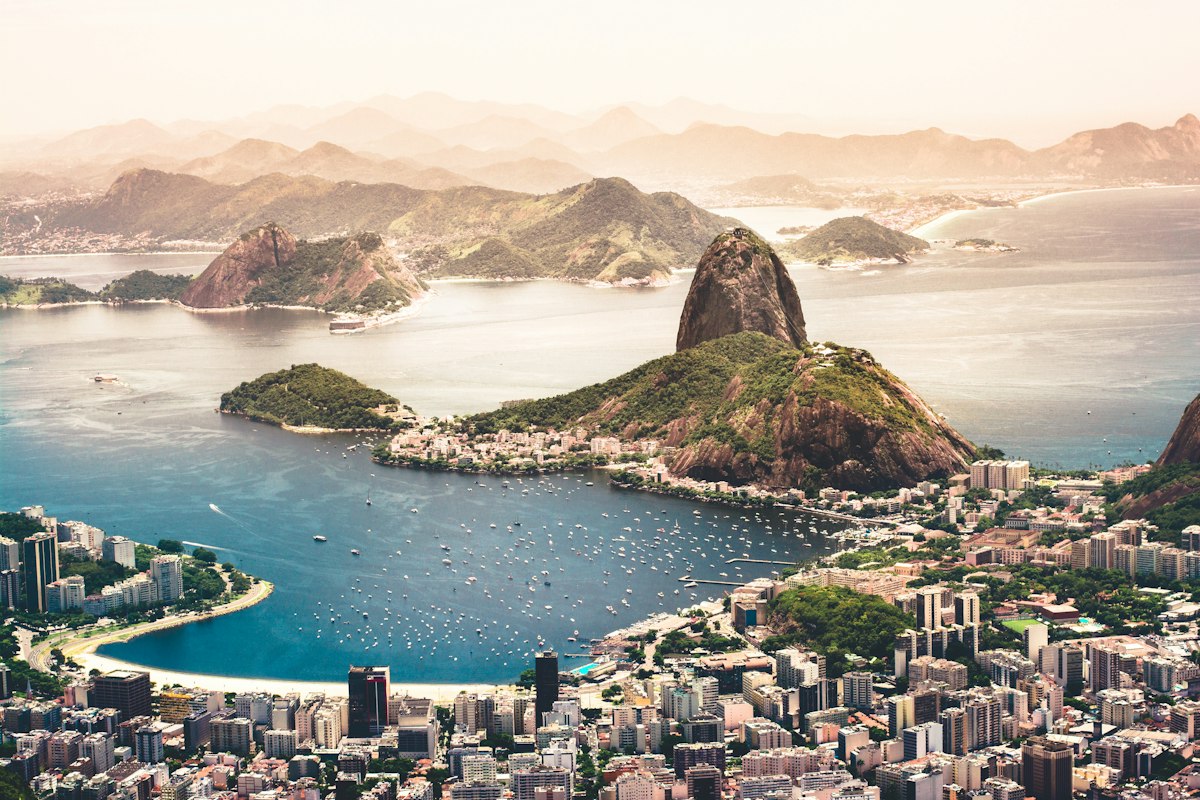
Afternoon. Take the two-stage cable car up Sugarloaf Mountain (Pão de Açúcar) from Praia Vermelha in Urca, about R$ 180-200; time it for the late afternoon so you see the bay in daylight and the city lights after sunset.
Evening. Drink chopp (draught beer) at the Bar Urca sea wall, then eat in Botafogo, where a meal costs R$ 70-120.
Take only a phone and a little cash to the beach; leave passports in the hotel safe.
Day 2: Rio: Christ the Redeemer, Santa Teresa and Lapa
Morning. Take the Corcovado rack train from Cosme Velho (about 20 minutes; roughly R$ 100-170 depending on season) to Christ the Redeemer, 710 metres above the city. Book the first trains around 8:00 before cloud and crowds build.
Afternoon. Ride the yellow tram (bondinho) or a taxi to Santa Teresa, the hilltop artists' quarter, then walk down the Selarón Steps, 215 steps covered in tiles from over 60 countries.
Evening. Go to Lapa, under the white Arcos da Lapa aqueduct, for samba at a bar such as Rio Scenarium; Friday nights are liveliest.
Use Uber or 99 at night in Lapa and Santa Teresa rather than walking between bars.
Day 3: Rio: Ipanema, gardens and the old centre
Morning. Visit the Jardim Botânico (about R$ 70-80 for foreigners), founded in 1808, with its avenue of imperial palms and toucans in the trees. It is 10 minutes by taxi from Ipanema.
Afternoon. Take the metro to Cinelândia and see the old centre: the Theatro Municipal, the Real Gabinete Português de Leitura reading room (free) and the Confeitaria Colombo, a 1894 café. Close by is the Museum of Tomorrow at Praça Mauá (about R$ 30).
Evening. Watch the sunset from Arpoador rock, where people applaud the sun going down, then dine in Leblon.
Many Rio museums close on Mondays; check before you go.
Day 4: Fly to Iguaçu: the Brazilian side
Morning. Fly from Rio (Santos Dumont or Galeão) to Foz do Iguaçu (about 2 hours). Leave your bags at the hotel; the airport is 15 minutes from the park.
Afternoon. Enter Iguaçu National Park (roughly R$ 100-110 for foreigners), take the park bus to the trailhead and walk the 1.2 km path to the walkway beside the Devil's Throat, where 275 falls drop up to 80 metres. The Brazilian side gives the panorama.
Evening. Eat at a churrascaria rodízio in town, grilled meat until you turn your card to red, about R$ 120-160.
Bring a cheap rain poncho; you will be soaked on the walkway.
Day 5: Iguaçu: the Argentine side
Morning. Cross the border to Puerto Iguazú (about 40 minutes with a taxi or tour, including passport control) for Iguazú National Park. Take the jungle train to Garganta del Diablo, a 1.1 km walkway over the river to the lip of the falls.
Afternoon. Walk the Upper and Lower Circuits; the lower one leads to the base of the Bossetti and San Martín falls. The Macuco Safari or Gran Aventura boat trips run under the falls for about US$ 60-80.
Evening. Return to Foz for dinner; the Itaipu dam tours can fill a spare morning.
Argentina's park entry is paid in pesos and costs much more than Brazil's; check the current price and carry cash or a card that works there.
Day 6: Fly to Salvador: Rio Vermelho
Morning. Fly from Foz do Iguaçu to Salvador, usually via São Paulo (about 4-5 hours in total). Salvador was Brazil's capital until 1763 and is the centre of Afro-Brazilian culture.
Afternoon. Check in in Barra and walk to the Farol da Barra, the lighthouse fort at the tip of the peninsula, with its small nautical museum.
Evening. Take a taxi to Rio Vermelho for acarajé, black-eyed pea fritters fried in palm oil and filled with shrimp, from Acarajé da Dinha in Largo de Santana, about R$ 15-20.
Ask for acarajé 'frio' (cold) if you want it without the hot pepper sauce.
Day 7: Salvador: the Pelourinho
Morning. Ride the Elevador Lacerda (a few centavos, 30 seconds) from the lower city to the Pelourinho, the UNESCO-listed old town of pastel houses and cobbled slopes. Visit the São Francisco Church and Convent, its interior covered in gold leaf, and blue-and-white azulejos (about R$ 10-15).
Afternoon. See the Afro-Brazilian Museum on Terreiro de Jesus and the Fundação Casa de Jorge Amado on the Largo do Pelourinho, then go down to the Mercado Modelo for crafts and capoeira by the bay.
Evening. On Tuesday evenings the Pelourinho has free concerts; at other times watch the drumming group Olodum rehearse, and try moqueca at a restaurant in the old town, R$ 120-180 for two.
Stick to the main streets of the Pelourinho after dark; the side streets leading down the hill are best avoided.
Day 8: Day trip: Praia do Forte
Morning. Take a bus or transfer north along the Linha Verde to Praia do Forte (about 1.5 hours). The Projeto TAMAR sea-turtle centre (about R$ 40) protects nesting turtles along the coast.
Afternoon. Swim in the natural reef pools at low tide, walk to the ruins of the 16th-century Castelo Garcia d'Ávila, and eat grilled fish under coconut palms.
Evening. Return to Salvador for a last night in Rio Vermelho, with live music at bars around Largo da Mariquita.
Check the tide tables: the reef pools are best at low tide.
Day 9: Salvador: Bonfim and departure
Morning. Take a taxi to the Igreja do Senhor do Bonfim, where pilgrims tie coloured ribbons on the railings for a wish. The Ribeira neighbourhood nearby is known for ice cream at Sorveteria da Ribeira, open since 1931.
Afternoon. Visit the Solar do Unhão modern art museum by the sea, then swim at Porto da Barra.
Evening. Fly home, usually connecting through São Paulo Guarulhos.
Allow 45-60 minutes from Barra to the airport.
Only have 7 days?
With 7 days, do the three Rio days and both Iguaçu days, then spend the last two on Rio beaches or at Paraty (about 4 hours by bus from Rio), a colonial port with islands.
Got extra days?
With 12-14 days, add the Amazon from Manaus (2-3 nights in a jungle lodge), the dunes and lagoons of Lençóis Maranhenses (best from May to September), or the Pantanal wetlands for jaguars.
Where to stay in Brazil
| Budget | Area | Why | Typical double/night |
|---|---|---|---|
| Budget | Botafogo (Rio) / Barra (Salvador) | Hostels and simple hotels near the metro or the beach. | R$ 250-400 |
| Mid-range | Copacabana / Ipanema (Rio) | Steps from the beach, safest base for first-timers, metro to the centre. | R$ 500-900 |
| Mid-range | Foz do Iguaçu town | Restaurants and buses to both parks. | R$ 350-650 |
| Comfort | Ipanema / Leblon, or the hotel inside Iguaçu park | Beachfront hotels, or wake up beside the falls. | R$ 1,200-3,500 |
Getting around
Between cities, fly: LATAM, GOL and Azul connect Rio, Foz do Iguaçu and Salvador, with one-way fares from about R$ 400-900 booked ahead. In Rio, the metro (about R$ 7-8 a ride) links Ipanema, Copacabana, Botafogo and the centre; use Uber or 99 for the rest (most rides R$ 20-50). In Foz do Iguaçu, bus 120 runs from town to the airport and the park. In hilly Salvador, Uber is easiest.
What to eat in Brazil
Lunch is the cheap meal: a prato feito (rice, beans, meat, salad, farofa) costs R$ 30-45, or pay by weight at a por quilo buffet. Feijoada, the black bean and pork stew, is served on Wednesdays and Saturdays. In Bahia, try moqueca (fish stew with coconut milk and palm oil), acarajé and cocada. Street snacks are pão de queijo (cheese bread) and pastel. Drink caipirinhas, fresh juices (açaí, cajú, maracujá) and ice-cold beer.
Best time to visit
April to June and August to October: fewer crowds, lower prices and highs of 24-28°C in Rio. Summer (December to March) is hot, humid and expensive, with Carnival in February or early March. Iguaçu's falls are fullest in the rainy summer; Salvador's heaviest rain falls from April to July.
Month-by-month weather for Brazil →
What a day costs
| Budget | Mid-range | Comfort | |
|---|---|---|---|
| Bed (per person, sharing a double) | R$ 150 | R$ 350 | R$ 900 |
| Food & drink | R$ 100 | R$ 200 | R$ 400 |
| Sights & tickets | R$ 60 | R$ 130 | R$ 300 |
| Local transport | R$ 30 | R$ 80 | R$ 200 |
| Total per person, per day | about R$ 340 | about R$ 760 | about R$ 1,800 |
Approximate 2026 prices in Brazilian reais, not including domestic flights; there is no national tourist tax, but restaurants add a 10% service charge to the bill.
Before you go
Common questions
Do I need a visa for Brazil?
Since April 2025, citizens of the US, Canada and Australia need an electronic visa (e-visa), applied for online before travel. EU and UK citizens can visit visa-free for up to 90 days. Rules change, so check the official Brazilian consular website and apply at least a few weeks before your trip.
Is Rio de Janeiro safe?
Use care rather than fear. Stay in Copacabana, Ipanema, Leblon or Botafogo, keep your phone out of sight, use ride apps at night, and visit favelas only with a reputable guided tour. Most visitor problems are phone snatching and pickpocketing.
Which side of Iguaçu Falls is better?
Both. The Brazilian side gives the wide panorama in about 2-3 hours, while the Argentine side has more trails and puts you right above the Devil's Throat; it needs a full day. With only one day, choose Argentina, but bring your passport for both.
Is 9 days enough for Brazil?
For a first trip, yes, if you keep to Rio, Iguaçu and Salvador and fly between them. Do not add the Amazon or the Pantanal as well; each needs at least three extra days, including travel, and both are expensive to reach.
How this guide was made
Compiled by TonyPlan from official tourism, transport and attraction sources and on-the-ground travel knowledge. Prices are approximate for 2026 and change with season; anything we could not confirm is marked as approximate.
Some links on this page are partner links. If you book through them TonyPlan may earn a commission; the price you pay is the same. How we make money.