Home › Ecuador › How many days
How many days in Ecuador? 8 days down the Avenue of the Volcanoes
By Tony Panopoulos · travel-agency planner in Greece · Updated
Ecuador is compact: the Andes run straight down the middle, and the Pan-American Highway links most of the sights in a line. Give the mainland eight days and travel north to south: Quito and the Otavalo market, the volcano belt of Cotopaxi and Quilotoa, the waterfall town of Baños, then a flight or long bus to colonial Cuenca. Quito sits at 2,850 metres, so take the first day slowly. The currency is the US dollar, which makes budgeting simple.
Short answer
Six days covers Quito, Otavalo, Cotopaxi and Baños. Eight days add the Quilotoa crater and Cuenca. The Galápagos need a separate 4-7 days on top.
The 8-day plan, day by day
Day 1: Quito's colonial centre
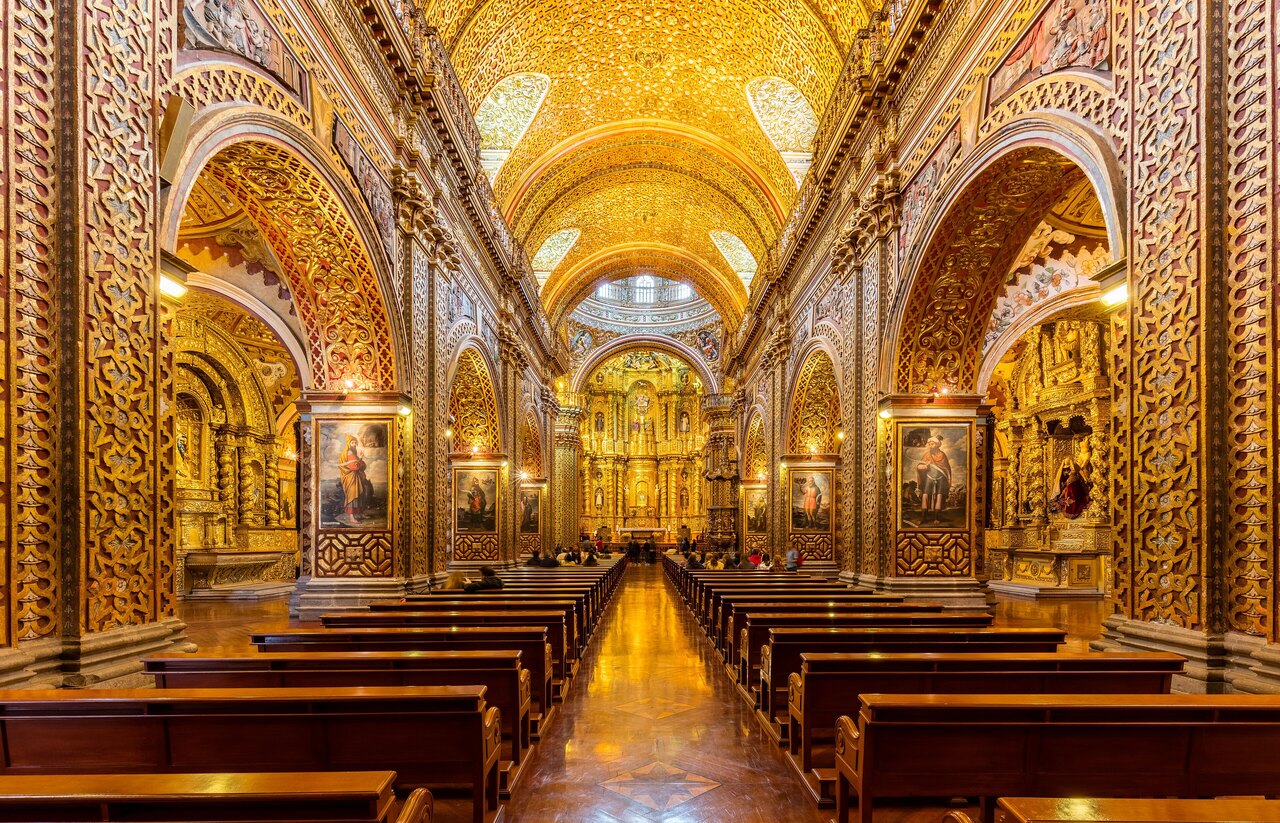
Morning. Begin in the Centro Histórico, one of the first two places on the UNESCO World Heritage list in 1978. Walk from Plaza Grande with the Presidential Palace to La Compañía, a Jesuit church covered in gold leaf (about $6), then to the San Francisco monastery on its cobbled square, 5 minutes away.
Afternoon. Climb the towers of the Basílica del Voto Nacional, a neo-Gothic church with turtles and iguanas as gargoyles (about $4), for views over the old town. Walk down La Ronda, a restored lane of craft shops and cafés.
Evening. Take a taxi ($3-5) up to El Panecillo hill and its winged Virgin statue for the city lights, then dinner in La Ronda or the old town, where a main costs $8-15. Do not walk up the hill.
Altitude hits on day one. Drink water, skip alcohol the first night and try coca tea (mate de coca), sold in most cafés.
Day 2: TelefériQo and the Middle of the World
Morning. Ride the TelefériQo cable car (about $9) from the western edge of the city to about 3,950 metres on the flank of Pichincha volcano. On a clear morning you see Cotopaxi and Cayambe; fit walkers can hike on towards Rucu Pichincha (about 3 hours return).
Afternoon. Take a taxi or Uber (about 45 minutes, $15-20) north to Mitad del Mundo, the equator monument. Next door, the small Intiñan Museum (about $5) shows the real equator line, about 240 metres away, with water and egg demonstrations.
Evening. Back in the La Floresta or La Mariscal neighbourhoods for dinner. Try locro de papa, potato soup with cheese and avocado, about $4-6.
Go up the TelefériQo before 10:00. Clouds usually cover the volcanoes by midday.
Day 3: Otavalo market and Cuicocha lake
Morning. Take a bus from Quito's Carcelén terminal to Otavalo (about 2 hours, roughly $3). The Plaza de los Ponchos craft market runs every day but is largest on Saturdays, when it spreads through the town; the animal market on the edge of town starts at dawn on Saturday.
Afternoon. Take a taxi 25 minutes ($10-12) to Laguna Cuicocha, a crater lake inside an extinct volcano at about 3,070 metres. The rim trail is 14 km and takes 4-5 hours; a shorter section to the viewpoints takes 1 hour.
Evening. Stay overnight in Otavalo or a hacienda nearby, or return to Quito by bus. Hacienda dinners with a fireplace cost about $20-30.
Bargaining is expected in the market, but politely. Start at about two thirds of the asking price for textiles.
Day 4: Cotopaxi National Park
Morning. Drive about 1h30 south of Quito to Cotopaxi National Park (park entry is free). Cotopaxi, at 5,897 metres, is one of the highest active volcanoes in the world. Walk around Laguna Limpiopungo at 3,800 metres, where wild horses graze.
Afternoon. Drive up to the car park at about 4,500 metres and hike to the José Rivas refuge (about 4,860 metres, around 45-60 minutes up through volcanic sand). Mountain biking down from the car park is a popular add-on.
Evening. Sleep in a lodge near the park, such as around Machachi or Latacunga, from about $40-120 a room, with views of the volcano at dawn.
Access to the upper park closes when the volcano is active. Check the park status the day before; most tours run with a licensed guide.
Day 5: Quilotoa crater lake
Morning. From Latacunga, take a bus or private transfer to Quilotoa (about 2 hours). The green crater lake sits 3,900 metres up; the village charges a small entry fee of about $2.
Afternoon. Walk down to the shore (30-40 minutes) and either climb back up (about 1 hour, or hire a mule for about $10) or follow the crater rim. Strong hikers can start the Quilotoa Loop, a 3-day village-to-village trail through Chugchilán and Isinliví.
Evening. Overnight in Quilotoa or Chugchilán in a simple hostel with dinner and breakfast included for about $25-40, or continue to Latacunga.
Nights at Quilotoa drop close to 0°C. Rooms have wood stoves; bring a warm layer.
Day 6: Baños and the waterfall road
Morning. Travel to Baños (about 2-3 hours by bus via Ambato, roughly $4), a small town at 1,820 metres beneath Tungurahua volcano. Rent a bike ($7-10 a day) and ride the Ruta de las Cascadas downhill towards Puyo.
Afternoon. Stop at the Pailón del Diablo, a thundering waterfall 18 km from town (about $2 entry), where a path takes you behind the spray. Load the bike on a pickup truck back to Baños ($2-3).
Evening. Soak in the thermal pools at Las Piscinas de la Virgen below a waterfall (about $3), then eat in town. Baños is known for melcocha, taffy pulled by hand in shop doorways.
The Casa del Árbol tree-house swing above Baños costs about $1-2 and is best on a clear morning, when Tungurahua is visible.
Day 7: To Cuenca
Morning. Travel to Cuenca: either back to Quito for a 1-hour flight, or take the bus via Riobamba (about 7-8 hours from Baños, roughly $12-15). The train route over the Nariz del Diablo switchback from Alausí runs only as a short tourist ride; check current timetables.
Afternoon. In Cuenca, a UNESCO-listed colonial city at 2,560 metres, walk around Parque Calderón with the blue domes of the New Cathedral, and the flower market at Plaza de las Flores.
Evening. Walk the paths along the Tomebamba River below the old houses, then eat on Calle Larga, where a set dinner costs $8-15.
Cuenca is the home of the 'Panama' hat, which is woven in Ecuador. The Homero Ortega factory near the river gives free tours.
Day 8: El Cajas National Park
Morning. Take a bus or taxi (about 45 minutes) to El Cajas National Park, a high moorland of some 270 lakes between 3,100 and 4,450 metres. Register at the Laguna Toreadora visitor centre (free) and walk the lake loop, about 2-3 hours.
Afternoon. Back in Cuenca, visit the Museo Pumapungo (free), with Inca ruins in its gardens and a collection on the peoples of Ecuador, including the Shuar of the Amazon.
Evening. Final dinner in the old town. Try hornado, slow-roasted pork, or cuy (guinea pig), a highland festive dish, about $15-25.
The weather in El Cajas changes fast. Bring rain gear and stay on marked paths; fog can arrive in minutes.
Only have 6 days?
With 6 days, do Quito, Otavalo, Cotopaxi and Baños (Days 1-4 and 6), skipping Quilotoa and Cuenca. Return from Baños to Quito in about 3.5 hours by bus.
Got extra days?
Add 4-7 days for the Galápagos: flights from Quito or Guayaquil to Baltra or San Cristóbal take about 2-3 hours, and visitors pay a $200 park fee plus a transit card. Or add 3-4 days in the Amazon from Coca or Puyo, or the Pacific beach town of Montañita.
Where to stay in Ecuador
| Budget | Area | Why | Typical double/night |
|---|---|---|---|
| Budget | Quito La Floresta / Baños hostels | Hostels and family-run guesthouses with breakfast, many with tour desks. | $25-45 |
| Mid-range | Quito Centro Histórico | Restored colonial mansions a short walk from the main churches. | $70-130 |
| Mid-range | Highland haciendas near Cotopaxi | Old farm estates with fireplaces, horses and volcano views. | $90-180 |
| Comfort | Boutique hotels in Quito and Cuenca | Courtyard hotels in heritage buildings, with good restaurants. | $180-400 |
Getting around
Long-distance buses are cheap, about $1-1.50 per hour of travel, and run often along the Pan-American Highway; use the main terminals (Quitumbe for the south, Carcelén for the north of Quito). Flights between Quito, Cuenca and Guayaquil take about 1 hour from $60-120. In Quito, use Uber or metered yellow taxis ($3-8 in town) or the north-south metro line. The airport is about 45 minutes to 1 hour from the centre, about $25-30 by taxi.
What to eat in Ecuador
Highland food is hearty and cheap. An almuerzo, the set lunch of soup, main and juice, costs $3-5 in local cafés. Try locro de papa, llapingachos (potato patties with egg and chorizo), fritada (fried pork), and hornado in the markets. On the coast and in Quito, ceviche of shrimp comes with popcorn and toasted corn. Ecuador grows some of the world's finest cacao, so buy local bean-to-bar chocolate. A smart Quito dinner runs $20-40.
Best time to visit
The Andes can be visited all year: daytime highs are around 18-22°C and nights 5-10°C in Quito. June to September is the drier season in the highlands, with clearer volcano views. October to May brings afternoon showers. In the Galápagos, December to May is warmer with calmer seas. Otavalo holds the Inti Raymi solstice festival in late June.
Month-by-month weather for Ecuador →
What a day costs
| Budget | Mid-range | Comfort | |
|---|---|---|---|
| Bed (per person, sharing a double) | $15 | $45 | $120 |
| Food & drink | $12 | $25 | $50 |
| Sights & tickets | $8 | $25 | $60 |
| Local transport | $5 | $15 | $40 |
| Total per person, per day | about $40 | about $110 | about $270 |
Approximate 2026 prices in US dollars for mainland Ecuador; Galápagos trips cost far more, with a $200 national park entry fee per foreign adult.
Before you go
Common questions
Will I get altitude sickness in Quito?
Many visitors get breathlessness, headaches or poor sleep for a day or two at 2,850 metres. Keep the first day easy, drink plenty of water and avoid alcohol. Go higher gradually: Quito first, then Cotopaxi and Quilotoa at around 4,000 metres. Ask a doctor about medication if you are worried.
Is Ecuador safe for travellers?
Crime rose in Ecuador from 2023, mainly in Guayaquil and coastal provinces. The highland route in this plan is visited by many travellers, but check your government's current advice before booking. In Quito, use Uber or registered taxis at night, keep phones out of sight on buses, and avoid walking up El Panecillo.
Is the Galápagos worth it on a short trip?
Yes, if you can add at least four days. You can island-hop from Santa Cruz on day trips by speedboat, or join a liveaboard cruise, which reaches more remote islands. Budget roughly $200 park fee, $20 transit card, flights of $300-500 and day tours of $100-250 each. Book cruises months ahead.
Do I need cash in Ecuador?
Yes. Ecuador uses the US dollar, and cards are accepted in hotels and city restaurants, but buses, markets, small cafés and taxis want cash. Bring small notes: $50 and $100 bills are often refused. ATMs in banks are the safest place to withdraw.
How this guide was made
Compiled by TonyPlan from official tourism, transport and attraction sources and on-the-ground travel knowledge. Prices are approximate for 2026 and change with season; anything we could not confirm is marked as approximate.
Some links on this page are partner links. If you book through them TonyPlan may earn a commission; the price you pay is the same. How we make money.