Home › Ecuador › Where to stay
Where to stay in Ecuador
Ecuador is geographically defined by the massive Andean spine separating the humid Amazon basin from the Pacific coastline. Distances are deceptive due to winding mountain roads and significant altitude changes. Most travelers divide their time between Quito’s colonial highlands, the adventure-centric cloud forests of Mindo, and the volcanic Galápagos archipelago. Strategic lodging choices depend entirely on whether you prioritize easy transit hubs or quiet proximity to primary outdoor trailheads.
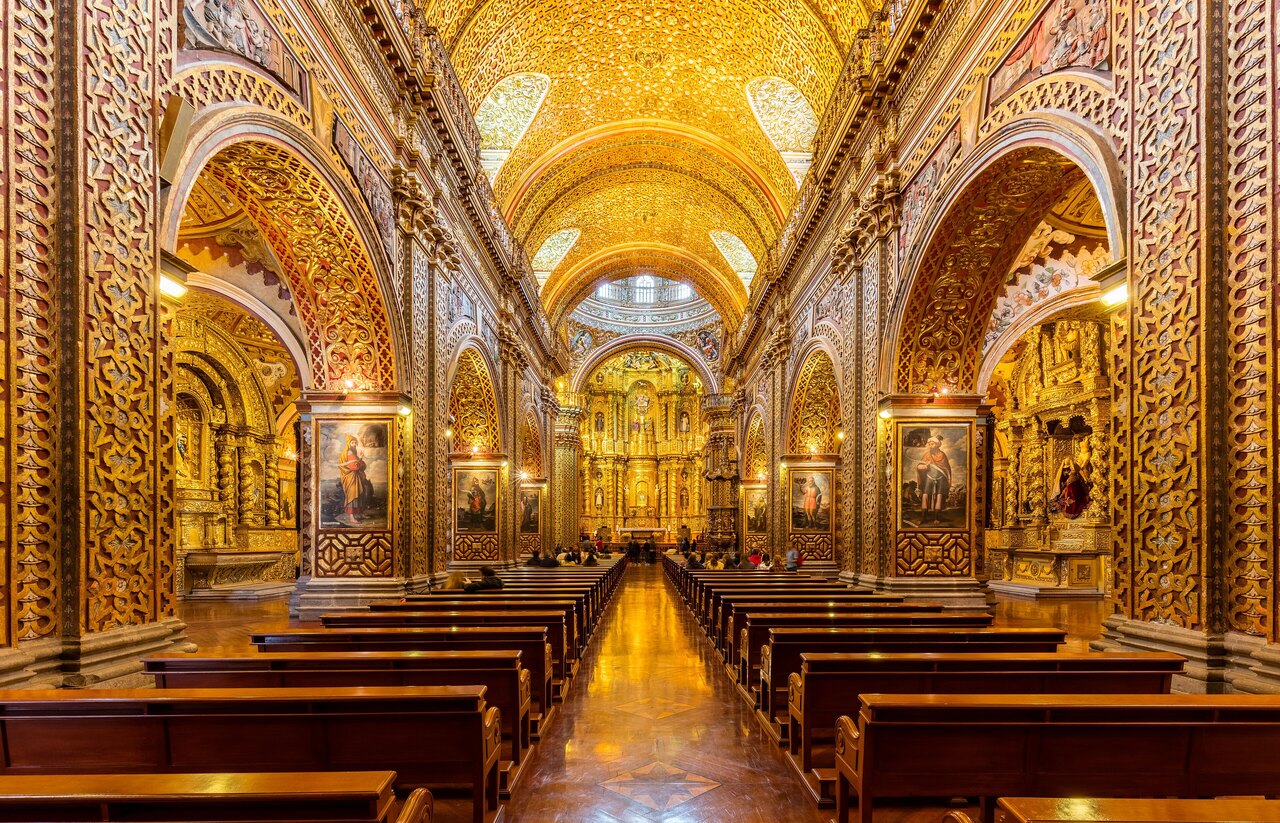
La Floresta, Quito
This neighborhood feels like a residential garden party. It is incredibly walkable, filled with converted houses serving artisanal coffee, independent cinemas, and murals. You are minutes away from the vibrant street food on Calle Valladolid and the craft galleries near Plaza La Floresta. It avoids the intense tourist kitsch, offering a genuine glimpse into Quito’s contemporary urban life while maintaining easy transit access to the old town.
Mindo Valley
Mindo is lush, humid, and constantly humming with insect life. The town center is entirely walkable, consisting of a few rustic streets lined with chocolate workshops and cafes. Most activity happens along the forested trails surrounding the town. Walking from the main plaza to the Nambillo Waterfall Sanctuary takes you through secondary cloud forest, offering immediate, car-free access to canopy ziplines and butterfly vivariums.
Puerto Ayora, Santa Cruz Island
This is the bustling, salty heart of the Galápagos. The main pedestrian thoroughfare, Avenida Charles Darwin, is packed with dive shops, fish markets, and open-air restaurants. You can walk from your hotel to the Charles Darwin Research Station in fifteen minutes. While noisy with tourism, it is the most practical base for catching morning water taxis and booking last-minute island-hopping tours to neighboring uninhabited zones.
Rent a car in Ecuador
Compare rental cars from local and international companies, with free cancellation on most bookings.
Compare car rentals in EcuadorOne thing to think about
Avoid staying in the immediate vicinity of Quito’s Terminal Terrestre Quitumbe unless you have a 5:00 AM bus connection. It is located on the extreme southern periphery of the city, requiring long, frustrating transit times to reach any cultural sights, restaurants, or neighborhoods worth visiting.
Once you have a bed
The things that sell out first in Ecuador are the small-group tours and the skip-the-line tickets.
Top tours & activities in Ecuador
Common questions
Do I need to worry about altitude sickness in the Andes?
Yes, altitude sickness is common for arrivals in Quito, which sits at 2,850 meters. Prioritize staying in a quiet neighborhood like La Floresta for your first two nights to acclimatize. Drink plenty of water, avoid heavy physical exertion, and consider local coca tea, which is widely available and helps most travelers manage initial headaches or fatigue.
Is it better to book tours in advance or once I arrive?
For major excursions like Galápagos boat trips or deep-jungle Amazon treks, book well in advance to secure specific permits and reputable operators. However, for regional day trips, hiking guides in Mindo, or city tours, waiting until you arrive allows for better price negotiation and the flexibility to adjust plans based on the unpredictable mountain weather.
How should I handle domestic travel between regions?
Domestic flights between Quito, Guayaquil, and the Galápagos are reliable and save significant time. For mainland travel, buses are ubiquitous but slow due to mountainous terrain. If you are traveling between mountain towns like Otavalo or Baños, hire private drivers for short distances; it is surprisingly affordable, much faster than public bus routes, and allows you to stop at viewpoints.
Hotel links go to Booking.com. If you book through them TonyPlan earns a small commission — the price you pay is exactly the same.