How many days in Nara? 3 days, from the Great Buddha to Horyu-ji
By Tony Panopoulos · travel-agency planner in Greece · Updated
Most visitors see Nara as a half-day trip from Kyoto: the deer, the Great Buddha and back on the train by 15:00. Give it three days and stay overnight, and you have the park almost to yourself at 7:00 and after 17:00. Nara was Japan's capital from 710 to 784, and outside the central park are the oldest wooden buildings in the world at Horyu-ji, which most day-trippers never reach.
Short answer
One day covers Nara Park, Todai-ji, Kasuga Taisha and Kofuku-ji, as most people do it. Three days adds the gardens, the Naramachi merchant quarter and the great temples of western Nara and Ikaruga.
The 3-day plan, day by day
Day 1: Todai-ji, the deer and Nigatsu-do
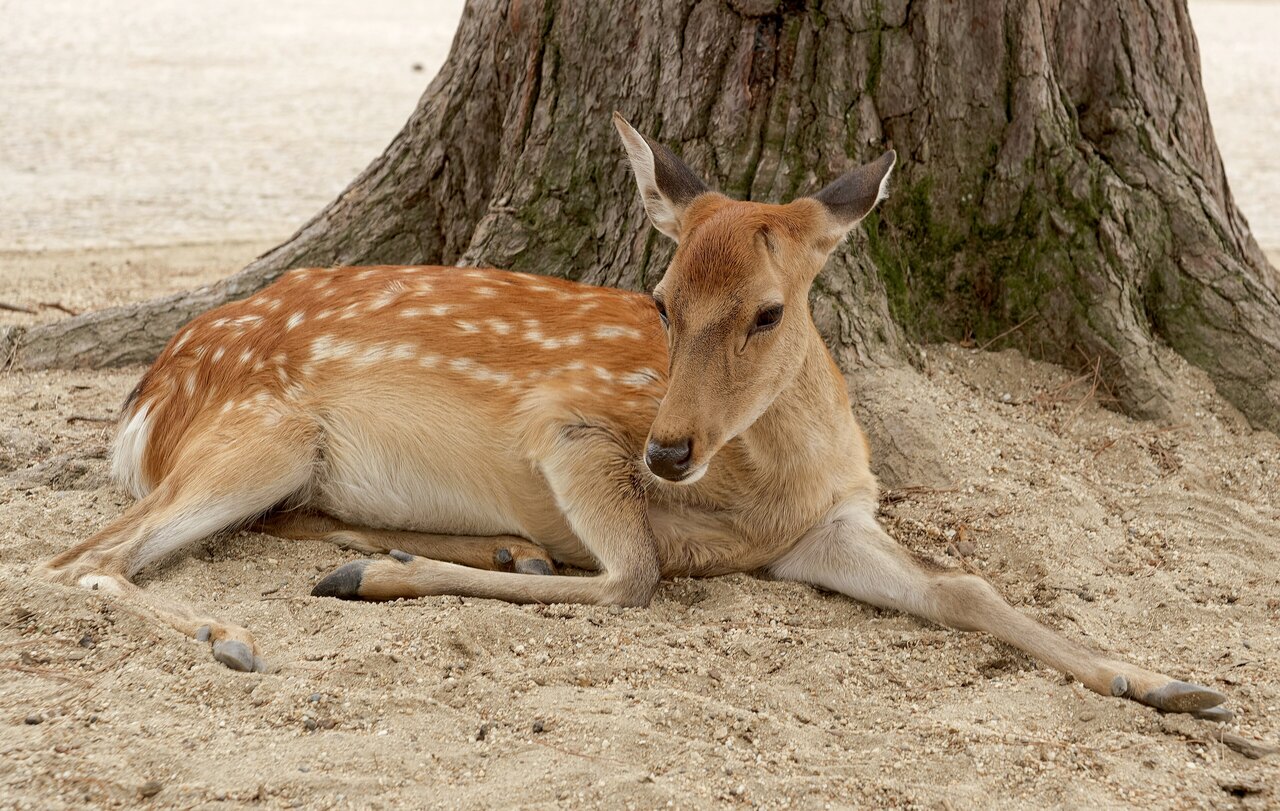
Morning. Walk 20 minutes from Kintetsu Nara station through Nara Park, where about 1,300 wild sika deer roam freely, to Todai-ji. Enter the Daibutsuden (about ¥800) at 7:30-8:00, before the tour groups, to see the 15-metre bronze Great Buddha inside one of the largest wooden buildings in the world. Pass through the Nandaimon gate with its two guardian statues on the way.
Afternoon. Walk up the stone lanes behind the hall to Nigatsu-do (free), with a wooden balcony looking over the city, and the neighbouring Sangatsu-do, one of the oldest buildings in Todai-ji. Then rest at the tea house below the hall.
Evening. Return through the park at sunset, when the deer gather on the grass and the crowds have left. Eat kamameshi (rice cooked in an iron pot) near Sanjo-dori, about ¥1,500-2,500.
Buy shika senbei deer crackers (about ¥200) only when you are ready to feed them; deer gently bow for them but can nip and push if you hold the pack up.
Day 2: Kasuga Taisha, Kofuku-ji and Naramachi
Morning. Walk the forest path lined with about 2,000 stone lanterns to Kasuga Taisha, Nara's great Shinto shrine with vermilion corridors and 1,000 hanging bronze lanterns (inner area about ¥700). Then visit the Kasugayama Primeval Forest trail behind it, a protected forest that has not been cut for over 1,000 years.
Afternoon. Walk 20 minutes to Kofuku-ji, with its five-storey pagoda, and see its National Treasure Museum (about ¥700-900) for the three-faced, six-armed Ashura statue. Then cross to the gardens of Isuien (about ¥1,200), which borrows the roof of Todai-ji as its backdrop, and the free Yoshikien next door.
Evening. Wander Naramachi, the old merchant quarter south of Sarusawa Pond, with machiya townhouses, sake breweries and small restaurants. Watch the high-speed mochi pounding at Nakatanidou on Sanjo-dori (about ¥150 a piece).
In late October to early November, the Nara National Museum holds the annual Shosoin exhibition of 8th-century treasures; expect long queues and book online.
Day 3: Horyu-ji, Yakushi-ji and Toshodai-ji
Morning. Take the JR Yamatoji line 11 minutes from JR Nara to Horyuji station, then walk 20 minutes or take a bus. Horyu-ji (about ¥1,500), founded by Prince Shotoku in 607, contains the oldest surviving wooden buildings in the world, including the five-storey pagoda and the Kondo hall. Allow 2-2.5 hours with the Gallery of Temple Treasures and the octagonal Yumedono hall.
Afternoon. Return by bus or taxi to Nishinokyo station on the Kintetsu Kashihara line. Visit Yakushi-ji (about ¥1,000-1,600), with its restored red halls and the 7th-century East Pagoda, then walk 10 minutes north to Toshodai-ji (about ¥1,000), founded by the Chinese monk Ganjin in 759.
Evening. Stop on the way back at the Heijo Palace site (free), where the reconstructed Suzakumon gate and Daigokuden hall stand on the open ground of the 8th-century capital. Sunset over the field is very quiet.
Buses 72 and 97 link JR Nara station with Horyu-ji, Yakushi-ji and Toshodai-ji; a bus day pass is often cheaper than separate fares.
Only have 1 day?
With 1 day, do Day 1 and the first half of Day 2: Todai-ji, Kasuga Taisha and Kofuku-ji, all within a 2 km loop from Kintetsu Nara station. You lose Naramachi and the western temples.
Got extra days?
A 4th day can go to Yoshino (about 1.5 hours by Kintetsu), famous for 30,000 cherry trees in early April and its mountain temples, or to the hidden-valley temple Muro-ji and Hase-dera, with its covered wooden stairway of 399 steps.
Where to stay in Nara
| Budget | Area | Why | Typical double/night |
|---|---|---|---|
| Budget | Around JR Nara station | Business hotels and hostels with easy trains to Horyu-ji, Kyoto and Osaka. | ¥8,000-14,000 |
| Mid-range | Kintetsu Nara / Sanjo-dori | Five minutes from the park and Kofuku-ji, with the most restaurants. | ¥15,000-28,000 |
| Mid-range | Naramachi | Restored townhouse inns and guesthouses in the old merchant quarter. | ¥18,000-32,000 |
| Comfort | Nara Park ryokan and hotels | Traditional inns with kaiseki dinner, or historic hotels inside the park. | ¥45,000-120,000 |
Getting around
Central Nara is walkable: Kintetsu Nara station to Todai-ji is about 15-20 minutes, and JR Nara station is 10 minutes further west. From Kyoto, the Kintetsu line takes about 35-50 minutes (¥760, more for the limited express); the JR Nara line takes 45-75 minutes. From Osaka Namba, the Kintetsu Nara line takes about 40 minutes (¥680). From Kansai Airport, the limousine bus to Nara takes about 1.5 hours. City buses run a loop around the park, and an ICOCA or Suica card works on trains and buses.
What to eat in Nara
Nara's specialities are quiet and old. Kakinoha-zushi is pressed sushi of mackerel or salmon wrapped in persimmon leaves, sold in boxes of 6-10 for about ¥1,000-2,000. Narazuke are vegetables pickled for years in sake lees; buy small packs in the Higashimuki shopping street. Try chagayu (rice porridge with green tea) at breakfast in ryokan, miwa somen thin noodles served cold in summer, and kuzu sweets made from arrowroot. Restaurants close early here, often by 20:00-21:00, so plan dinner sooner than in Osaka. A simple lunch set costs ¥1,000-1,500.
Best time to visit
Late March to mid-April for cherry blossom in the park and Yoshino, and mid-November to early December for autumn leaves, both at about 15-20°C; they are the busiest periods. Summer is hot and humid at 32-35°C. In winter, Nara is quiet; on the fourth Saturday of January, the grass of Mount Wakakusa is set on fire (Yamayaki), and the Omizutori fire ceremony at Nigatsu-do runs from 1 to 14 March.
Month-by-month weather for Nara →
What a day costs
| Budget | Mid-range | Comfort | |
|---|---|---|---|
| Bed (per person, sharing a double) | ¥5,000 | ¥11,000 | ¥30,000 |
| Food & drink | ¥3,000 | ¥6,000 | ¥15,000 |
| Sights & tickets | ¥1,500 | ¥3,000 | ¥5,000 |
| Local transport | ¥500 | ¥1,000 | ¥3,000 |
| Total per person, per day | about ¥10,000 | about ¥21,000 | about ¥53,000 |
Approximate 2026 prices in Japanese yen; ryokan prices usually include dinner and breakfast. Japan's 10% consumption tax is included in most quoted prices; check whether a local accommodation tax is added to your booking.
Before you go
Common questions
Is Nara better as a day trip or an overnight stay?
A day trip from Kyoto or Osaka is enough for Todai-ji, the park and Kasuga Taisha. An overnight stay lets you see the deer park at dawn and dusk without crowds, eat in Naramachi in the evening, and add Horyu-ji the next day. Hotels are also usually cheaper than in Kyoto. Two nights is ideal for anyone who enjoys temples.
Are the Nara deer dangerous?
They are wild animals, though used to people. Most are calm, but they can head-butt, kick or bite, especially when they see food. Never tease them with crackers, keep bags and maps out of reach, and do not feed them anything except shika senbei. Be careful with small children, in the autumn rutting season, and with females near fawns in early summer.
Is the JR Pass useful for Nara?
The national JR Pass covers the JR Nara line from Kyoto and the JR line to Horyuji station, but not the faster and more central Kintetsu trains. Since the 2023 price rise, the national pass rarely pays off for short trips. If you are based in Kansai, a regional pass such as the Kansai Area Pass, or simple ICOCA fares, usually costs less.
What is the best order to visit the temples in Nara Park?
Start at Todai-ji at opening, when the Daibutsuden is quiet, then go up to Nigatsu-do, walk across to Kasuga Taisha through the lantern-lined forest path, and end at Kofuku-ji, close to the station. The loop is about 4-5 km. Doing it in reverse from the station puts you at Todai-ji at the busiest time of day.
How this guide was made
Compiled by TonyPlan from official tourism, transport and attraction sources and on-the-ground travel knowledge. Prices are approximate for 2026 and change with season; anything we could not confirm is marked as approximate.
Some links on this page are partner links. If you book through them TonyPlan may earn a commission; the price you pay is the same. How we make money.