Home › Hamburg › How many days
How many days in Hamburg? 3 days, from the warehouses to the Elbe beaches
By Tony Panopoulos · travel-agency planner in Greece · Updated
Hamburg is a port city first: Germany's largest harbour sits a few minutes' walk from the town hall, and much of the city is water, from the Elbe and its canals to the two Alster lakes in the centre. Three days works well. One for the red-brick Speicherstadt and the new HafenCity, one on the harbour and in St. Pauli, and one for the Alster, the art museums and the villages along the river at Blankenese. Time one of your mornings for Sunday, when the Fischmarkt opens at dawn.
Short answer
Two days covers the Speicherstadt, the Elbphilharmonie, the harbour and St. Pauli. A third adds the Kunsthalle, the Alster lakes and the riverside walk from Övelgönne to Blankenese.
The 3-day plan, day by day
Day 1: Speicherstadt, Miniatur Wunderland and the Elbphilharmonie
Morning. Walk the Speicherstadt, the world's largest warehouse district, built on oak piles from the 1880s and a UNESCO site since 2015. Book an early slot at Miniatur Wunderland (about €25), the largest model railway in the world, with a working model airport; allow 2-3 hours.
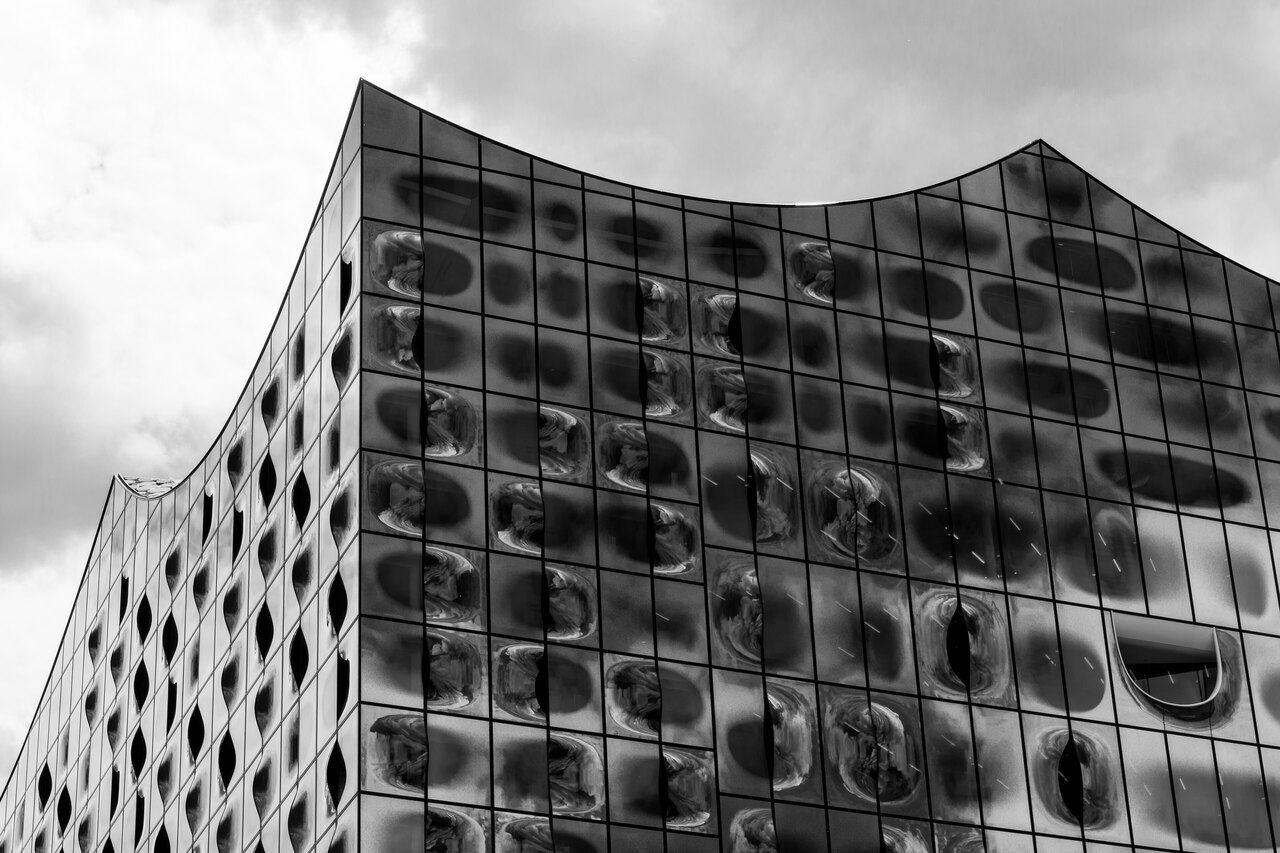
Afternoon. Cross into HafenCity, Europe's biggest inner-city development, and up the long curved escalator of the Elbphilharmonie to the Plaza, a free public terrace 37 metres up with views over the harbour (a timed online ticket costs about €3).
Evening. Take a 1-hour harbour cruise from the Landungsbrücken (about €20-25), or see a concert at the Elbphilharmonie if you booked months ahead. Dinner in the Portugiesenviertel, the Portuguese quarter near the harbour, costs €18-30.
The Speicherstadt is most photogenic from the Poggenmühlen bridge at blue hour, when the Wasserschloss building is lit between two canals.
Day 2: Fish market, the harbour and St. Pauli
Morning. On Sunday, be at the Fischmarkt in Altona between 5:00 and 9:30 (from 7:00 in winter), where traders shout prices for eels and fruit, and a brass band plays in the 19th-century Fischauktionshalle. Buy a Fischbrötchen (herring or shrimp roll) for €4-7.
Afternoon. Walk under the river through the Old Elbe Tunnel (free), opened in 1911, 24 metres below the water, for the skyline view from Steinwerder. Back on the north bank, climb the tower of St. Michaelis church (about €8), the 'Michel', at 106 metres above the city.
Evening. Go to St. Pauli: the Reeperbahn with its theatres and clubs, Beatles-Platz, where the band played their first long residencies in 1960-62, and the bars of Hans-Albers-Platz. A beer costs about €5-6.
Take public ferry line 62 from Landungsbrücken to Finkenwerder on a normal HVV ticket: a harbour cruise for the price of a bus fare.
Day 3: Alster lakes, Kunsthalle and Blankenese
Morning. Start at the Rathaus, the neo-Renaissance town hall with 647 rooms (guided tours about €7), then walk along Jungfernstieg to the Binnenalster. The Hamburger Kunsthalle (about €16) by the main station has Caspar David Friedrich's 'Wanderer above the Sea of Fog'.
Afternoon. Take ferry 62 or bus 112 west to Övelgönne and walk along the Elbe beach, watching container ships pass a few hundred metres away, then continue about 1 hour to Blankenese, a former fishing village whose Treppenviertel has some 5,000 steps between captains' houses.
Evening. Return to the Schanzenviertel, Hamburg's alternative quarter around the Rote Flora, for cheap food and bars, or sail the Aussenalster at sunset on an Alster ferry or a rented pedal boat.
The Alsterdampfer circular cruise (about €20) takes 1 hour round the Aussenalster's villas and boathouses; it runs roughly April to October.
Only have 2 days?
With 2 days, do Day 1 as written and add the Rathaus, Michel and the old Elbe tunnel to the St. Pauli day. You lose the Alster, the Kunsthalle and Blankenese.
Got extra days?
A 4th day goes to Lübeck (about 45 minutes by regional train), the medieval Hanseatic city with the Holsten Gate and marzipan from Niederegger, or to Lüneburg for its brick old town. Families can add the Hagenbeck zoo and Planten un Blomen park, with its free water-light concerts on summer evenings.
Where to stay in Hamburg
| Budget | Area | Why | Typical double/night |
|---|---|---|---|
| Budget | St. Georg / Schanzenviertel | Hostels and simple hotels near the main station or among bars; St. Georg is mixed at night near the station. | €80-130 |
| Mid-range | Altstadt / Neustadt | Walk to the Rathaus, Alster and Speicherstadt. | €140-220 |
| Mid-range | St. Pauli / Landungsbrücken | Near the harbour ferries and the Reeperbahn; lively and loud at weekends. | €120-200 |
| Comfort | Alster lakefront / HafenCity | Grand hotels on the Binnenalster, or modern rooms next to the Elbphilharmonie. | €250-500 |
Getting around
The HVV network covers U-Bahn, S-Bahn, buses and the harbour ferries on one ticket; a single costs about €3.80 and a day ticket about €8-9. The Deutschlandticket (about €63 a month) covers all local transport in Germany. From the airport, the S1 reaches the main station in about 25 minutes. The centre is walkable: Rathaus to the Speicherstadt is about 15 minutes, and to Landungsbrücken 20. StadtRAD bikes are cheap, with the first 30 minutes often free.
What to eat in Hamburg
Start with a Fischbrötchen, a roll of pickled herring, smoked salmon or North Sea shrimp, for €4-7 at Brücke 10 on the Landungsbrücken. Try Labskaus, a sailors' dish of corned beef, potato and beetroot with a fried egg and pickled herring, and Pannfisch with mustard sauce. For breakfast, the cinnamon Franzbrötchen is Hamburg's own pastry. Aalsuppe, the local eel soup, is now rare. Drink Astra or Holsten beer, or local craft at Ratsherrn in the Schanze. A mid-range dinner costs €25-45.
Best time to visit
May to September has the longest days, with highs of 18-24°C, beach bars on the Elbe and open-air festivals. Hamburg is rainy year-round, so pack a jacket. The Hafengeburtstag harbour festival in May and the Christmas markets from late November, especially at the Rathaus, are the busiest times. Winters are grey and around 3-5°C.
Month-by-month weather for Hamburg →
What a day costs
| Budget | Mid-range | Comfort | |
|---|---|---|---|
| Bed (per person, sharing a double) | €45 | €90 | €190 |
| Food & drink | €30 | €55 | €100 |
| Sights & tickets | €15 | €45 | €90 |
| Local transport | €8 | €9 | €25 |
| Total per person, per day | about €100 | about €200 | about €405 |
Approximate 2026 prices in euros; Hamburg adds a culture and tourism tax on hotel stays, charged per room per night and rising in steps with the room price (check the amount with your hotel).
Before you go
Common questions
Can I visit the Elbphilharmonie without a concert ticket?
Yes. The Plaza, the public viewing terrace 37 metres up between the old warehouse base and the glass top, is free if you queue on the day, or costs about €3 for a timed online ticket. It is open most days from about 10:00 to midnight. The concert halls themselves are only open to ticket holders or on paid guided tours.
When is the Hamburg fish market?
Every Sunday morning, from about 5:00 to 9:30 between April and October and from about 7:00 in winter. It is a tradition since 1703, half market and half party, with late-night revellers mixing with early-risers. Go by 7:00 for the auction hall's live music and to see traders selling baskets of fruit at falling prices.
Is the Reeperbahn safe?
It is generally safe and heavily policed, but very crowded on Friday and Saturday nights. Watch for pickpockets, and avoid aggressive sellers outside some clubs. Knives and weapons are banned in the area at weekends. Herbertstrasse, a side street closed by screens, does not admit women or under-18s.
How long should I book Miniatur Wunderland ahead?
For weekends and school holidays, book a timed slot a week or more ahead; weekday mornings or late evenings are quieter and sometimes have tickets on the day. It is open until late on many days, often until 21:00 or later. Allow at least two and a half hours, as the sections are large and detailed.
How this guide was made
Compiled by TonyPlan from official tourism, transport and attraction sources and on-the-ground travel knowledge. Prices are approximate for 2026 and change with season; anything we could not confirm is marked as approximate.
Some links on this page are partner links. If you book through them TonyPlan may earn a commission; the price you pay is the same. How we make money.