How many days in Dublin? 3 days of pubs, history and the coast
By Tony Panopoulos · travel-agency planner in Greece · Updated
Dublin is a small capital with a big story: Viking settlement, British rule, the 1916 Easter Rising, and a literary tradition from Swift to Joyce and Beckett. Three days covers the Book of Kells at Trinity College, the Guinness Storehouse and Kilmainham Gaol, the Georgian squares and national museums (mostly free), and the pubs with traditional music, plus a half-day on the coast at Howth or in the Wicklow Mountains at Glendalough. It is one of Europe's more expensive cities, especially for hotels.
Short answer
Two days covers Trinity, the Guinness Storehouse, Kilmainham and the pubs. The third adds the coast or Glendalough.
The 3-day plan, day by day
Day 1: Trinity College and Georgian Dublin
Morning. Book the first slot for the Book of Kells at Trinity College (about €20-26): the 9th-century illuminated gospels and the Long Room library, 65 metres of oak shelves and 200,000 old books.
Afternoon. Walk through St Stephen's Green and the Georgian squares, Merrion Square (Oscar Wilde's house and statue) and Fitzwilliam Square, with their coloured doors. Visit the National Museum of Ireland - Archaeology (free), with Celtic gold and bog bodies, and the National Gallery (free).
Evening. Have dinner and a pint near Grafton Street, then traditional music at O'Donoghue's on Merrion Row, where the Dubliners played in the 1960s.
The Book of Kells is busy from mid-morning; the first and last slots of the day are calmest.
Day 2: Kilmainham Gaol and the Guinness Storehouse
Morning. Take a guided tour of Kilmainham Gaol (about €8; book well ahead, it often sells out), where the leaders of the 1916 Rising were executed in the stone-breakers' yard. The tour is one of the most moving experiences in Ireland.
Afternoon. Walk 20 minutes to the Guinness Storehouse (about €26-30) at St James's Gate, a seven-storey visitor centre in a former fermentation plant. The ticket includes a pint in the Gravity Bar, with a 360° view of the city.
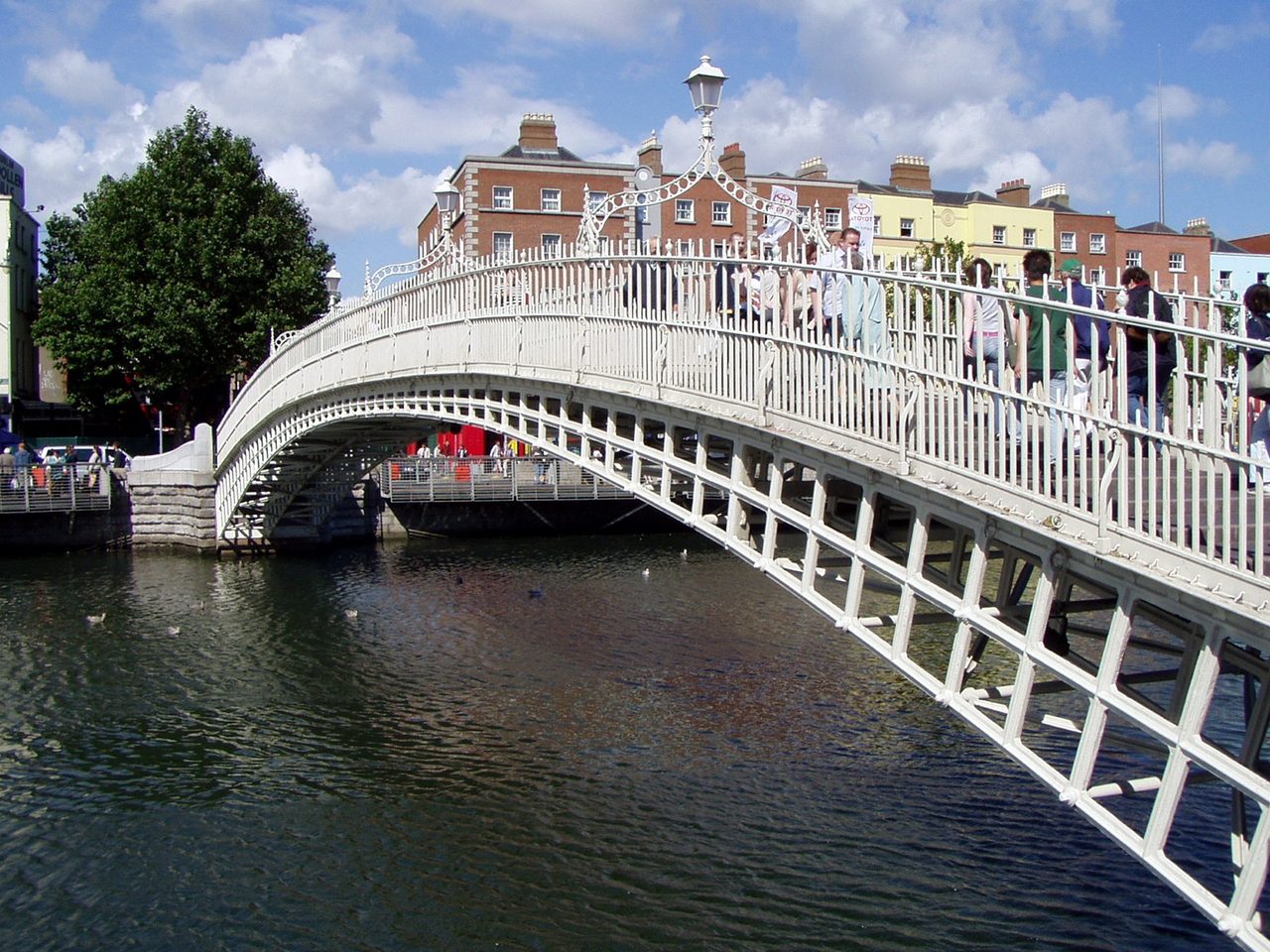
Evening. Walk along the River Liffey and across the Ha'penny Bridge (1816), then visit Temple Bar for its buzz and music, though drinks there are pricey; better pubs are a few streets away.
Visit Christ Church Cathedral and St Patrick's Cathedral (where Jonathan Swift was dean) between Kilmainham and the city centre.
Day 3: Howth or Glendalough
Morning. Take the DART coastal train to Howth (about 30 minutes), a fishing village on a peninsula, and walk the Howth Cliff Walk (about 2-3 hours for the loop) above the Irish Sea, with seals in the harbour.
Afternoon. Eat fish and chips or seafood at Howth harbour, then return to the city. Alternatively, take a tour (about 1 hour each way) to Glendalough in the Wicklow Mountains, a 6th-century monastic site with a round tower beside two lakes.
Evening. Visit the Little Museum of Dublin or EPIC (the Irish Emigration Museum) if you are back early, then a final pub evening in a historic pub such as The Long Hall or Kehoe's.
The DART also goes south to Dalkey and Killiney, with a fine walk over Killiney Hill and views of the bay.
Only have 2 days?
With 2 days, do Day 1 and Day 2. You lose Howth or Glendalough.
Got extra days?
With more time, take a day tour to the Cliffs of Moher and Galway (about 3 hours each way), or to Newgrange, a 5,000-year-old passage tomb older than Stonehenge (about 1 hour).
Where to stay in Dublin
| Budget | Area | Why | Typical double/night |
|---|---|---|---|
| Budget | North of the Liffey (O'Connell Street area) | Cheaper hotels, Luas tram, a short walk to the centre. | €140-220 |
| Mid-range | Around St Stephen's Green / Grafton Street | Walk to Trinity, the museums and the pubs. | €220-380 |
| Mid-range | Docklands | Modern hotels, quieter, near the river. | €200-350 |
| Comfort | Georgian hotels by St Stephen's Green | Historic grand hotels. | €400-900 |
Getting around
The centre is very walkable. Use Luas trams, Dublin Bus and the DART coastal train; a Leap card or contactless gives cheaper fares, and a 90-minute fare covers transfers. From the airport, the Dublin Express and Aircoach buses reach the centre in 30-45 minutes; there is no rail link yet.
What to eat in Dublin
Irish food has improved enormously. Try Irish stew (lamb, potatoes, carrots), boxty (potato pancakes), seafood chowder with brown soda bread, oysters with a pint of stout, and a full Irish breakfast with black and white pudding. Pubs serve good food at lunchtime for €15-22. Order a Guinness and wait for it to settle: the perfect pint takes about 2 minutes to pour. Restaurants include service in many bills; otherwise tip 10-12.5%.
Best time to visit
May to September, with highs of 17-20°C and long evenings; it can still rain any day. St Patrick's Day (17 March) brings a huge parade and festival. Winter is mild (about 8-9°C), wet and dark early, but pubs and theatres make it cosy.
Month-by-month weather for Dublin →
What a day costs
| Budget | Mid-range | Comfort | |
|---|---|---|---|
| Bed (per person, sharing a double) | €75 | €140 | €300 |
| Food & drink | €35 | €65 | €130 |
| Sights & tours | €20 | €50 | €100 |
| Local transport | €6 | €10 | €25 |
| Total per person, per day | about €135 | about €265 | about €555 |
Approximate 2026 prices. Dublin hotels are among the most expensive in Europe, especially at weekends and during concerts and sports events. A pint costs about €6-8, more in Temple Bar.
Before you go
Common questions
Is the Guinness Storehouse worth it?
It is Ireland's most visited attraction and a well-designed experience with a great view from the Gravity Bar. Book a timed ticket online for a lower price.
How far ahead should I book Kilmainham Gaol?
At least a week or two ahead in summer: tours are limited and often sold out on the day.
Is Temple Bar worth visiting?
Once, for the atmosphere and live music, but it is touristy and expensive. Locals drink in pubs around Camden Street, Stoneybatter and the streets off Grafton Street.
Can I see the Cliffs of Moher from Dublin?
Yes, on a long day tour (about 12 hours) that also visits Galway. Staying a night in the west is more relaxed.
Do I need a car in Dublin?
No. Walk, use public transport and take tours or trains for day trips.
Where can I hear traditional Irish music?
Many pubs hold sessions most nights: O'Donoghue's, The Cobblestone in Smithfield (known for genuine sessions where musicians just turn up), Hughes' near the Four Courts and several pubs in Temple Bar. Sessions are free; buy a drink and keep the conversation down while the musicians play.
How do I get from Dublin Airport to the city?
By the Dublin Express or Aircoach coaches (about 30-45 minutes, depending on traffic), by Dublin Bus routes, or by taxi (about €30-40). There is no train or tram to the airport yet.
Is the Dublin Pass worth it?
It includes many paid sights such as the Guinness Storehouse, the Jameson Distillery and Dublin Castle, but some popular ones need separate booking. Compare it with your own list before buying.
How this guide was made
Written by hand, without AI, from experience planning Ireland trips. Prices are approximate for 2026; confirm on the official Trinity College (Book of Kells), Guinness Storehouse, OPW (Kilmainham Gaol) and Transport for Ireland websites before booking.
Some links on this page are partner links. If you book through them TonyPlan may earn a commission; the price you pay is the same. How we make money.