Where to stay in Dublin
Dublin is bisected by the River Liffey, with the historical core centered around the south side and Trinity College. The city is remarkably compact, meaning most major sites are reachable on foot if you stay central. Northside districts offer grit and authenticity, while southern postcodes lean toward Georgian elegance. Choosing your base depends on whether you prefer vibrant nightlife proximity or quieter residential access near the Grand Canal or Phoenix Park.
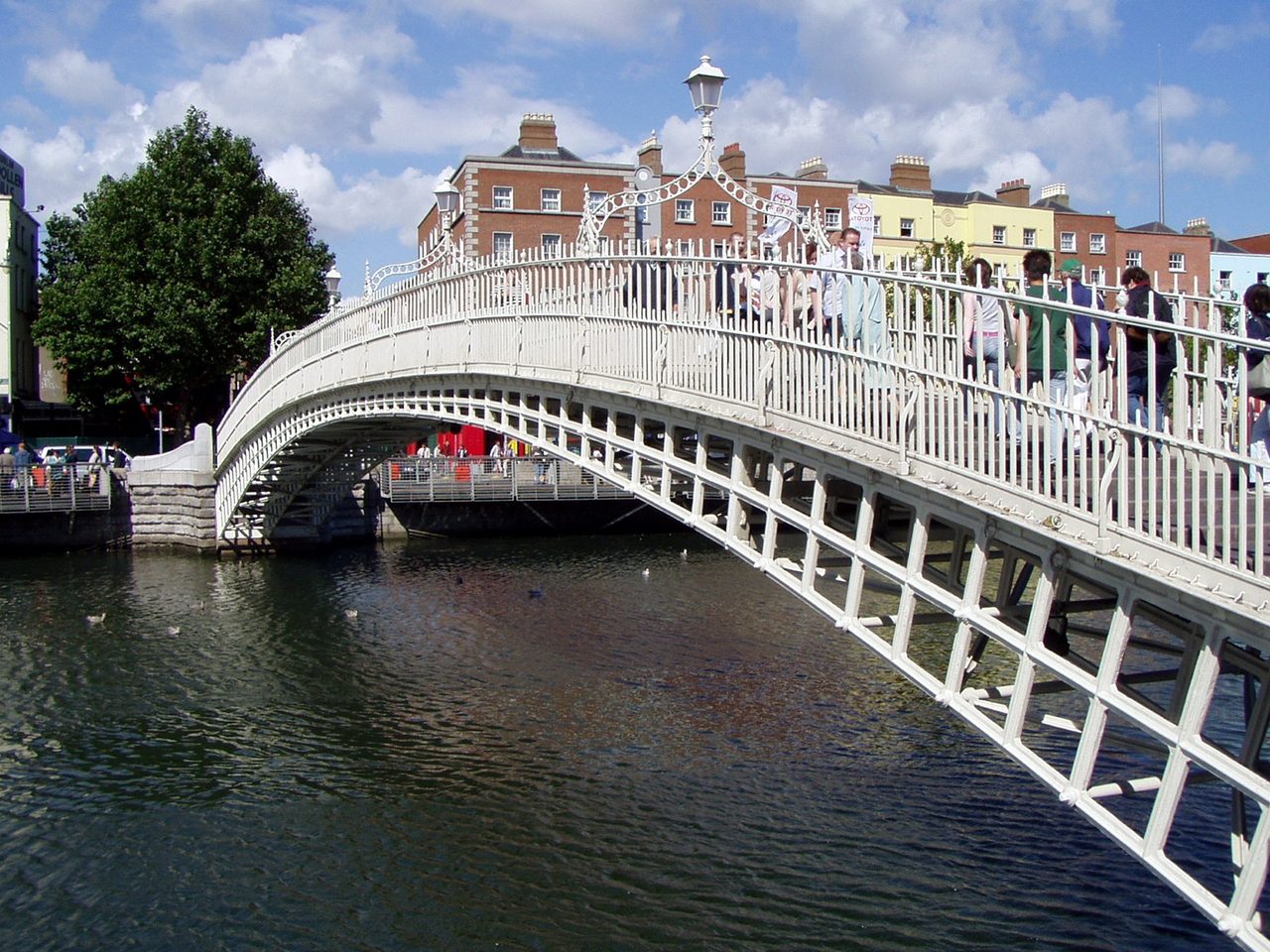
Temple Bar
This is the tourist epicenter, defined by cobblestone streets and crowded traditional pubs. It is intensely busy around the clock. You can walk to Trinity College, Dublin Castle, and the Ha’penny Bridge in under five minutes. Expect high noise levels and persistent crowds, but you are steps away from nearly every major city-center attraction and dozens of iconic dining venues.
St. Stephen’s Green
This area exudes old-world charm with its grand Georgian squares and meticulously manicured park. It is highly walkable to the National Museum of Ireland and the luxury boutiques along Grafton Street. You are positioned perfectly between the bustling city center and the quieter, leafier canals. It feels sophisticated, clean, and significantly calmer than the areas directly bordering the River Liffey.
Smithfield
Formerly a market district, it is now home to trendy coffee roasters, cinemas, and the Old Jameson Distillery. It remains a quick fifteen-minute walk across the river to the central shopping areas. The atmosphere is grounded and youthful, featuring wide open spaces and the historic Stoneybatter neighborhood nearby, which offers excellent independent restaurants and local pubs frequented by residents rather than visitors.
Grand Canal Dock
This area, often called Silicon Docks, feels distinct from the rest of Dublin with its glass-fronted buildings and modern harbor layout. It is a longer walk to Trinity College—about twenty minutes—but offers a quiet, polished aesthetic. You are close to the Bord Gáis Energy Theatre and several upscale bars that overlook the water, providing a refreshing departure from the city’s typical medieval sprawl.
Phibsborough
Located north of the city center, this is a bustling, diverse neighborhood defined by its authentic Victorian shops and strong community feel. It is a thirty-minute walk to the Spire on O'Connell Street, though well-served by buses and the Luas tram. You get better value for money here, surrounded by neighborhood cafes and proximity to the expansive green space of Mountjoy Square.
Rent a car in Dublin
Compare rental cars from local and international companies, with free cancellation on most bookings.
Compare car rentals in DublinOne thing to think about
Avoid booking accommodation specifically on O'Connell Street. While it is the main thoroughfare, it lacks the character of surrounding districts and becomes quite desolate and loud at night. Many budget hotels here are tired and disconnected from the city’s actual charm, making a short walk to more vibrant side streets a much better investment for your stay.
Other places to stay in Ireland: lastminute.com · Megabon
Once you have a bed
The things that sell out first in Dublin are the small-group tours and the skip-the-line tickets.
Top tours & activities in Dublin
Common questions
Is it necessary to use public transport in Dublin?
If you stay within the canals, you rarely need public transport as Dublin is highly walkable. However, the Luas tram system is excellent for reaching outlying areas like Heuston Station or the shopping districts in Dundrum. For airport transfers, the Aircoach is more reliable and comfortable than standard city buses.
Which side of the river is better for first-time visitors?
The south side is generally preferred by first-timers because it houses the majority of iconic landmarks like Trinity College, St. Stephen’s Green, and the historic Creative Quarter. The north side is rapidly gentrifying and offers great value, but the southern districts provide a more concentrated experience of Dublin’s classic Georgian architecture and famous heritage.
Do I need to book popular attractions in advance?
Yes, absolutely. The Book of Kells at Trinity College and the Guinness Storehouse frequently sell out days in advance, especially during weekends or summer months. Even smaller museums can have limited capacity, so securing tickets online before you arrive will save you hours of queuing and ensure you don't miss out on your priority sites.
Hotel links go to Booking.com. If you book through them TonyPlan earns a small commission — the price you pay is exactly the same.