How many days in Canada? 9 days from Niagara to Quebec City and the Rockies
By Tony Panopoulos · travel-agency planner in Greece · Updated
Canada is the second-largest country in the world, and the mistake is trying to cross it by land. Split it: five days in the east, by train from Toronto to Montreal and Quebec City, then a 4.5-hour flight west to Calgary for four days in the Rockies. Vancouver and the Atlantic coast need a separate trip.
Short answer
Seven days covers Toronto, Niagara, Montreal and three days in Banff. Nine days adds Quebec City and the Icefields Parkway, the most scenic road in the country.
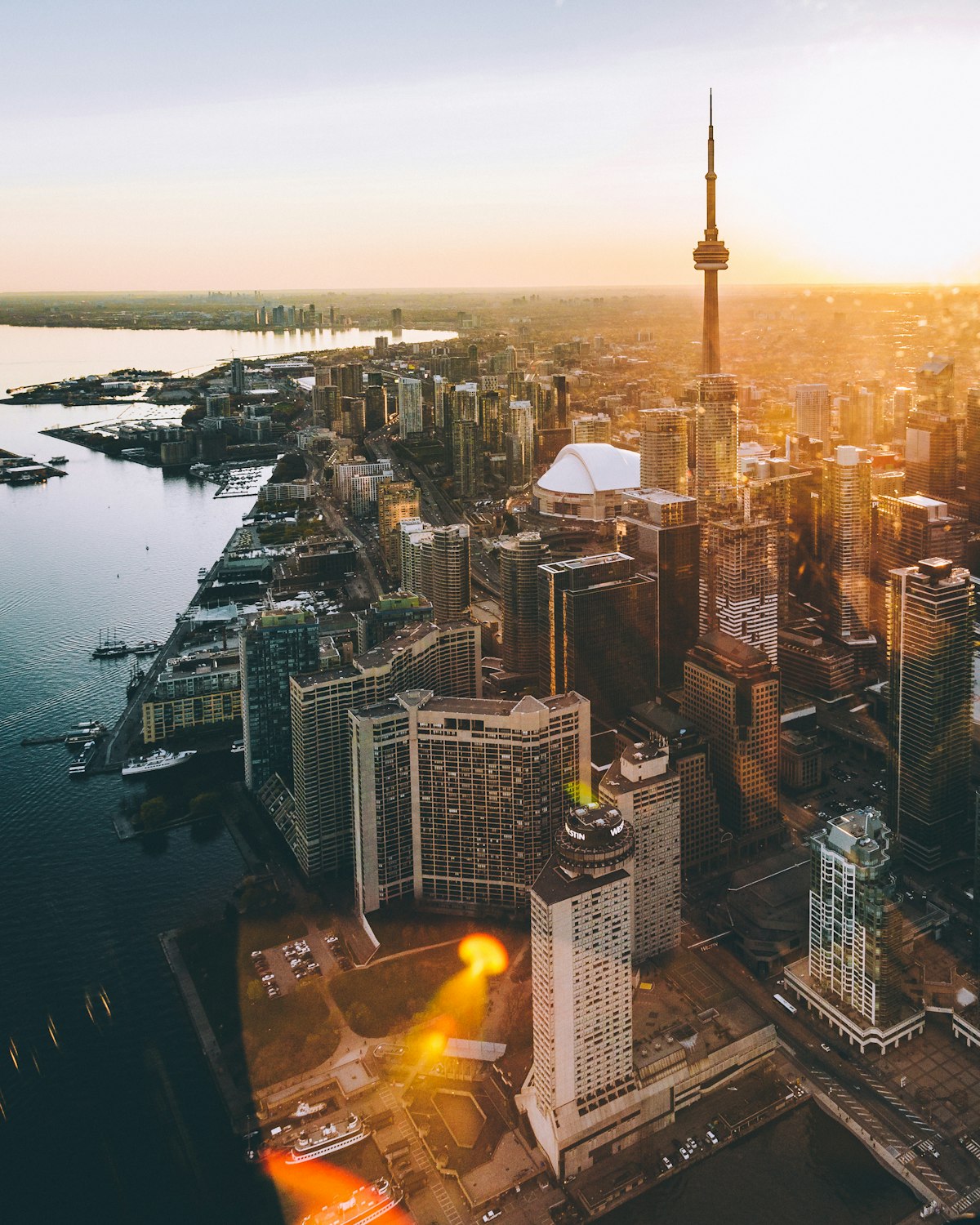
The 9-day plan, day by day
Day 1: Toronto
Morning. Start at St Lawrence Market (closed Sundays and Mondays) for a peameal bacon sandwich, about C$10. Walk 10 minutes to the Distillery District, Victorian brick warehouses turned into galleries and cafés.
Afternoon. Go up the CN Tower, 553 metres, about C$45-50, with a glass floor 342 metres above the street. Then walk Kensington Market for vintage shops and cheap food, beside Chinatown.
Evening. Take the ferry from Jack Layton Terminal to the Toronto Islands (about C$9 return, 15 minutes) for the skyline at sunset, then dinner on Ossington or Queen Street West.
Use a contactless card or phone on the TTC subway and streetcars; a ride costs about C$3.35 with two hours of transfers.
Day 2: Niagara Falls and Niagara-on-the-Lake
Morning. Drive or take a day tour 130 km to Niagara Falls (about 1.5-2 hours), or ride the GO train from Union Station. Board the Niagara City Cruises boat (about C$35) into the spray of the Horseshoe Falls.
Afternoon. Walk the riverside path to the brink, then drive 25 minutes along the Niagara Parkway to Niagara-on-the-Lake, a 19th-century town with icewine wineries; tastings cost about C$15-25.
Evening. Return to Toronto, or stay to see the falls lit in colour after dark.
Skip the Clifton Hill souvenir strip; the parkway walk is free and better.
Day 3: Train to Montreal and Old Montreal
Morning. Take VIA Rail from Toronto Union Station to Montreal, about 5 hours along Lake Ontario, from roughly C$60-150 booked ahead. Drop your bags near downtown.
Afternoon. Walk into Old Montreal: cobbled Rue Saint-Paul, Place Jacques-Cartier and the Notre-Dame Basilica (about C$16), whose blue and gold interior is the most striking in North America. Then stroll the Old Port on the St Lawrence.
Evening. Eat a smoked-meat sandwich at Schwartz's on Boulevard Saint-Laurent, about C$15, or have dinner in the Plateau, where many restaurants are bring-your-own-wine.
Montreal is French-speaking; a "bonjour" first is appreciated, and almost everyone switches to English easily.
Day 4: Mount Royal, markets and the Plateau
Morning. Walk up Mount Royal (about 45 minutes from downtown) to the Kondiaronk Belvedere for the view over the city and the river. Come down through the Plateau with its colourful outdoor staircases.
Afternoon. Take the metro to Jean-Talon Market in Little Italy for Quebec cheeses, maple products and berries. Then walk to Mile End for bagels baked in wood ovens at St-Viateur or Fairmount, about C$1.50 each.
Evening. Try poutine, fries with cheese curds and gravy, at La Banquise, open 24 hours, or a show in the Quartier des Spectacles.
A 1-day or 3-day STM pass pays off after three metro rides.
Day 5: Quebec City
Morning. Take the early VIA train (about 3h15) or a bus (about 3 hours) to Quebec City, the only walled city north of Mexico. Start at the Château Frontenac and the Dufferin Terrace boardwalk above the river.
Afternoon. Take the funicular (about C$5) or the Breakneck Stairs down to Petit-Champlain and Place Royale, then climb back to the Plains of Abraham, where the 1759 battle decided the fate of New France, and the star-shaped Citadelle.
Evening. Dinner on Rue Saint-Jean, then the ferry to Lévis (about C$4) for the night view of the old town.
Montmorency Falls, 83 metres high and taller than Niagara, is 15 minutes away by car or bus.
Day 6: Fly west to Calgary and Banff
Morning. Fly from Quebec City or Montreal to Calgary, about 4.5-5 hours; you gain two hours with the time change. Pick up a car at the airport.
Afternoon. Drive 1.5 hours west on the Trans-Canada Highway to Banff. Pay the Parks Canada entry fee, about C$11-12 per adult per day, or buy the yearly Discovery Pass if you stay a week.
Evening. Walk Banff Avenue with Cascade Mountain at its end, then soak in the Banff Upper Hot Springs (about C$17), open until late.
Book Banff hotels months ahead for July and August.
Day 7: Banff: the gondola and the canyons
Morning. Ride the Banff Gondola up Sulphur Mountain (about C$70-90, 8 minutes) and walk the boardwalk to the old weather station at 2,281 metres.
Afternoon. Drive 30 minutes along the Bow Valley Parkway to Johnston Canyon for the 2.7 km trail to the Upper Falls on catwalks fixed to the canyon walls. Watch for elk and bears at the roadside.
Evening. Cruise or canoe on Lake Minnewanka, 15 minutes from town, then dinner in Banff, roughly C$40-70 per person.
Carry bear spray (about C$50, sold in Banff) on every trail and keep at least 100 metres from bears.
Day 8: Lake Louise and Moraine Lake
Morning. Reach Moraine Lake at sunrise on the Parks Canada shuttle or a commercial bus; the road has been closed to private cars since 2023. Climb the Rockpile trail for the view of the Valley of the Ten Peaks.
Afternoon. Shuttle on to Lake Louise, about 60 km from Banff, and hike 3.5 km up to the Lake Agnes Tea House, which serves tea at a lake above the clouds; it takes cash only.
Evening. Rent a canoe on Lake Louise (about C$150 an hour), or return to Banff.
Book shuttle seats when reservations open in spring; sunrise departures go first.
Day 9: The Icefields Parkway
Morning. Drive north on the Icefields Parkway, 230 km from Lake Louise to Jasper. Stop at Bow Lake and walk 10 minutes to the Peyto Lake viewpoint over a wolf-shaped turquoise lake.
Afternoon. Continue to the Columbia Icefield and the Athabasca Glacier, about 2 hours from Lake Louise. Walk the Toe of the Glacier trail free, or ride the ice explorer onto the glacier (about C$90-120).
Evening. Drive back towards Calgary, or continue to Jasper for the night.
There is no mobile signal and only one fuel stop, at Saskatchewan River Crossing, on the whole parkway.
Only have 7 days?
With 7 days, skip Quebec City and the Icefields Parkway: two days in Toronto with Niagara, two in Montreal, then fly to Calgary for three days in Banff and Lake Louise.
Got extra days?
With 12-14 days, continue from Jasper to Vancouver and Whistler, or add Ottawa between Toronto and Montreal.
Where to stay in Canada
| Budget | Area | Why | Typical double/night |
|---|---|---|---|
| Budget | Hostels and motels in Toronto, Montreal and Canmore | Canmore, 25 minutes outside Banff park, is much cheaper than Banff itself. | C$120-200 |
| Mid-range | Downtown Toronto and the Plateau, Montreal | Walk to the markets and metro, with good restaurants nearby. | C$200-320 |
| Mid-range | Banff town | Walk to the hot springs and shuttles; book months ahead for summer. | C$280-450 |
| Comfort | Fairmont Château Frontenac, Banff Springs or Château Lake Louise | The historic railway hotels in the best positions in Canada. | C$600-1,300 |
Getting around
In the east, VIA Rail links Toronto, Montreal and Quebec City between central stations. Between east and west, fly: Air Canada, WestJet and Porter reach Calgary in 4-5 hours. In the Rockies you need a car or tours, plus the Parks Canada shuttles; Banff to Jasper alone is 290 km.
What to eat in Canada
In Montreal, order poutine, smoked meat and wood-oven bagels; in Quebec City, tourtière (meat pie), pea soup and sugar pie. Toronto's strength is the food of its immigrant neighbourhoods; in Alberta, eat Alberta beef. Butter tarts are the national sweet. A casual meal costs C$20-30, a restaurant dinner C$50-80 with a drink, before tip and tax.
Best time to visit
June to September for the Rockies; Moraine Lake usually thaws by mid-June, and mid-to-late September brings golden larches. Late September to mid-October is best for autumn colours in Ontario and Quebec. July and August are warm (25-30°C in the east) and busiest. Winter is -10 to -20°C, with skiing at Banff and the Quebec Winter Carnival in February.
Month-by-month weather for Canada →
What a day costs
| Budget | Mid-range | Comfort | |
|---|---|---|---|
| Bed (per person, sharing a double) | C$80 | C$150 | C$320 |
| Food & drink | C$55 | C$100 | C$180 |
| Sights & tickets | C$25 | C$50 | C$90 |
| Local transport | C$40 | C$70 | C$120 |
| Total per person, per day | about C$200 | about C$370 | about C$710 |
Approximate 2026 prices in Canadian dollars; transport averages the train, the flight west and a shared rental car. Prices are shown before sales tax (5% GST plus provincial tax, about 13-15% in Ontario and Quebec) and a 15-20% tip in restaurants.
Before you go
Common questions
Can I see both coasts of Canada in one trip?
Not well in under three weeks. Toronto to Vancouver is about 3,400 km, a 4.5-5 hour flight or four days on the train. With nine or ten days, choose the east plus the Rockies, as here, or the west alone: Vancouver, Vancouver Island, Whistler and the Rockies.
Do I need a car in the Canadian Rockies?
It helps, but it is no longer essential for the main lakes. Moraine Lake is closed to private vehicles and reached by the Parks Canada shuttle or commercial buses, and Lake Louise has limited paid parking. A car is still the best way to drive the Icefields Parkway. Book rentals early for summer.
Is Canada expensive to travel in?
Yes, especially in summer in the Rockies and Toronto, and prices are shown before tax and tip, which add about 30% to a restaurant bill. Save by staying in Canmore instead of Banff, eating lunch at markets, booking trains early and buying the Parks Canada Discovery Pass for longer park stays.
Do visitors need a visa or eTA for Canada?
Most visa-exempt travellers arriving by air, including EU and UK citizens, need an Electronic Travel Authorization (eTA) bought online before boarding, for about C$7. Americans need only a passport. Use only the official canada.ca site; unofficial sites charge more for the same form.
How this guide was made
Compiled by TonyPlan from official tourism, transport and attraction sources and on-the-ground travel knowledge. Prices are approximate for 2026 and change with season; anything we could not confirm is marked as approximate.
Some links on this page are partner links. If you book through them TonyPlan may earn a commission; the price you pay is the same. How we make money.