How many days in Bogota? 3 days at 2,600 metres, with a salt cathedral to finish
By Tony Panopoulos · travel-agency planner in Greece · Updated
Bogota sits at 2,640 metres, so the first rule is to go slowly on day one. Give it three days: one for the colonial centre and its two great free-or-cheap museums, one for the mountain of Monserrate and the markets, and one out to the underground Salt Cathedral of Zipaquira. Most travellers rush through on the way to Cartagena or Medellin and miss one of the best museum cities in South America.
Short answer
Two days covers La Candelaria, the Gold Museum, the Botero Museum and Monserrate. The third adds Paloquemao market, the north of the city and the Zipaquira day trip.
The 3-day plan, day by day
Day 1: La Candelaria, Gold Museum and Botero
Morning. Start at Plaza de Bolivar, framed by the cathedral, the Capitol and the Palace of Justice. Walk 10 minutes to the Museo del Oro (about COP 5,000, free on Sundays; closed Mondays), which holds more than 30,000 pre-Hispanic gold pieces, including the raft of El Dorado.
Afternoon. Walk up into La Candelaria to the Museo Botero (free), Fernando Botero's own donation of his rounded figures plus works by Picasso, Monet and Dali. Join a free graffiti walking tour (tip-based, about 2 hours) through the murals around Calle 11 and Chorro de Quevedo.
Evening. Try ajiaco, the chicken-and-three-potato soup with capers and cream, at La Puerta Falsa off Plaza de Bolivar (open since 1816), then a canelazo (hot cinnamon drink with aguardiente) in a Candelaria bar.
Drink water, skip alcohol the first night and take stairs slowly: at this altitude many people feel breathless or have a headache for a day.
Day 2: Monserrate, Paloquemao market and Usaquen
Morning. Go early to Paloquemao market (from about 6:00; flowers best before 9:00) for tropical fruit you have never seen: lulo, granadilla, uchuva, guanabana. Then taxi 15 minutes to the base of Monserrate.
Afternoon. Ride the cable car or funicular to the 3,152-metre summit (about COP 30,000 return on weekdays, less on Sundays) for the sanctuary and a view over the whole grid of the city. The 1,500-step footpath takes about 1-1.5 hours up and is only open in the morning.
Evening. Taxi north to Usaquen, a former village with a square, colonial church and restaurants. On Sundays its flea market fills the streets; any night, the area around Calle 119 is relaxed for dinner.
Use Uber, Cabify, DiDi or a taxi app rather than hailing taxis on the street, especially at night.
Day 3: Zipaquira Salt Cathedral
Morning. Drive about 1-1.5 hours north (or take the TransMilenio to Portal Norte and a bus) to Zipaquira. The Catedral de Sal (about COP 110,000 for foreigners) is carved 180 metres underground in a working salt mine, with 14 stations of the cross and a nave lit in blue and purple.
Afternoon. Walk the colonial main square of Zipaquira and eat lunch nearby, or continue 30 minutes to the whitewashed town of Guatavita and the sacred lagoon where the El Dorado ceremony was performed.
Evening. Back in Bogota, dinner in Zona G or Chapinero, the city's restaurant districts; the tasting menus of chefs like Leo Espinosa (Leo) need booking.
On weekends a heritage tourist train (Tren Turistico de la Sabana) runs from Usaquen to Zipaquira; check current dates before planning around it.
Only have 2 days?
With 2 days, do Day 1 as written and Monserrate in the morning of Day 2, followed by Usaquen or the Zipaquira trip in the afternoon.
Got extra days?
Add a day for Villa de Leyva (about 3-4 hours by road), a colonial town with one of the largest cobbled squares in the Americas, or a Sunday Ciclovia, when more than 100 km of roads close to cars from 7:00 to 14:00. Coffee farms are best visited in the Eje Cafetero around Salento, a short flight away.
Where to stay in Bogota
| Budget | Area | Why | Typical double/night |
|---|---|---|---|
| Budget | La Candelaria | Hostels in colonial houses, walk to the museums; quiet and less safe after dark. | COP 60,000-140,000 |
| Mid-range | Chapinero Alto / Zona G | Safe, walkable streets with the best restaurants, 15 minutes by taxi to the centre. | COP 200,000-380,000 |
| Mid-range | Usaquen | Calm, village feel in the north; good for Zipaquira and Sunday markets. | COP 220,000-400,000 |
| Comfort | Zona T / Parque 93 | International hotels near shopping, nightlife and the financial district. | COP 450,000-1,000,000 |
Getting around
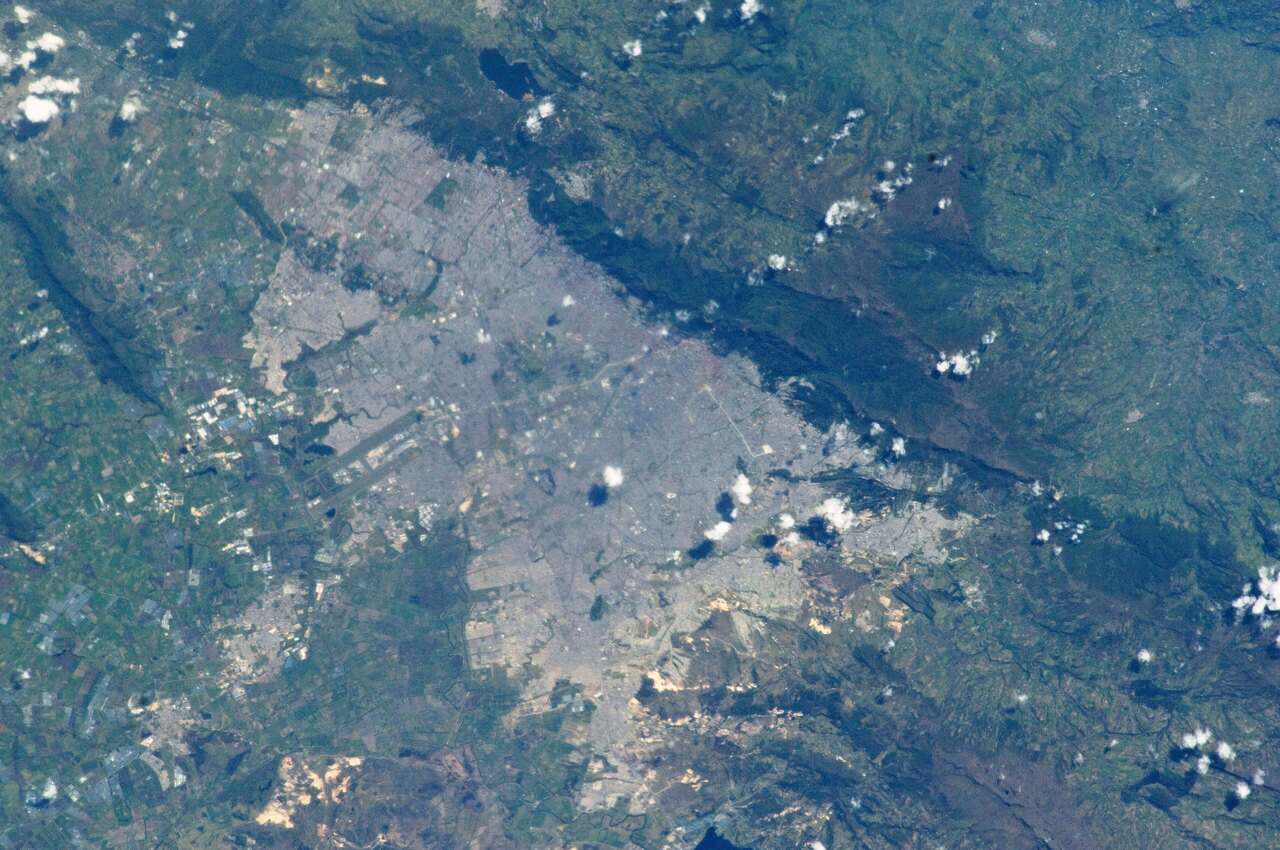
Bogota is a long city running north-south between the mountains (the Cerros Orientales are always to the east). The TransMilenio bus rapid transit needs a TuLlave card and is cheap but packed at rush hour. For visitors, ride-hailing apps are the simplest: La Candelaria to Chapinero costs about COP 15,000-25,000. From El Dorado Airport, a taxi to the centre takes 30-60 minutes depending on traffic (about COP 35,000-50,000). A first metro line is under construction for around 2028.
What to eat in Bogota
Bogota's own dishes are mountain food: ajiaco soup, tamales santafereños wrapped in banana leaf, and changua (milk and egg breakfast soup). Arepas and empanadas cost COP 3,000-6,000 from street stalls. A corrientazo or menu del dia (soup, main, juice) is COP 15,000-25,000 at lunchtime. Fresh fruit juices made with water or milk are everywhere. Drink proper Colombian coffee at specialty roasters in Chapinero and La Candelaria. For dessert, try obleas (wafers with arequipe caramel) sold near the Monserrate entrance.
Best time to visit
Bogota is spring-like all year: highs of about 18-20°C and nights of 6-9°C. The drier months are December to March and July to August; April-May and October-November bring afternoon rain. Bring a warm layer and a rain jacket at any season. Christmas and Easter weeks are quieter in the city as locals travel.
Month-by-month weather for Bogota →
What a day costs
| Budget | Mid-range | Comfort | |
|---|---|---|---|
| Bed (per person, sharing a double) | COP 55,000 | COP 140,000 | COP 350,000 |
| Food & drink | COP 50,000 | COP 110,000 | COP 250,000 |
| Sights & tickets | COP 15,000 | COP 50,000 | COP 120,000 |
| Local transport | COP 10,000 | COP 35,000 | COP 80,000 |
| Total per person, per day | about COP 130,000 | about COP 335,000 | about COP 800,000 |
Approximate 2026 prices in Colombian pesos (about COP 4,000 to the US dollar); the Zipaquira day adds about COP 110,000 entry plus transport.
Before you go
Common questions
Is Bogota safe for tourists?
It is manageable with care. The main risks are phone theft and robbery after dark, especially in La Candelaria and downtown streets that empty at night. Keep phones out of sight on the street, use ride-hailing apps instead of street taxis, and stay in Chapinero, Usaquen or the Zona T if you plan to go out late.
Will the altitude make me sick?
Most people only feel mild symptoms: shortness of breath on stairs, a light headache or poor sleep for a night. Drink plenty of water, go easy on alcohol and coffee the first day, and do the walking-heavy La Candelaria at a slow pace. Coca tea is sold locally. Climb Monserrate on foot only after a day or two.
Which museums are free in Bogota?
The Botero Museum and the neighbouring Museo de Arte Miguel Urrutia are free every day except Tuesdays when they close. The Gold Museum costs about COP 5,000 and is free on Sundays, which makes it very busy. The Museo Nacional, in a former prison, also has free days; check the opening calendar before going.
How many days do I need in Bogota before Cartagena or Medellin?
Two to three. Bogota's El Dorado is Colombia's main hub, so most itineraries begin or end here anyway. Domestic flights to Cartagena take about 1h30 and to Medellin about 1h, and fares are often low on Avianca, LATAM or the budget airlines if booked early.
How this guide was made
Compiled by TonyPlan from official tourism, transport and attraction sources and on-the-ground travel knowledge. Prices are approximate for 2026 and change with season; anything we could not confirm is marked as approximate.
Some links on this page are partner links. If you book through them TonyPlan may earn a commission; the price you pay is the same. How we make money.