Home › Food tours › Bogota
Food tours in Bogota: what to eat and which tour to book
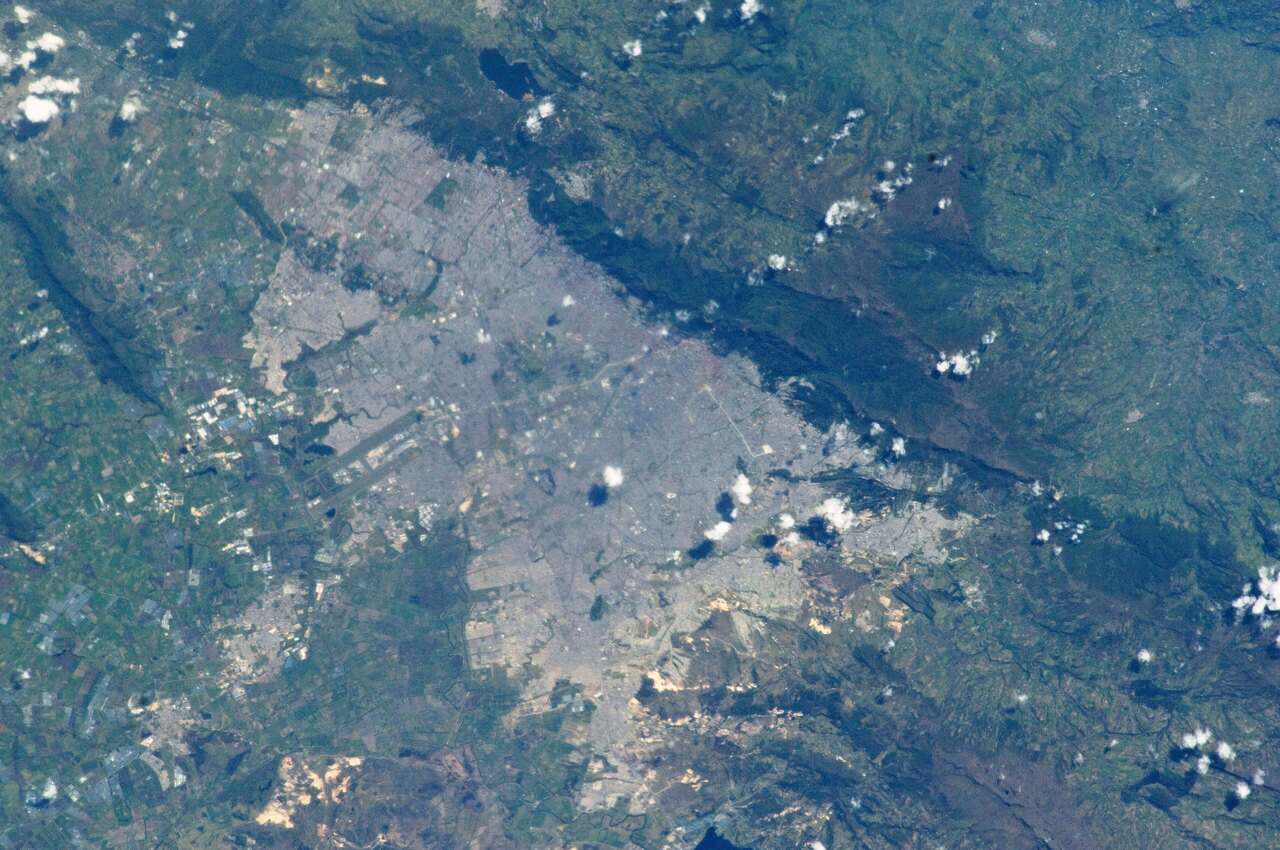
At 2,600 metres, Bogotá eats for the cold: ajiaco (chicken and potato soup with guascas herb), changua (milk and egg soup) for breakfast, tamales wrapped in banana leaves, and hot chocolate served with a slice of cheese to drop into the cup. Because the country produces fruit at every altitude, Bogotá's markets also sell an enormous range of tropical and Andean fruit, much of it unknown outside Colombia. The best places to see this are the plazas de mercado: Paloquemao, the city's main market, and smaller neighbourhood markets such as La Perseverancia, where cooks serve ajiaco and other traditional dishes at lunch.
Use this page to know what to order and where. The tours shown are real GetYourGuide listings, with prices as they appeared when we checked; confirm the current price on the booking page before you pay.
What to eat in Bogota
| Dish | What it is | Where to eat it | Typical price* |
|---|---|---|---|
| Ajiaco santafereño ajiaco | Bogotá's signature soup: chicken and three kinds of potato cooked until the small yellow potatoes dissolve and thicken it, flavoured with guascas (a local herb). Served with corn on the cob, cream, capers, avocado and rice on the side. | Traditional restaurants in La Candelaria and the plazas de mercado, especially at lunch. | roughly COP 25,000–45,000 (€5.50–10) |
| Hot chocolate with cheese chocolate santafereño | Hot chocolate served with a slice of soft white cheese, which you drop into the cup to melt, plus bread, almojábana or a buñuelo. A traditional afternoon snack (onces). | Old cafés and bakeries in La Candelaria and the centre. | roughly COP 10,000–20,000 (€2.20–4.40) with bread and cheese |
| Tolima tamal tamal tolimense | A large tamal of corn dough with pork, chicken, egg, rice, peas and carrots, wrapped and steamed in banana leaves. Eaten for breakfast, especially at weekends, with hot chocolate. | Bakeries and traditional cafés, market eateries. | roughly COP 10,000–20,000 (€2.20–4.40) |
| Milk and egg soup changua | A breakfast soup of milk and water with a poached egg, spring onion and coriander, with a piece of stale bread (calado) soaked in it. Simple, and very much a Bogotá dish. | Traditional breakfast places and market eateries. | roughly COP 8,000–15,000 (€1.80–3.30) |
| Cheese breads almojábana / pandebono / pan de yuca | Small breads made with cheese and corn or cassava starch, warm from the oven. Almojábana is soft and slightly sweet, pandebono chewier. | Bakeries everywhere. | roughly COP 2,000–4,500 (€0.45–1) each |
| Andean and tropical fruit lulo, uchuva, granadilla, pitahaya, feijoa, curuba | Fruit you rarely find abroad: lulo (sour, green, used in juice), uchuva (cape gooseberry), granadilla (sweet passion fruit), yellow pitahaya, feijoa and curuba. Most are drunk as fresh juice. | Fruit sections of Paloquemao and neighbourhood markets; juices in every café and restaurant. | roughly COP 4,000–10,000 (€0.90–2.20) for a juice |
| Stuffed roast pork lechona | A whole pig stuffed with rice, peas and pork and roasted for many hours, from the Tolima region. Served by the portion with arepa and crackling skin. | Lechonerías and market eateries, often at weekends. | roughly COP 20,000–35,000 (€4.40–7.70) a plate |
| Fried mixed platter fritanga / picada | A shared platter of grilled and fried meats, morcilla, chorizo, chicharrón, potatoes (papa criolla) and arepa, eaten with ají. | Street grills and fritanga restaurants, often at weekends. | roughly COP 40,000–80,000 (€9–18) for a platter for two |
Where to eat: markets and neighbourhoods
Plaza de Mercado de Paloquemao
One of Colombia's principal markets, in the Los Mártires area west of the centre: hundreds of stalls of fruit, vegetables, meat, fish and herbs, plus eateries serving breakfast, tamales and lunch. The flower market at the front is busiest very early in the morning.
Plaza de Mercado La Perseverancia
A small neighbourhood market near the centre known for its cooks serving ajiaco, sancocho and other traditional Colombian dishes at shared tables. Popular with locals and visitors at lunch.
La Candelaria
The colonial centre, with old cafés serving chocolate santafereño, traditional ajiaco restaurants and street vendors selling fruit, obleas and chicha (fermented corn drink), especially around Chorro de Quevedo.
Zona G and Quinta Camacho
North of the centre, Zona G ('G' for gourmet) and the brick houses of Quinta Camacho are where many of Bogotá's best restaurants and cafés are, from modern Colombian to international.
Usaquén
Former village in the north with a plaza surrounded by restaurants and a Sunday flea market where vendors also sell snacks, arepas and sweets.
Food tours in Bogota compared
Every tour below is a real listing on GetYourGuide or Viator, checked on 2 Oct 2026. Prices move with season and group size, so treat them as a guide and confirm on the booking page.
| Tour | Length | Price* | Group | Best for | |
|---|---|---|---|---|---|
| Bogota Food Tour with over 12 Tastings & Tejo | 4 hours | from €49 per person | max 8 | Travellers who want to cook the dishes again at home; easiest option for dietary needs, since you control the ingredients. | Check dates |
| Bogotá Food Experience: Cultural & Culinary Tour | 4 hours | from €32 per person | — | First-timers who want a broad tasting of the classics with a local guide. | Check dates |
| Shared Tour Bogota's Street Local Food | 2.5 hours | from €17 per person | — | First-timers on a budget who want to try many cheap dishes in one go. | Check dates |
| Bogotá: Botanical Garden Sightseeing Tour and Visit to the Paloquemao Market with Fruit | 4 - 5 hours | from €58 per person | private | Couples, families or friends who want the route and pace set around them. | Check dates |
| Bogotá: Paloquemao Market Tour with Fruit Tasting | — | from €39 per person | max 8 | Morning people who want to see where locals shop and taste produce at the source. | Check dates |
Bogota Food Tour with over 12 Tastings & Tejo
On GetYourGuide · run by A Chef's Tour
- Length
- 4 hours
- Price
- from €49 per person
- Rating
- 4.9 ★ from 568 reviews (on 2 Oct 2026)
- Group size
- max 8
- Suits
- Travellers who want to cook the dishes again at home; easiest option for dietary needs, since you control the ingredients.
Bogotá Food Experience: Cultural & Culinary Tour
On GetYourGuide · run by THE TRUE COLOMBIAN EXPERIENCE
- Length
- 4 hours
- Price
- from €32 per person
- Rating
- 4.9 ★ from 525 reviews (on 2 Oct 2026)
- Suits
- First-timers who want a broad tasting of the classics with a local guide.
- Starts
- The Cranky Croc Hostel
Shared Tour Bogota's Street Local Food
On GetYourGuide · run by Beyond Colombia
- Length
- 2.5 hours
- Price
- from €17 per person
- Rating
- 4.6 ★ from 30 reviews (on 2 Oct 2026)
- Included
- English-speaking tour guide Accurate and objective knowledge of Colombian gastronomic history. We promise not to take sides. Hotspots for local food in the historic center of Bogota (Candelaria). Benefits and discount…
- Suits
- First-timers on a budget who want to try many cheap dishes in one go.
- Starts
- Find us right in front of the Museo del Oro with our red umbrellas by Beyond Colombia!
Bogotá: Botanical Garden Sightseeing Tour and Visit to the Paloquemao Market with Fruit
On GetYourGuide · run by Local Tours Colombia
- Length
- 4 - 5 hours
- Price
- from €58 per person
- Rating
- 5.0 ★ from 4 reviews (on 2 Oct 2026)
- Group size
- private
- Included
- Bilingual tour guide Tour in Paloquemado Fruit tasting Tickets to the Botanical Garden of Bogotá Visit to the Tropicario glass greenhouse Transportation from the Garden to the market Hotel transportation service (only…
- Suits
- Couples, families or friends who want the route and pace set around them.
- Starts
- Meeting point may vary depending on the option booked.
Bogotá: Paloquemao Market Tour with Fruit Tasting
On GetYourGuide · run by Guaca Tours
- Price
- from €39 per person
- Rating
- 5.0 ★ from 3 reviews (on 2 Oct 2026)
- Group size
- max 8
- Included
- Guided visit to Paloquemao Market (Bogotá’s most iconic fruit market) Tasting of more than 15 exotic Colombian fruits Information about the health benefits of each fruit Explanation of the traditional cultural uses of…
- Suits
- Morning people who want to see where locals shop and taste produce at the source.
- Starts
- Plaza de Mercado Paloquemao
Some links on this page are partner links. If you book through them TonyPlan earns a small commission — the price you pay is exactly the same.
Street food, sit-down or a cooking class?
Street food
Bogotá street food is mainly snacks: arepas, empanadas, obleas, fruit cups, mazorca (grilled corn) and, at the weekend, fritanga grills. Fruit carts are everywhere in the centre. The cold climate means hot drinks (tinto, hot chocolate, aguapanela) are sold from thermoses on the street all day.
Sit-down meals
Lunch is the main meal; the corrientazo (set lunch) of soup, a main plate and a juice is cheap and filling. For ajiaco, go to a traditional restaurant or a market at lunchtime. Bogotá also has a serious modern restaurant scene in Zona G, Quinta Camacho and Chapinero.
Cooking classes
Cooking classes in Bogotá typically include a visit to Paloquemao to taste fruit and buy ingredients, followed by making ajiaco, empanadas or arepas. Morning start times match the market's best hours.
How much to budget for food
| Style | Per person, per day* |
|---|---|
| Budget (street food, markets) | roughly COP 50,000–80,000 / €11–18 (bakery breakfast, corrientazo lunch, street snacks) |
| Mid-range (one sit-down meal a day) | roughly COP 120,000–200,000 / €26–44 (market lunch, restaurant dinner with drinks) |
| Splurge (tasting menus, wine) | roughly COP 350,000+ / €77+ (tasting menu in Zona G or Chapinero) |
Vegetarian, halal and gluten-free
Vegetarian & vegan: Possible with planning. Traditional dishes usually contain meat (ajiaco has chicken, beans often have pork), but arepas, cheese breads, changua, fruit and juices are vegetarian. Chapinero and La Candelaria have vegetarian and vegan restaurants. Ask 'tiene carne?'.
Halal: Very limited. Pork is common in tamales, lechona and fritanga, and halal-certified restaurants are rare. A few Middle Eastern restaurants exist in the north of the city; ask about certification.
Gluten-free: Many staples are corn or potato based, so arepas, ajiaco, potatoes and rice are naturally gluten-free. Almojábanas and pandebono are usually corn and cassava based, but some include wheat flour. Coeliac awareness is limited in traditional places; say 'sin gluten, soy celíaco'.
Food scams and tourist traps to avoid
- Fruit sellers at Paloquemao and in La Candelaria offering tastings, then cutting a large bag of exotic fruit and charging a high tourist price. Ask the price per unit or per kilo and the total before they cut anything, and buy only what you want.
- Drinks spiked with scopolamine, especially after meeting people on dating apps or in bars, followed by robbery. Watch your drink, don't accept drinks or food from strangers, and meet new acquaintances in busy public places.
- Fake police officers asking to check your money or cards on the street, sometimes after a stranger approaches you. Real police do not ask to inspect your cash. Walk into a shop or restaurant and refuse to hand anything over.
- Taxis hailed on the street that overcharge or take a long route, especially from restaurant areas at night. Use ride-hailing apps or ask the restaurant to call a registered taxi.
Top tours & activities in Bogota
Rent a car in Bogota
Compare rental cars from local and international companies, with free cancellation on most bookings.
Compare car rentals in BogotaPlan the rest of your Bogota trip
Staying near the markets saves time and taxi money — most food tours start in the old centre.
Common questions
When is the best time to visit Paloquemao?
Early morning. The market opens very early, the flower section is busiest at dawn, and the food stalls are at their best before about 11:00. Weekends are livelier. Go by taxi or app rather than walking, and keep valuables close inside. Check current hours, as they may differ on Sundays and holidays.
Do I need to tip in Bogotá?
Restaurants usually suggest a 10% 'propina voluntaria' (voluntary tip) and ask whether you want it included. You can accept or decline; no extra tip is expected. At bakeries, markets and street stands, tipping is not expected. On food tours, a tip for a good guide is appreciated.
Why do people put cheese in hot chocolate?
It is a local tradition: chocolate santafereño comes with a slice of soft white cheese that you drop into the cup to melt, then eat with a spoon. It is served with bread or almojábana in the afternoon (onces) or at breakfast. Old cafés in La Candelaria are the classic place to try it.
Is street food safe?
Generally yes, if you choose busy stalls where food is cooked hot. Bogotá's tap water is treated and considered drinkable, though some visitors prefer bottled water. The altitude can affect appetite in the first day or two, so start with lighter dishes.
How much should I budget for food per day?
On a budget, about COP 50,000–80,000 (€11–18) covers bakery breakfast, a corrientazo and snacks. With a market lunch and a sit-down dinner with drinks, plan roughly COP 120,000–200,000 (€26–44). Top restaurants in Zona G and Chapinero cost from about COP 200,000 per person before drinks.
What is ajiaco and where should I try it?
Ajiaco is Bogotá's chicken and potato soup, thickened by small yellow potatoes and flavoured with guascas, a local herb. You add cream, capers and avocado at the table. Traditional restaurants in La Candelaria serve it every day, and the cooks at neighbourhood markets such as La Perseverancia serve it at lunch.
* Prices are approximate, gathered on 2 Oct 2026 from menus, markets and the booking pages linked above. They change with season and exchange rates.