Czech Republic

Plan your Czech Republic
trip with AI

Get a complete personalized itinerary in seconds. Hotels, flights, activities and hidden gems — all planned by Tony AI.

Plan my Czech Republic trip →

Why visit Czech Republic?

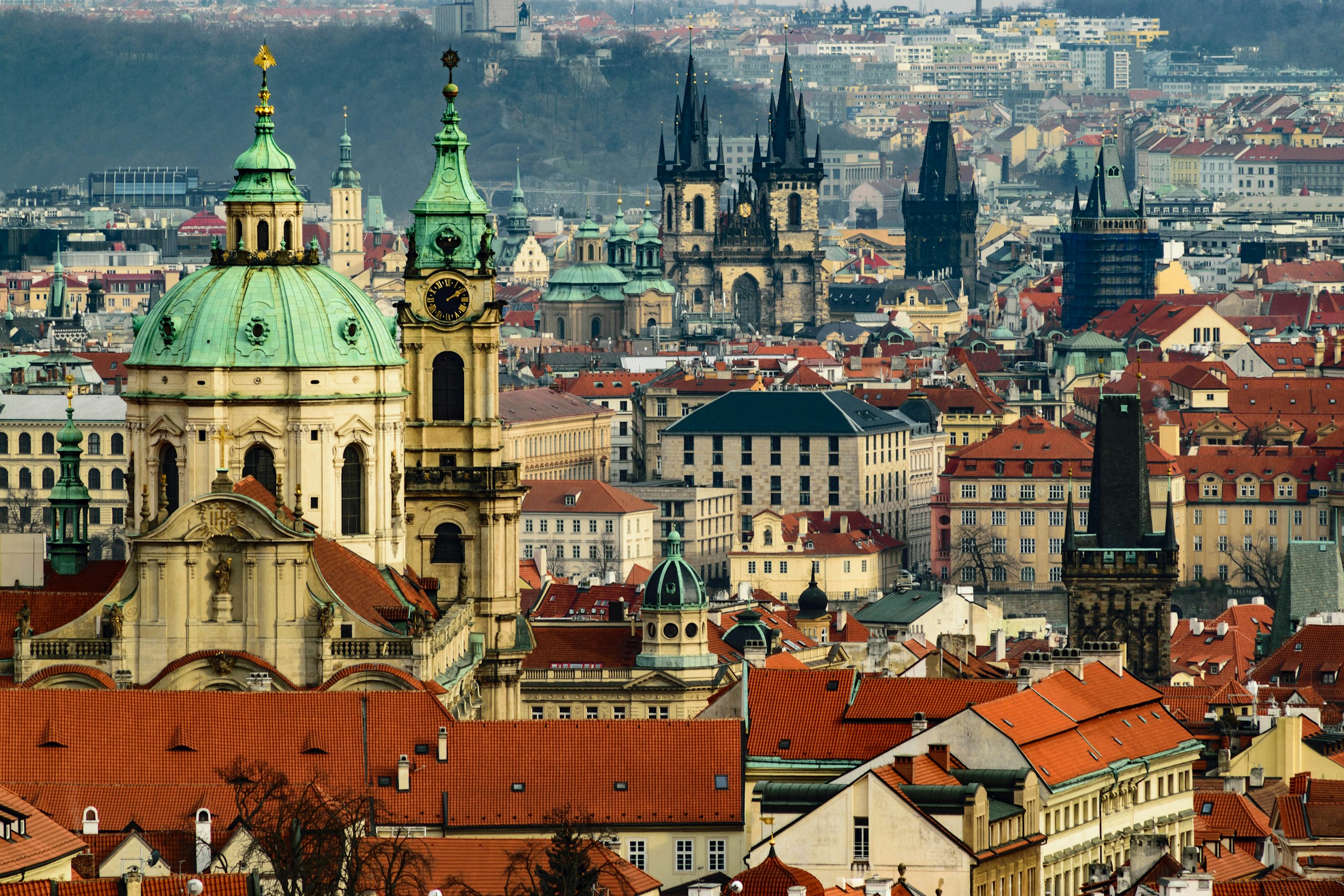
Fairy-tale spires, hearty beer and centuries of history await in the heart of Europe. Prague steals hearts with its astronomical clock, the sprawling castle above the Vltava, the statue-lined Charles Bridge and the winding lanes of the old town. Beyond the capital, the UNESCO-listed town of Cesky Krumlov curls around a river beneath a grand chateau, while the elegant spa town of Karlovy Vary pours healing mineral waters. Sample the world's finest pilsner in Plzen, birthplace of the style, tour Moravia's rolling vineyards, or explore the eerie bone chapel of Kutna Hora. Gothic cathedrals, baroque palaces and cosy beer halls make the Czech Republic wonderfully atmospheric and remarkably affordable. It is compact and easy to traverse, ideal for a rich week or two. Rather than decide how to balance Prague with its charming countryside, let Tony plan it: our AI weaves together castles, spa towns and beer trails tailored to your interests. Tell Tony your dates and tastes, and he crafts a personalised Czech itinerary that flows smoothly from Prague's spires to Bohemian villages and Moravian vineyards, timing everything for the very best experience.

Beaches & nature

Landlocked but laced with river valleys, forest lakes and dramatic sandstone rock towns.

Local cuisine

Roast pork with dumplings, goulash, hearty svickova and world-famous Czech pilsner beer.

Best time

May to September for warm weather; December for magical Christmas markets.

Plan your Czech Republic trip with Tony AI

Tony AI creates personalized day-by-day itineraries based on your budget, travel style and interests. No more hours of research — get your perfect Czech Republic plan in seconds.

Book your Czech Republic trip

Everything for your Czech Republic trip

Book flights, stays, tours and more — all in one place

More options: Kiwi.com · Oojo · seats.aero · Arangrant · eSky · lastminute.com · Megabon · QEEQ · AutoEurope · Hertz · GetTransfer · Suntransfers · Saily · Yesim · GigSky · Klook · EF Ultimate Break · EF Adventures · AirHelp Plus · CruiseDirect · Travelpro

Travel insurance for Europe & Schengen tripsAffiliate partner – we may earn a commission
Compare prices →

Popular experiences in Czech Republic

The things travellers book most here. You pay the same price as booking direct.

Top tours & activities in Czech Republic

Rent a car in Czech Republic

Compare rental cars from local and international companies, with free cancellation on most bookings.

Compare car rentals in Czech Republic
Start planning with Tony →

When to go to Czech Republic

The best months for Czech Republic are April, May, June, September and October. Highs then range from 12°C to 25°C, crowds are high at peak, and a week here is cheap.

Jan
4°
low -1°
14 wet days
Feb
6°
low -2°
13 wet days
Mar
10°
low 0°
10 wet days
Apr
12°
low 2°
12 wet days
May
19°
low 9°
11 wet days
Jun
25°
low 14°
11 wet days
Jul
26°
low 15°
12 wet days
Aug
24°
low 15°
14 wet days
Sep
21°
low 11°
8 wet days
Oct
17°
low 7°
10 wet days
Nov
8°
low 2°
11 wet days
Dec
5°
low -1°
14 wet days
Highlighted = best monthsNumber = average daytime highBar = how wet the month is

Temperatures and wet days are measured, not estimated: ERA5 reanalysis for 2021-2023, at Prague. Source: Open-Meteo.

Planning Czech Republic

Best time to visit Czech RepublicMonth by month, measuredWhere to stay in Czech RepublicWhich area suits youHow many days you needWhat fits in a short or long stay

Czech Republic: practical tips

Getting in, getting around and what a day costs — checked by our editors.

Arriving by air

The primary international gateway is Vaclav Havel Airport Prague PRG. It is the main hub for long-haul and regional arrivals. Upon landing, travellers typically reach the city centre using express bus lines connecting to the metro system or by utilizing frequent public shuttle buses and taxis. Regional airports in cities like Brno and Ostrava serve fewer international routes, with most visitors preferring to arrive in Prague and continue their journey via the extensive national rail network.

Getting around

The country possesses one of the densest rail networks in Europe, making trains the most efficient way to travel between major cities and regions. Within towns, integrated public transport systems featuring trams, buses, and trolleybuses are highly reliable. Major cities are very walkable, and driving is generally unnecessary for urban visits, though car rentals offer flexibility for those wishing to explore rural landscapes and mountain regions.

Where to base yourself

  • Prague — history enthusiasts and architecture lovers seeking iconic landmarks and a rich cultural nightlife scene.
  • Cesky Krumlov — travellers wanting a fairytale aesthetic with narrow winding streets and a stunning medieval river setting.
  • Moravian Wine Region — wine connoisseurs and cyclists looking for rolling vineyards and traditional cellar paths in rural settings.
  • Bohemian Switzerland — nature seekers and hikers interested in unique sandstone rock formations and dense forest trails.

Full guide to where to stay in Czech Republic →

What a day costs

Budget€60–80
Mid-range€90–140
Comfort€150+

Per person per day, excluding flights. A rough guide, not a quote.

Money and tipping

The official currency is the Czech koruna CZK. While credit and debit cards are widely accepted in cities, hotels, and retail outlets, carrying some physical cash remains useful for smaller vendors or rural areas. Tipping is common in hospitality settings, where it is customary to round up the bill or add approximately ten percent for good service.

More questions about Czech Republic

How many days do you need in Czech Republic?

A minimum of five to seven days is recommended for a first visit. This duration allows for three days to explore the historical sights of the capital city, followed by two to four days to venture into regional hubs or natural parks. Extending your trip to ten days enables a more relaxed pace and deeper exploration of the countryside.

Is Czech Republic safe for tourists?

The country is widely considered very safe for international tourists. Crime rates are low, and violent crime is extremely rare. Visitors should exercise standard caution regarding pickpocketing in crowded tourist hotspots, especially in the capital. Otherwise, travellers can freely explore cities and rural areas during the day or night without significant concern for their personal security or wellbeing.

Is English widely spoken in Czech Republic?

English is spoken fluently by staff in most tourism-related industries, including hotels, museums, and major transport hubs. Younger generations in larger cities are generally proficient in English. However, outside of the main tourist centres or when interacting with older locals, communication may be more challenging. Learning a few basic phrases in the local language is always appreciated by residents.

Can you drink the tap water in Czech Republic?

The tap water throughout the country is perfectly safe and of high quality. It meets strict European health standards and is consistently monitored. Residents and visitors regularly drink directly from the tap without filtration or boiling. Bringing a reusable bottle is a convenient and environmentally friendly way to stay hydrated while travelling throughout all regions of the nation.

Which places should first-time visitors see in Czech Republic?

First-time visitors should prioritize the capital city for its extensive historical architecture. Afterward, head south to explore the preserved medieval charm of the riverfront town of Cesky Krumlov. Include a trip to the historic spa towns or the sandstone landscapes of the north for a balance of cultural immersion and outdoor activity. These destinations showcase the diverse character of the nation.

Czech Republic — common questions

When is the best time to visit Czech Republic?

The best months for Czech Republic are April, May, June, September and October. Highs then range from 12°C to 25°C, crowds are high at peak, and a week here is cheap.

What is the weather like in Czech Republic?

July is the warmest month, with daytime highs around 26°C. January is the coolest, around 4°C by day and -1°C at night. January is the wettest, with about 14 wet days. Figures are measured averages, not estimates.

What is Czech Republic known for?

Czech Republic is best known for city life, history, culture, architecture and food. The things people come for: Prague's astronomical clock, Charles Bridge, and Kutna Hora bone chapel.

Who is Czech Republic best suited to?

Czech Republic works particularly well for couples, first-time visitors, photographers and older travellers. That is based on what there is to do there, not on who books it most.

What can you book in advance in Czech Republic?

The experiences that sell out first are food tours, cooking classes, day trips, skip-the-line tickets, walking tours and night tours. You can check availability and prices on our booking partners below — you pay the same as booking direct.

Do I need a visa for Czech Republic?

That depends on your passport and how long you are staying, so there is no single answer. TonyPlan has a visa and entry checker — put in your nationality and it tells you what applies to you.

Get the Czech Republic guide as a PDF

Why to go, the best months with real measured temperatures, which area to stay in, and what flights cost right now — in one file you can read on the plane. Free.

We will also send new guides and itineraries as we publish them. No fixed schedule, and you can unsubscribe from any email.

Planning Czech Republic?

Best time to visitIs it expensive?On a budgetIs it safe?How many days

Free tools for your Czech Republic trip

Budget calculatorPacking listFlight time & jet lagTrip countdown