Home › Reykjavik › How many days
How many days in Reykjavik? 4 days: the city, the Golden Circle and the south coast
By Tony Panopoulos · travel-agency planner in Greece · Updated
Reykjavik itself takes a day; the reason to come is what lies within 2-3 hours' drive. With four days, base yourself in the capital and do one day in town, one on the Golden Circle, one along the south coast to the black beach at Vík, and one at a geothermal lagoon and the Reykjanes peninsula. Rent a car or book small-group tours: there are almost no public buses to the sights. Weather changes hourly, so keep plans flexible and check road.is and vedur.is every morning.
Short answer
Three days covers Reykjavik, the Golden Circle and the south coast. The fourth gives a lagoon day and a buffer for bad weather, which in Iceland you will probably need.
The 4-day plan, day by day
Day 1: Reykjavik
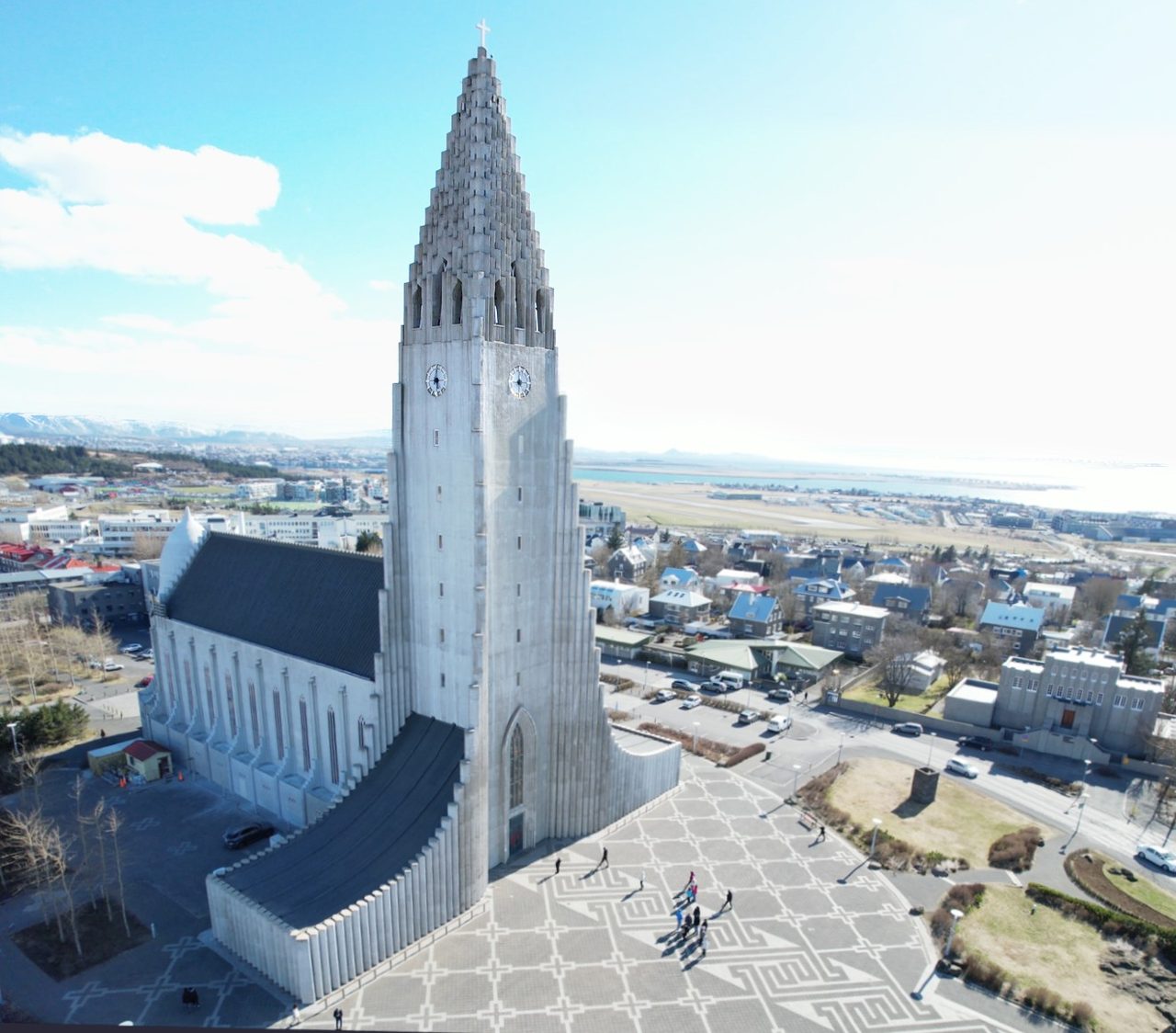
Morning. Go up the tower of Hallgrímskirkja (a lift and a small fee), the basalt-column church, for the view over the coloured roofs. Walk down Skólavörðustígur, the rainbow-painted street, to Laugavegur, the main shopping street.
Afternoon. Visit Harpa, the glass concert hall on the harbour (free to walk in), and the Sun Voyager sculpture along the seafront path. The National Museum or the small Saga Museum in the Old Harbour explain the Viking settlement. From the Old Harbour, whale-watching boats leave daily (about ISK 12,000-14,000, 3 hours).
Evening. Swim with locals in a public pool: Sundhöll or Vesturbæjarlaug cost about ISK 1,300-1,500, with hot tubs at 38-42°C. Dinner on Laugavegur or at the Grandi harbour food hall.
Showering naked before entering any Icelandic pool is compulsory and checked by attendants.
Day 2: The Golden Circle
Morning. Drive about 45 minutes to Þingvellir National Park, where Iceland's parliament first met in 930 and where you can walk between the North American and Eurasian plates in the Almannagjá rift. Parking costs a small fee; divers and snorkellers can book the clear-water Silfra fissure.
Afternoon. Drive about 1 hour to Geysir, where Strokkur erupts every 5-10 minutes up to 20 metres (free). Then 10 minutes to Gullfoss, a two-step waterfall dropping 32 metres into a canyon (free).
Evening. On the way back, stop at Kerið, a red volcanic crater with a lake (small entry fee), or soak at the Secret Lagoon in Flúðir. Total driving: about 230-250 km.
Do the circle anticlockwise, starting at Gullfoss in the morning, to reach Þingvellir after the tour buses have left.
Day 3: The south coast to Vík
Morning. Drive the Ring Road east, about 1h45, to Seljalandsfoss, a 60-metre waterfall you can walk behind (bring waterproofs), and Gljúfrabúi, hidden in a canyon 500 metres away. Then 30 minutes to Skógafoss, with 527 steps to a viewpoint at the top.
Afternoon. Continue to Reynisfjara, the black-sand beach with basalt columns and sea stacks, and the village of Vík, 180 km from Reykjavik. Lunch in Vík; it is the halfway point.
Evening. Drive back (about 2h30) or, better, stay a night near Vík and add the Sólheimajökull glacier walk with a guide the next morning.
Reynisfjara's sneaker waves have killed visitors. Never turn your back on the sea and stay well back from the water's edge, even on calm days.
Day 4: Lagoon and the Reykjanes peninsula
Morning. Book a geothermal lagoon: the Sky Lagoon in Kópavogur (15 minutes from the centre, ocean-edge infinity pool, from about ISK 10,000-12,000) or the Blue Lagoon near the airport. Volcanic eruptions on the Reykjanes peninsula have closed the Blue Lagoon at times, so check the official site.
Afternoon. If roads are open, explore the Reykjanes coast: the Bridge Between Continents, the Gunnuhver geothermal area and the lighthouse cliffs. Check safetravel.is for eruption closures first.
Evening. From September to April, drive 20-30 minutes out of the city's lights to hunt the northern lights if the aurora forecast (vedur.is) shows activity and clear skies.
Book the Blue Lagoon for the day you fly; it is 20 minutes from Keflavík airport and has luggage storage.
Only have 3 days?
With 3 days, do Days 1, 2 and 3, and fit a lagoon visit into the evening of Day 1 or the way to the airport.
Got extra days?
With more time, drive further east to Jökulsárlón, the glacier lagoon with icebergs and Diamond Beach (about 5 hours from Reykjavik), or west to the Snæfellsnes peninsula and Kirkjufell mountain (about 2.5 hours).
Where to stay in Reykjavik
| Budget | Area | Why | Typical double/night |
|---|---|---|---|
| Budget | Guesthouses outside 101 | Cheaper, a short bus ride or walk to the centre; shared bathrooms common. | ISK 18,000-28,000 |
| Mid-range | 101 Reykjavik (centre) | Walk to Laugavegur, Harpa and tour pick-ups. | ISK 30,000-45,000 |
| Mid-range | South coast farm hotels (Hella, Vík) | Break the south-coast drive, darker skies for aurora. | ISK 30,000-45,000 |
| Comfort | Harbour design hotels | Sea views, spas, near Harpa. | ISK 55,000-110,000 |
Getting around
Reykjavik's centre is walkable. Outside it, rent a car (from about ISK 10,000-15,000 a day in summer; 4x4 needed only for highland F-roads, which are closed most of the year) or join tours with hotel pick-up. From Keflavík airport (50 km), the Flybus takes about 45 minutes (around ISK 3,500-4,500). Fuel is expensive, and many petrol stations are self-service with card and PIN.
What to eat in Reykjavik
Reykjavik's famous cheap meal is a hot dog from Bæjarins Beztu Pylsur by the harbour (about ISK 800-900), ordered 'eina með öllu', with everything: raw and fried onions, ketchup, sweet mustard and remoulade. Try Icelandic lamb, grass-fed and free-roaming, in kjötsúpa (lamb soup, about ISK 3,000), fresh cod and arctic char, and skyr, the thick cultured dairy, in everything from breakfast to cheesecake. The adventurous can taste hákarl (fermented shark) and brennivín schnapps at the Kolaportið flea market. Supermarkets like Bónus (the pink pig sign) are the way to keep costs down: alcohol is sold only in state Vínbúðin shops.
Best time to visit
June to August for midnight sun (almost 24 hours of daylight), open highland roads and highs of 12-15°C. September to March for the northern lights, with fewer visitors but short days (4-5 hours of light in December) and storms that close roads. September and early October combine aurora chances with milder weather.
Month-by-month weather for Reykjavik →
What a day costs
| Budget | Mid-range | Comfort | |
|---|---|---|---|
| Bed (per person, sharing a double) | ISK 10,000 | ISK 18,000 | ISK 40,000 |
| Food & drink | ISK 6,000 | ISK 12,000 | ISK 25,000 |
| Tours, lagoons & parking | ISK 4,000 | ISK 12,000 | ISK 25,000 |
| Car (share) & fuel | ISK 6,000 | ISK 9,000 | ISK 18,000 |
| Total per person, per day | about ISK 26,000 | about ISK 51,000 | about ISK 108,000 |
Approximate 2026 prices in Icelandic krónur (very roughly ISK 145-150 to €1). Iceland charges a small per-night accommodation tax, usually included in the price.
Before you go
Common questions
Do I need a car?
Not for Reykjavik, but it is the easiest way to see the Golden Circle and south coast at your own pace. Tours are a good alternative in winter, when roads can be icy.
When can I see the northern lights?
From about September to April, on dark, clear nights with aurora activity. Check the forecast on vedur.is and get away from city lights.
Blue Lagoon or Sky Lagoon?
Blue Lagoon for the milky-blue water and convenience on the way to the airport; Sky Lagoon for the ocean view, the seven-step ritual and its location near the city.
Is Iceland expensive?
Very. Save with supermarket food, a refillable bottle (tap water is excellent), hot-dog lunches and free sights like waterfalls and Geysir.
How this guide was made
Written by hand, without AI, from experience planning Iceland trips. Prices, lagoon status and road conditions are approximate for 2026 and change; check vedur.is, road.is, safetravel.is and the official lagoon websites before you go.
Some links on this page are partner links. If you book through them TonyPlan may earn a commission; the price you pay is the same. How we make money.