How many days in Japan? 9 days for Tokyo, Hakone, Kyoto, Nara and Osaka
By Tony Panopoulos · travel-agency planner in Greece · Updated
The classic first trip to Japan is the Golden Route: Tokyo, Mount Fuji's lakes and hot springs, Kyoto and Osaka, all linked by the Shinkansen. Nine days is the sweet spot: three in Tokyo, one night in a Hakone ryokan, three in Kyoto with a half-day in Nara, and a last night eating your way through Osaka before flying out of Kansai airport. Fly into Tokyo and out of Osaka so you never backtrack.
Short answer
Seven days covers Tokyo (3), Kyoto (3) and an evening in Osaka. Nine adds a Hakone onsen night with Fuji views and an unhurried day in Nara.
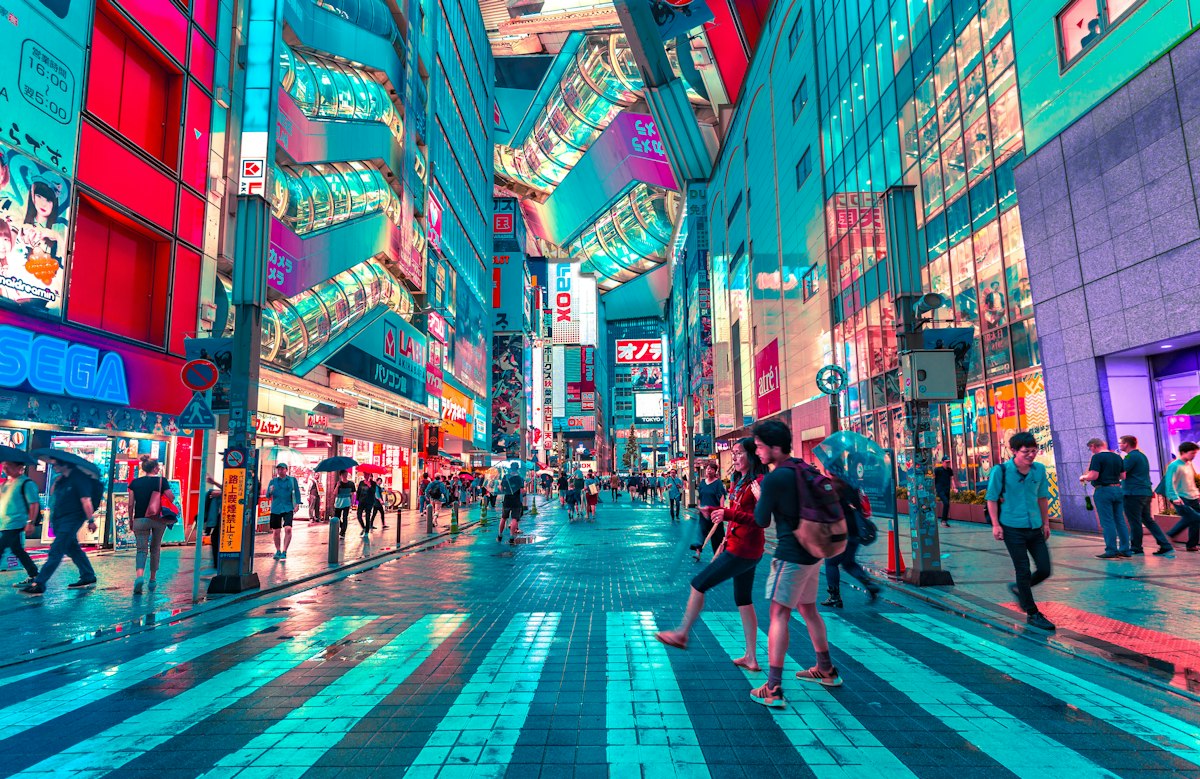
The 9-day plan, day by day
Day 1: Tokyo: Asakusa and Ueno
Morning. Visit Senso-ji, Tokyo's oldest temple, before 8:00 and walk the Nakamise shopping street as it opens. A boat on the Sumida River or a 30-minute walk leads to the Tokyo Skytree (about ¥2,100-3,500).
Afternoon. Spend the afternoon in Ueno Park: the Tokyo National Museum (about ¥1,000) and the street-food lane of Ameyoko under the tracks.
Evening. Take the Yamanote line to Shinjuku for the yakitori bars of Omoide Yokocho, then the tiny bars of Golden Gai.
Get a Suica card on your phone wallet on day one; it works on every train and in convenience stores.
Day 2: Tokyo: Meiji Jingu, Harajuku and Shibuya
Morning. Walk through the forest of Meiji Jingu shrine (free), then Takeshita Street and the boutiques of Omotesando.
Afternoon. Visit teamLab Planets in Toyosu (about ¥4,000, timed tickets) or the Shibuya Sky rooftop (about ¥2,500-3,000) for the view over the city.
Evening. Cross the Shibuya Scramble, then dinner at an izakaya in Ebisu, one stop south, where small plates cost about ¥500-900.
Book teamLab and Shibuya Sky a week or two before; sunset slots go first.
Day 3: Tokyo: Tsukiji, Ginza and a day of choice
Morning. Breakfast at the Tsukiji Outer Market (tamagoyaki, grilled seafood, sushi from about ¥2,000), then walk 15 minutes to Ginza and the Hamarikyu garden on the bay (¥300).
Afternoon. Choose: the anime shops of Akihabara, the Imperial Palace East Gardens (free, closed Mondays and Fridays), or Kichijoji and the Ghibli Museum if booked a month ahead.
Evening. Kaiseki or omakase dinner as a splurge (¥15,000-30,000), or a bowl of ramen (about ¥1,200).
Send big luggage ahead to your Hakone or Kyoto hotel with takkyubin (about ¥2,000-3,000 a bag, next-day).
Day 4: Hakone: Mount Fuji and a ryokan night
Morning. Take the Odakyu Romancecar from Shinjuku to Hakone-Yumoto (about 85 minutes, roughly ¥2,500). Buy the Hakone Freepass for the loop of mountain train, cable car, ropeway and boat.
Afternoon. Ride the ropeway over Owakudani, steaming volcanic vents where eggs are boiled black, then cross Lake Ashi on the pirate-style boat with Fuji visible on clear days. Walk to the lakeside torii of Hakone Shrine.
Evening. Overnight in a ryokan with an onsen bath and a multi-course kaiseki dinner, served in your room or a private dining room.
Fuji hides behind cloud most days in summer; the best chance of a clear view is in the early morning from November to February.
Day 5: Shinkansen to Kyoto: Higashiyama
Morning. Take the bus or train to Odawara, then the Hikari Shinkansen to Kyoto (about 2 hours, roughly ¥11,000-12,000).
Afternoon. Walk the Higashiyama slopes: Kiyomizu-dera temple on its wooden stage (¥500), the stone lanes of Sannenzaka and Ninenzaka, and Yasaka Shrine.
Evening. Wander Gion at dusk along Hanamikoji Street, then dinner by the canal in Pontocho, a lantern-lit alley of restaurants.
Do not follow or photograph geiko and maiko in Gion's private lanes; the city fines rude behaviour and has closed some alleys to tourists.
Day 6: Kyoto: Fushimi Inari and Arashiyama
Morning. Be at Fushimi Inari by 7:00 (free, open 24 hours). The full mountain loop through thousands of red torii takes 2-3 hours; most people turn back at the Yotsutsuji crossroads.
Afternoon. Take the train to Arashiyama (about 40 minutes) for the bamboo grove, the Tenryu-ji garden (¥500) and the monkey park on Mount Iwatayama.
Evening. Back in town, eat at Nishiki Market, 'Kyoto's kitchen', which closes around 17:00-18:00, then dinner on Kiyamachi-dori.
Kyoto buses are overloaded; trains and the subway are faster for Fushimi and Arashiyama.
Day 7: Kyoto: golden temples and Zen gardens
Morning. Visit Kinkaku-ji, the Golden Pavilion (¥500), at 9:00, then the 15 rocks of the Ryoan-ji Zen garden, a 20-minute walk away.
Afternoon. Walk the Philosopher's Path, a 2 km canal path, from Ginkaku-ji (the Silver Pavilion) to Nanzen-ji, with its brick aqueduct.
Evening. Try a tea ceremony (about ¥3,000-5,000) or a vegetarian Buddhist shojin ryori dinner.
Kyoto's autumn colours peak in mid to late November; spring blossom in early April. Both are the busiest weeks of the year.
Day 8: Nara and on to Osaka
Morning. Take the Kintetsu train to Nara (about 40 minutes). Feed the bowing deer in Nara Park (crackers about ¥200) and see the 15-metre bronze Buddha in Todai-ji (¥800), housed in a vast wooden hall.
Afternoon. Walk to Kasuga Taisha shrine with its 3,000 stone and bronze lanterns, then continue to Osaka (about 40 minutes).
Evening. Eat your way down Dotonbori: takoyaki (octopus balls), okonomiyaki and kushikatsu, under the Glico running-man sign.
Leave your luggage in Kyoto station lockers or send it ahead, so you can walk Nara freely.
Day 9: Osaka, then fly home
Morning. Visit Osaka Castle (about ¥600) and its park, or the Kuromon Market for seafood breakfast.
Afternoon. Shop in Shinsaibashi, then go to Kansai Airport (about 50 minutes on the Haruka express from Shin-Osaka or the Nankai Rapi:t from Namba).
Evening. Fly home. With a late flight, walk Shinsekai and the Tsutenkaku tower for retro Osaka.
Allow 2.5-3 hours at Kansai for international departures.
Only have 7 days?
With 7 days, skip Hakone and Nara: three days in Tokyo, three in Kyoto with Fushimi Inari and Arashiyama, and a last evening in Osaka.
Got extra days?
Extra days go to Hiroshima and the island of Miyajima (about 1h30 by Shinkansen from Osaka), the snowy Japanese Alps at Takayama and Shirakawa-go, or a Mount Koya temple stay.
Where to stay in Japan
| Budget | Area | Why | Typical double/night |
|---|---|---|---|
| Budget | Business hotels near stations | Small, spotless rooms with bath; chains like Toyoko Inn or capsules. | ¥8,000-14,000 |
| Mid-range | Shinjuku / Ginza (Tokyo) | Central, direct trains everywhere, airport buses to Narita and Haneda. | ¥18,000-30,000 |
| Mid-range | Kawaramachi / Kyoto Station area | Walk to Gion and Nishiki, or step off the Shinkansen. | ¥18,000-32,000 |
| Comfort | Hakone ryokan / Higashiyama | Private onsen baths, kaiseki dinners and machiya townhouses. | ¥45,000-120,000 |
Getting around
Use Suica or ICOCA cards for city trains. The Japan Rail Pass rose in price in 2023 (about ¥50,000 for 7 days), so for a Tokyo-Kyoto-Osaka line it is usually cheaper to buy single tickets: Tokyo-Kyoto is about ¥14,000 on the Nozomi. Reserve Shinkansen seats on the SmartEX app. Narita and Haneda serve Tokyo; Kansai (KIX) serves Osaka and Kyoto. Japan is cash-friendly but cards now work in most shops.
What to eat in Japan
Eat by region. Tokyo for sushi and ramen (¥1,000-1,500), Kyoto for yudofu (tofu), matcha sweets and kaiseki, Osaka for street food. Convenience stores (7-Eleven, Lawson, FamilyMart) sell good onigiri for about ¥150-250. Lunch sets (teishoku) cost ¥1,000-1,800 almost everywhere. Many small restaurants work with a ticket machine at the door. Tipping is not done.
Best time to visit
Late March to mid-April for cherry blossom and November for autumn leaves, with highs of 15-22°C; both are crowded and expensive. May and October are excellent too. June brings the rainy season, July and August are 32-35°C and humid, with typhoons possible until October. Avoid Golden Week (about 29 April to 5 May) and the Obon week in mid-August.
Month-by-month weather for Japan →
What a day costs
| Budget | Mid-range | Comfort | |
|---|---|---|---|
| Bed (per person, sharing a double) | ¥6,000 | ¥12,000 | ¥35,000 |
| Food & drink | ¥4,000 | ¥7,500 | ¥18,000 |
| Sights & tickets | ¥1,500 | ¥3,500 | ¥7,000 |
| Local transport | ¥1,000 | ¥1,500 | ¥4,000 |
| Total per person, per day | about ¥12,500 | about ¥24,500 | about ¥64,000 |
Approximate 2026 prices in Japanese yen; the Shinkansen legs (about ¥30,000 total) are extra, and cities add an accommodation tax of about ¥100-1,000 per person per night depending on the room rate.
Before you go
Common questions
Is the Japan Rail Pass worth it for this trip?
Usually not since the 2023 price rise. Tokyo-Kyoto, Kyoto-Nara and Osaka-Kansai airport bought separately cost less than a 7-day pass. The pass can pay off if you add Hiroshima or travel north from Tokyo. Use an online JR Pass calculator with your exact route before buying.
Is 9 days enough for a first trip to Japan?
It is enough for the Golden Route: Tokyo, Hakone, Kyoto, Nara and Osaka. You will see the essentials but not the countryside. Two weeks lets you add Hiroshima and Miyajima or the Alps. Keep the number of hotel changes low: four bases in nine days is already a lot.
Do I need to book things in advance?
Book your Hakone ryokan and Kyoto hotels 2-3 months ahead, especially in spring and autumn. Shibuya Sky, teamLab and the Ghibli Museum sell timed tickets in advance. Shinkansen seats can be bought on the day except during holidays. Popular sushi counters may need a month.
Can I see Mount Fuji on this route?
Often, but never guaranteed. Clear views are most likely on winter mornings. On the Shinkansen from Tokyo to Kyoto, sit on the right-hand side (seat E) for a 1-2 minute view around Shin-Fuji station. From Hakone, Lake Ashi and the Owakudani ropeway give the best chances.
How this guide was made
Compiled by TonyPlan from official tourism, transport and attraction sources and on-the-ground travel knowledge. Prices are approximate for 2026 and change with season; anything we could not confirm is marked as approximate.
Some links on this page are partner links. If you book through them TonyPlan may earn a commission; the price you pay is the same. How we make money.