Where to stay in Japan
Japan is defined by dense, train-centric urban centers and regional hubs connected by high-speed rail. Choosing where to stay dictates your daily rhythm; major hubs like Tokyo offer endless accessibility, while Kyoto demands careful placement to avoid overcrowding. Because train networks are expansive but localized, select a base within a ten-minute walk of a JR or major subway line to minimize daily transit fatigue during your travels.
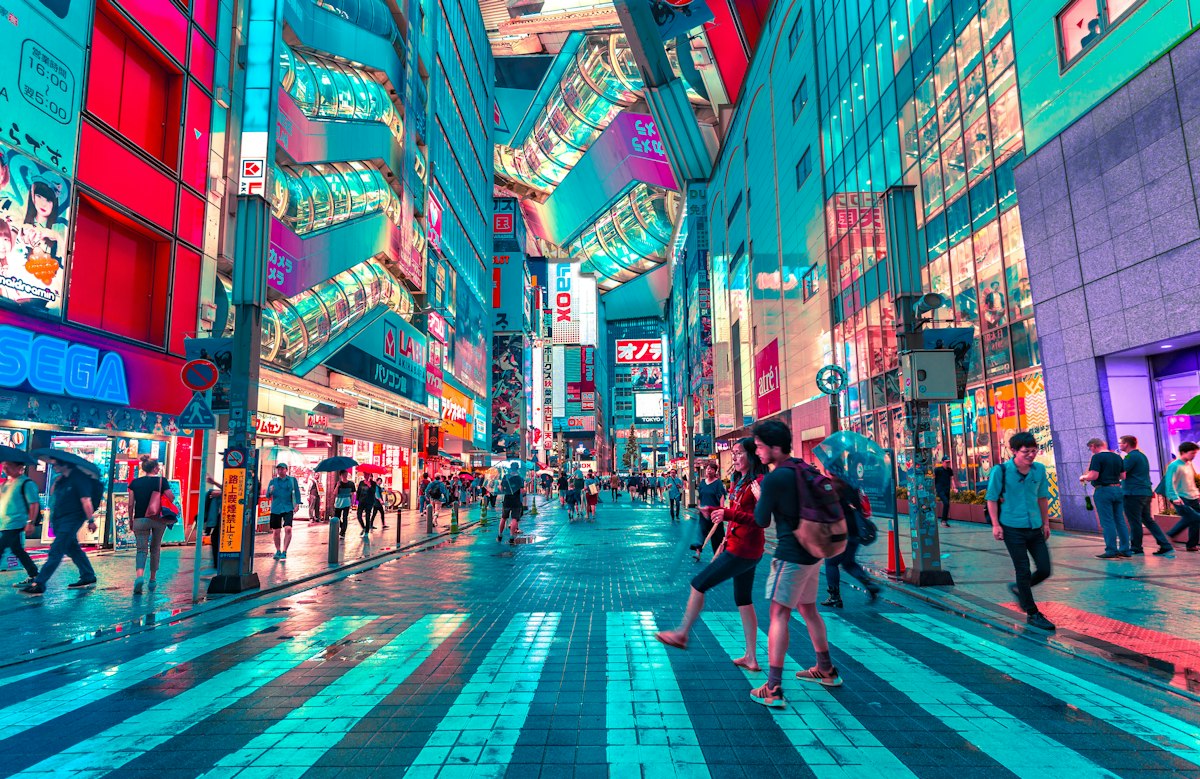
Shinjuku, Tokyo
Shinjuku feels like the epicenter of modern Japan, defined by neon-lit skyscrapers and the world’s busiest railway station. It is walkable to the sprawling Shinjuku Gyoen National Garden and the rowdy bars of Omoide Yokocho. The sheer scale can be overwhelming, but you are steps away from Golden Gai’s tiny drinking dens and department store food halls.
Higashiyama, Kyoto
This area captures the essence of old Japan, featuring steep stone streets and preserved machiya houses. You can walk directly to Kiyomizu-dera Temple, Kodai-ji, and the atmospheric Yasaka Shrine. Staying here provides a quiet respite after dark once day-trippers return to central stations, letting you experience the historic districts with a level of serenity rarely found during daylight hours.
Namba, Osaka
Namba is the gritty, neon-soaked heart of Osaka. It is entirely walkable to the Dotonbori canal, where you can eat takoyaki and okonomiyaki until well past midnight. You are also steps away from the Shinsaibashi-suji shopping arcade. It is loud, crowded, and vibrant, serving as the perfect base for travelers who prioritize proximity to nightlife and authentic local street food over quiet streets.
Rent a car in Japan
Compare rental cars from local and international companies, with free cancellation on most bookings.
Compare car rentals in JapanOne thing to think about
Avoid staying near major terminals like Ueno or Osaka Station just for the sake of rail access if you crave quiet; these areas are plagued by constant train noise, aggressive urban density, and a lack of local charm, often resulting in overpriced hotels with cramped, uninspiring rooms.
Once you have a bed
The things that sell out first in Japan are the small-group tours and the skip-the-line tickets.
Top tours & activities in Japan
Common questions
Do I need a Japan Rail Pass?
The JR Pass is rarely cost-effective following recent price hikes unless you are moving between multiple major cities within a seven-day window. Use an online calculator to input your specific itinerary; for travel within a single region like Kansai or Tokyo, individual tickets or regional passes are almost always cheaper and more practical.
How do I handle luggage while moving between cities?
Use the 'takkyubin' luggage forwarding service available at almost every hotel front desk and convenience store. It allows you to ship large suitcases to your next hotel for a small fee, letting you travel between cities on high-speed trains with only a daypack. It is reliable, inexpensive, and spares you the hassle of train station lockers.
Are convenience stores actually good for meals?
Japanese convenience stores, known as konbini, offer high-quality, inexpensive meals like onigiri, bento boxes, and hot snacks that are significantly better than typical Western fast food. They are an essential part of the travel experience for quick, reliable breakfasts or late-night dinners, especially when you are tired or pressed for time during a busy day.
Hotel links go to Booking.com. If you book through them TonyPlan earns a small commission — the price you pay is exactly the same.