Home › Dominican Republic › How many days
How many days in the Dominican Republic? 7 days beyond the all-inclusive
By Tony Panopoulos · travel-agency planner in Greece · Updated
Most visitors to the Dominican Republic never leave a resort in Punta Cana. In seven days you can see the country instead: the first European city in the Americas in Santo Domingo, the green Samaná peninsula with its waterfall and mangroves, and the Caribbean coast at Bayahíbe for Isla Saona. Air-conditioned intercity buses are cheap and reliable, so a car is optional.
Short answer
Five days covers Santo Domingo and Samaná. Seven adds Bayahíbe and Isla Saona, ending near Punta Cana airport for the flight home.
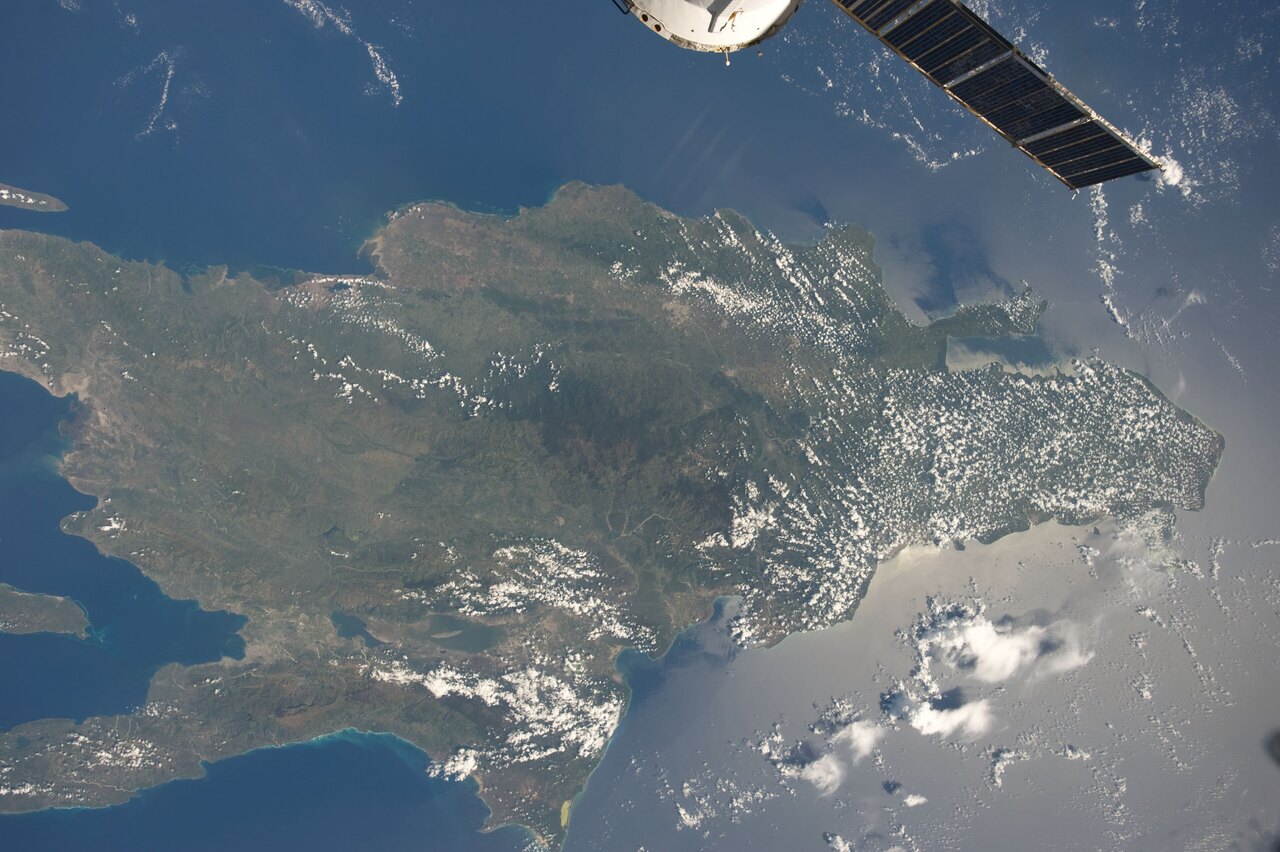
The 7-day plan, day by day
Day 1: Santo Domingo: the Zona Colonial
Morning. Start at Parque Colón in front of the Catedral Primada de América, the first cathedral in the Americas, finished in the 1540s. Walk Calle Las Damas, the first paved street of the New World, to the Fortaleza Ozama, the oldest European fort in the Americas.
Afternoon. Visit the Alcázar de Colón, the palace of Diego Columbus, son of Christopher, and the Museo de las Casas Reales opposite; tickets are a few hundred pesos each. Then wander Calle El Conde, the pedestrian shopping street, and the ruins of the Monasterio de San Francisco.
Evening. Eat on Plaza de España facing the Alcázar, or in the side streets for a plate of la bandera (rice, beans and stewed meat) for RD$350-500. On Sunday evenings, a free open-air son concert is held in the San Francisco ruins.
Use Uber in Santo Domingo; it is cheap, avoids haggling, and most rides across the centre cost RD$200-400.
Day 2: Los Tres Ojos and the Malecón
Morning. Take an Uber 20 minutes east to Los Tres Ojos, a set of limestone caves with turquoise lakes in the Mirador Este park (about RD$100-200). A small raft crosses to the fourth lake.
Afternoon. Back across the Ozama River, visit the Museo del Hombre Dominicano at the Plaza de la Cultura for the Taíno collections, then walk or drive along the Malecón sea front.
Evening. Try a colmado, the corner shop that doubles as a bar, for a cold Presidente beer and bachata or merengue on the speakers.
Book tomorrow's bus to Samaná a day ahead at weekends; Caribe Tours and Asotrabusa both run the route.
Day 3: To Las Terrenas on the Samaná peninsula
Morning. Bus north-east on the Autopista del Nordeste to Samaná, about 2.5-3 hours (roughly RD$500-650), then a 30-minute minibus or taxi to Las Terrenas, or take a direct bus to Las Terrenas.
Afternoon. Swim at Playa Cosón, a long beach of palms just west of town, or at Playa Bonita. Las Terrenas grew up around French and Italian settlers, and the bakeries show it.
Evening. Dinner at the Pueblo de los Pescadores, a row of restaurants in old fishermen's huts on the beach. Order pescado con coco, fish in coconut sauce, Samaná's signature dish.
Motoconchos (motorbike taxis) are everywhere in Las Terrenas for RD$100-200 a ride, but wear the helmet and agree the price first.
Day 4: El Limón waterfall and Playa Rincón
Morning. Ride 20 minutes to the village of El Limón and walk or ride a horse about 3 km through the forest to the Salto El Limón, a 40-metre waterfall with a cold pool beneath (entry plus horse about RD$1,500-2,000).
Afternoon. Drive about 1 hour to Playa Rincón, often listed among the best beaches in the Caribbean, almost empty on weekdays. Fried fish from the shacks costs RD$600-900.
Evening. Back in Las Terrenas, a beach bar for sunset.
Bring water shoes for the waterfall pool, and cash in small notes; few places on the trail take cards.
Day 5: Los Haitises National Park (or the whales)
Morning. Take a boat trip from Samaná town into Los Haitises National Park across the bay: karst islets, mangroves, frigate birds and caves with Taíno drawings, such as Cueva de la Línea (roughly RD$3,000-4,500 with lunch).
Afternoon. From mid-January to late March, join a whale-watching boat instead: thousands of humpback whales come to the Bay of Samaná to breed (about RD$3,500-4,500).
Evening. Stay in Samaná town or return to Las Terrenas.
Whale-watching boats follow official rules on distance and time. Choose operators listed with the Ministry of Environment.
Day 6: To Bayahíbe on the Caribbean coast
Morning. Travel south-east to Bayahíbe, about 4 hours by private transfer or bus via Santo Domingo and La Romana.
Afternoon. Swim at Playa Dominicus or the small village beach, and walk the pier where the fishing boats leave.
Evening. Fresh lobster or fish in the village for RD$900-1,500. Bayahíbe is quieter and cheaper than the resorts of Punta Cana.
Nearby Altos de Chavón, a replica Mediterranean village above the Chavón River, is 25 minutes away and good at sunset.
Day 7: Isla Saona and departure
Morning. Join a speedboat or catamaran to Isla Saona in the Cotubanamá National Park, about 1 hour. Most trips stop at the natural pool, a sandbank in the sea with starfish.
Afternoon. Lunch on the beach at Canto de la Playa or Mano Juan, then return around 16:00. Trips cost RD$4,500-7,000.
Evening. Transfer to Punta Cana Airport, about 1 hour, or stay a last night in Bayahíbe.
Small-group boats leaving from Bayahíbe are calmer than the large tours bussed in from Punta Cana. Do not lift the starfish out of the water.
Only have 5 days?
With 5 days, spend two in Santo Domingo and three on the Samaná peninsula, flying from Santo Domingo or the Samaná El Catey airport.
Got extra days?
Head inland to Jarabacoa for rafting and the mountains, or to climb Pico Duarte, the highest peak in the Caribbean at 3,098 metres, a 2-3-day trek with a guide. Puerto Plata on the north coast has the cable car up Pico Isabel de Torres.
Where to stay in Dominican Republic
| Budget | Area | Why | Typical double/night |
|---|---|---|---|
| Budget | Zona Colonial guesthouses / Las Terrenas | Walk to the sights; simple rooms near the beach. | RD$2,500-4,500 |
| Mid-range | Zona Colonial boutique hotels | Restored colonial houses, walk everywhere. | RD$6,000-10,000 |
| Mid-range | Las Terrenas / Bayahíbe | Small hotels on the beach. | RD$5,000-9,000 |
| Comfort | Playa Cosón / Dominicus resorts | Beach resorts with pools, some all-inclusive. | RD$12,000-25,000 |
Getting around
Intercity buses with Caribe Tours, Metro Tours and Expreso Bávaro are air-conditioned and cheap. Local guaguas (minibuses) and motoconchos cover short trips. Use Uber in Santo Domingo and Punta Cana. From Las Américas Airport (SDQ), the Zona Colonial is about 30-40 minutes by taxi (around RD$2,000-2,500). Drivers can be aggressive, so think twice before renting a car.
What to eat in Dominican Republic
Lunch is the main meal: la bandera dominicana, rice, red beans and stewed chicken or beef with salad, costs RD$300-500 in a comedor. Breakfast is mangú, mashed green plantain with onions, eggs, fried salami and cheese (los tres golpes). Try sancocho, a stew of seven meats on Sundays, tostones (twice-fried plantain), chicharrón and coconut fish in Samaná. Drink Presidente beer, Brugal rum and mamajuana, a rum and wine infusion of roots and bark. A restaurant dinner costs RD$1,200-2,500.
Best time to visit
December to April is dry and sunny, around 28-30°C, and the busiest. Whales are in Samaná Bay from about mid-January to late March. The hurricane season runs June to November, with the highest risk from August to October. Carnival fills February weekends.
Month-by-month weather for Dominican Republic →
What a day costs
| Budget | Mid-range | Comfort | |
|---|---|---|---|
| Bed (per person, sharing a double) | RD$1,800 | RD$4,500 | RD$10,000 |
| Food & drink | RD$1,200 | RD$2,500 | RD$5,000 |
| Sights & tickets | RD$800 | RD$2,500 | RD$5,000 |
| Local transport | RD$500 | RD$1,500 | RD$4,000 |
| Total per person, per day | about RD$4,300 | about RD$11,000 | about RD$24,000 |
Approximate 2026 prices in Dominican pesos (roughly RD$60-65 to US$1); hotels and restaurants add 18% ITBIS tax plus a 10% service charge.
Before you go
Common questions
Do I need a visa for the Dominican Republic?
Most visitors from Europe and North America do not. The tourist card fee (about US$10) is now included in most airline tickets. You must fill in the free electronic entry and exit form (e-Ticket) on the official migration website before each flight and show the QR code.
Is it safe to travel around the Dominican Republic?
The tourist areas are generally safe if you take normal care. Use Uber or hotel taxis at night, keep phones out of sight on busy streets, and avoid empty beaches after dark. Roads are the biggest risk: driving is fast and erratic, especially at night.
Should I use dollars or pesos?
Use pesos for buses, colmados, taxis and small restaurants; you will get better prices. Tours, hotels and resorts often quote in US dollars and accept them. Withdraw pesos from bank ATMs such as Banco Popular or Banreservas, and carry some small notes.
Is Samaná better than Punta Cana?
They are different. Punta Cana is a long coast of large resorts, easy for a beach week. Samaná is greener and quieter, with waterfalls, mangroves and small towns, and the whales in winter. For a first trip that sees more than a pool, Samaná is better.
How this guide was made
Compiled by TonyPlan from official tourism, transport and attraction sources and on-the-ground travel knowledge. Prices are approximate for 2026 and change with season; anything we could not confirm is marked as approximate.
Some links on this page are partner links. If you book through them TonyPlan may earn a commission; the price you pay is the same. How we make money.