How many days in Delhi? 3 days of Old Delhi, Mughal tombs and New Delhi
By Tony Panopoulos · travel-agency planner in Greece · Updated
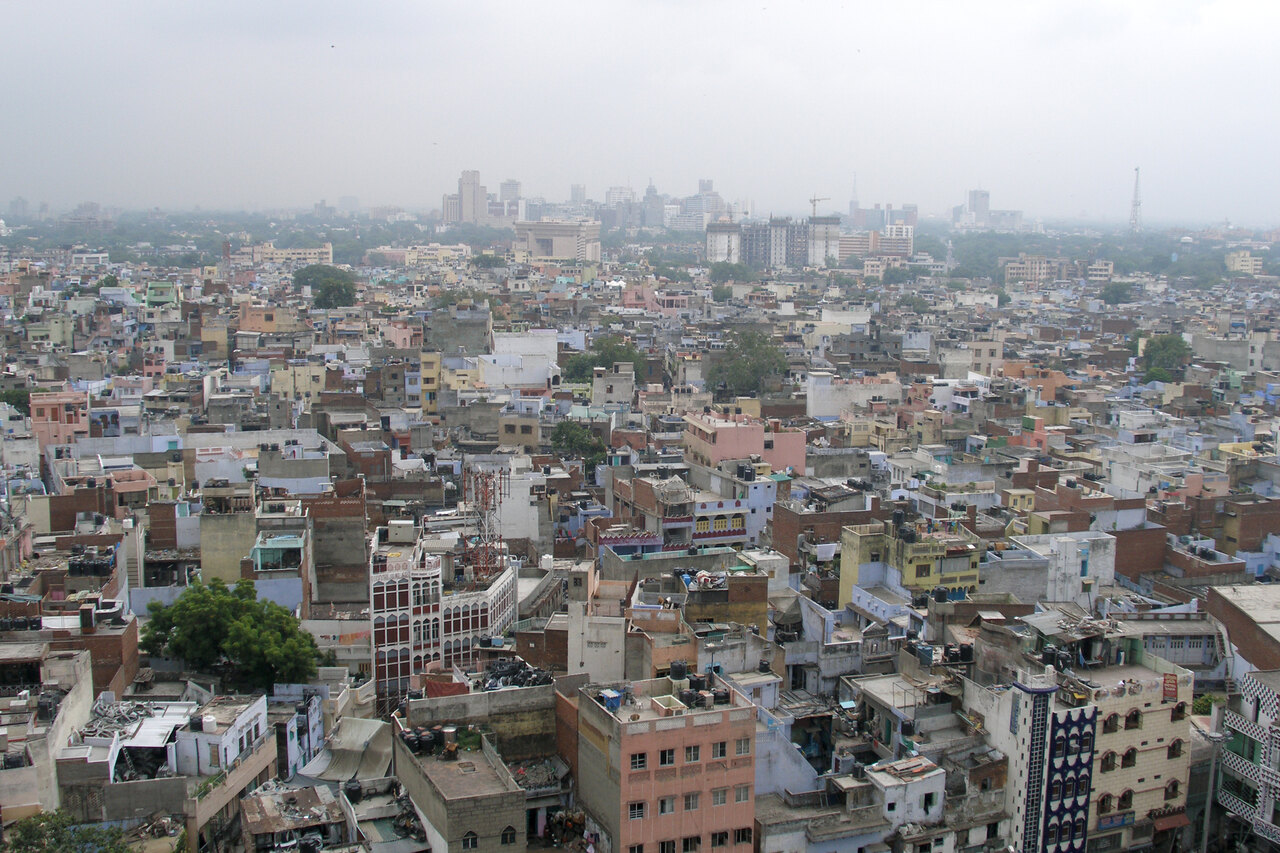
Delhi, India's capital, is a city of layers: seven historic cities built by successive dynasties, from the 12th-century Qutub Minar to the Mughal Red Fort and Humayun's Tomb, to the British-built avenues of New Delhi. Three days covers the chaotic, fascinating lanes of Old Delhi, the three UNESCO sites, the government quarter around India Gate, the modern temples, and the city's famous street food. It is intense, noisy and crowded, but a perfect introduction to India and the start of the 'Golden Triangle' with Agra and Jaipur.
Short answer
Two days covers Old Delhi, Humayun's Tomb, the Qutub Minar and New Delhi. The third adds the temples, markets, or a day trip to the Taj Mahal.
The 3-day plan, day by day
Day 1: Old Delhi
Morning. Visit the Red Fort (Lal Qila, UNESCO; about 500-600 rupees for foreigners, closed Mondays), the palace-fortress of the Mughal emperors built by Shah Jahan in 1648, then the Jama Masjid, India's largest mosque, and climb its minaret.
Afternoon. Take a cycle rickshaw through Chandni Chowk and its bazaars: spices at Khari Baoli, Asia's largest spice market, silver and wedding goods, and the Gurudwara Sis Ganj Sahib. Taste street food: parathas at Paranthe Wali Gali and jalebi.
Evening. Have dinner at Karim's, near the Jama Masjid, famous for Mughlai kebabs and curries since 1913.
Visit a Sikh gurudwara like Bangla Sahib, where free meals (langar) are served to thousands daily; cover your head.
Day 2: Humayun's Tomb, Qutub Minar and New Delhi
Morning. Visit Humayun's Tomb (UNESCO), a 16th-century garden tomb that inspired the Taj Mahal, then the Nizamuddin Dargah, a Sufi shrine where qawwali music is performed on Thursday evenings.
Afternoon. Visit the Qutub Minar complex (UNESCO), with a 73-metre tower of red sandstone (1193) and an iron pillar that has not rusted in 1,600 years. Then drive through Lutyens' Delhi: India Gate, the Kartavya Path and the Rashtrapati Bhavan (presidential palace).
Evening. Walk in the Lodhi Garden, among 15th-century tombs, then have dinner in Khan Market or Hauz Khas Village.
Use the Delhi Metro: it is fast, clean and avoids traffic; women have a dedicated carriage.
Day 3: Temples and markets, or the Taj Mahal
Morning. Visit the Lotus Temple (Bahá'í House of Worship), shaped like a lotus flower, and the Akshardham Temple, a huge carved sandstone complex (no phones or cameras allowed).
Afternoon. Shop at Dilli Haat for crafts from all of India, or Sarojini Nagar and Janpath markets. Visit the National Museum for Indian art.
Evening. Alternatively, take the Gatimaan Express or a car to Agra (about 2-3.5 hours) for a day trip to the Taj Mahal (closed on Fridays) and the Agra Fort.
For the Taj Mahal, overnight in Agra and go at sunrise, the best light and fewest crowds.
Only have 2 days?
With 2 days, do Days 1 and 2.
Got extra days?
With more time, continue to Agra and Jaipur (the Golden Triangle), Varanasi on the Ganges, or Rishikesh in the Himalayan foothills.
Where to stay in Delhi
| Budget | Area | Why | Typical double/night |
|---|---|---|---|
| Budget | Paharganj | Cheap guesthouses near New Delhi station. | 1,000-2,500 rupees |
| Mid-range | Connaught Place / Karol Bagh | Central, metro, restaurants. | 3,500-7,000 rupees |
| Mid-range | South Delhi (Hauz Khas, Defence Colony) | Quieter, green, cafés. | 3,500-8,000 rupees |
| Comfort | Lutyens' Delhi / Aerocity | Luxury hotels such as The Imperial. | 15,000-40,000 rupees |
Getting around
The Delhi Metro is the best way to get around; the Airport Express Line links Indira Gandhi International Airport with New Delhi station in about 20 minutes. Use Uber and Ola for taxis and auto-rickshaws. Agree prices for cycle rickshaws in Old Delhi. Traffic is very heavy.
What to eat in Delhi
Delhi is one of India's great food cities: try butter chicken (invented here), chole bhature, parathas, kebabs, chaat (savoury snacks) such as golgappa and aloo tikki, and kulfi. Street food costs 50-200 rupees; a restaurant meal 500-1,500 rupees. Drink bottled water.
Best time to visit
October to March is best, with pleasant days (20-28°C). November to January can have severe air pollution and fog; check the air quality index. April to June is extremely hot (40°C+), and the monsoon is from July to September.
Month-by-month weather for Delhi →
What a day costs
| Budget | Mid-range | Comfort | |
|---|---|---|---|
| Bed (per person, sharing a double) | 800 rupees | 2,500 rupees | 12,000 rupees |
| Food & drink | 500 rupees | 1,200 rupees | 4,000 rupees |
| Sights & activities | 700 rupees | 1,500 rupees | 3,500 rupees |
| Transport | 200 rupees | 600 rupees | 2,500 rupees |
| Total per person, per day | about 2,200 rupees | about 5,800 rupees | about 22,000 rupees |
Approximate 2026 prices in Indian rupees. Foreigners pay higher entrance fees at monuments; buying tickets online is often slightly cheaper.
Before you go
Common questions
Is Delhi safe for tourists?
Generally yes, with care: watch for scams (fake tourist offices, 'your hotel is closed' stories), pickpockets in crowds, and use app-based taxis. Women should dress modestly and avoid empty areas at night.
How bad is the air pollution?
It is severe from about November to January. Check the air quality index and consider a mask (N95) in these months.
Can I do the Taj Mahal as a day trip?
Yes: the Gatimaan Express takes about 1 hour 40 minutes, or about 3-3.5 hours by car. Staying overnight lets you see the sunrise.
Do I need an e-Visa?
Most visitors need an Indian e-Visa, applied for online before travel. Use only the official government website.
Is Delhi good for families?
Yes with planning: the monuments, gardens, the National Rail Museum and Akshardham's water show interest children. Heat and crowds can be tiring.
What should I wear?
Loose, light clothing covering shoulders and knees; scarves for religious sites. Remove shoes in temples and mosques.
Is the street food safe?
Choose busy stalls where food is cooked fresh, and avoid raw salads and tap water. A food tour helps you find the best places.
How do I avoid touts?
Buy monument tickets at official counters or online, use the metro or app taxis, and ignore anyone who approaches you offering help near stations.
What is the Golden Triangle?
The classic route linking Delhi, Agra (Taj Mahal) and Jaipur, each about 3-5 hours apart; a week covers it comfortably.
Which monuments are closed on certain days?
The Red Fort closes on Mondays, the Taj Mahal on Fridays, and Akshardham on Mondays. Check before planning.
What is the best way to see Old Delhi?
On foot and by cycle rickshaw with a local guide or food tour, in the morning before the lanes become too crowded. Wear comfortable shoes and keep your bag in front of you.
Where can I see India's history in one place?
The National Museum on Janpath has 5,000 years of Indian art, from the Harappan civilisation to Mughal miniatures. The Red Fort also has several museums, including one on the independence movement.
What is Hauz Khas Village?
A neighbourhood in South Delhi built around a 14th-century reservoir and madrasa ruins, now full of cafés, bars, boutiques and art galleries. It is a pleasant place for sunset and dinner.
How this guide was made
Written by hand, without AI, from experience planning India trips. Prices are approximate for 2026; confirm on the official Archaeological Survey of India, Delhi Tourism and Indian e-Visa websites before travelling.
Some links on this page are partner links. If you book through them TonyPlan may earn a commission; the price you pay is the same. How we make money.