Where to stay in Delhi
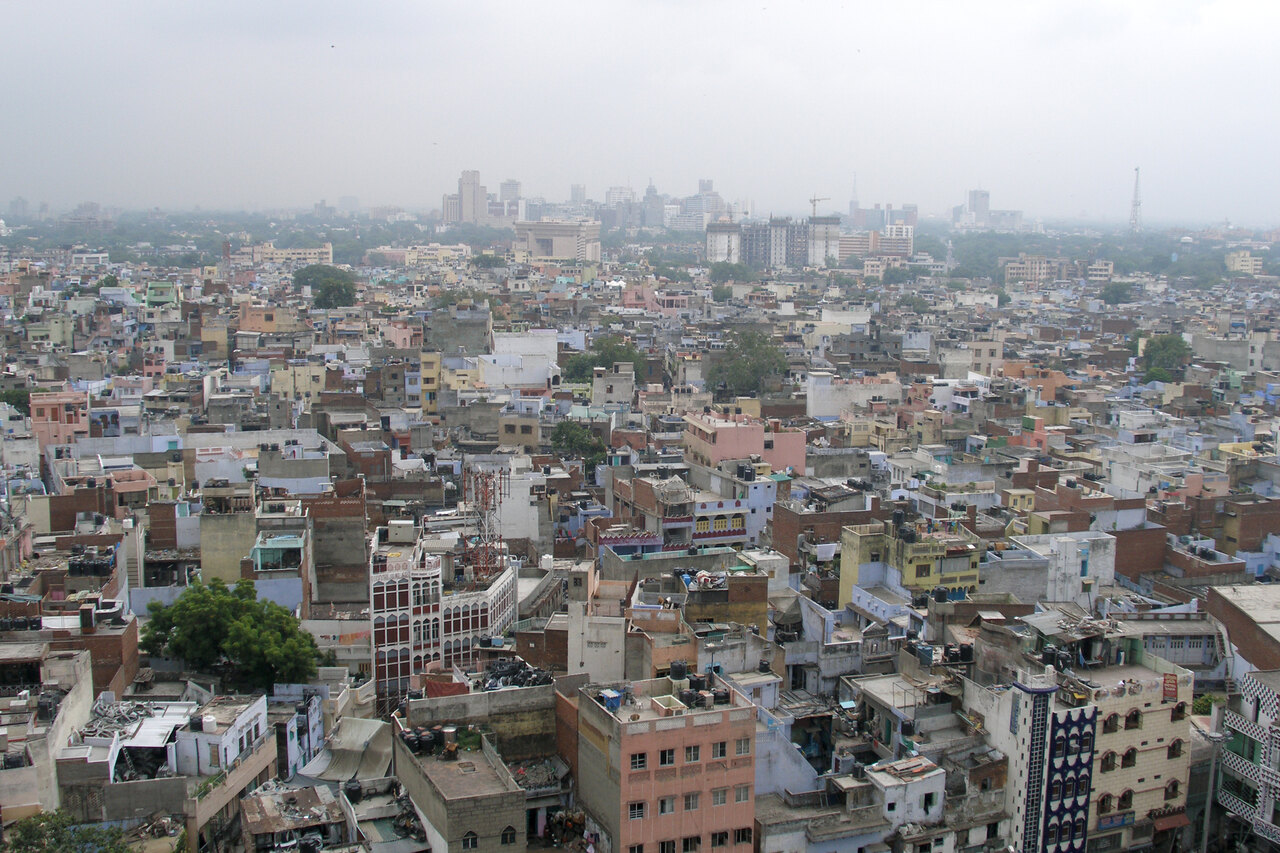
Delhi is a vast, sprawling metropolis divided primarily between the chaotic, historic character of Old Delhi and the structured, colonial-era architecture of New Delhi. Choosing where to stay dictates your daily commute and exposure to noise; choose proximity to the Delhi Metro network to mitigate the city’s intense traffic congestion. For most travelers, staying south of the central districts provides a quieter experience while remaining within reach of the major heritage sites and business hubs.
Connaught Place
This is the commercial heart of New Delhi, characterized by its concentric Georgian-style colonial architecture. It is highly walkable, filled with upscale dining, bookstores, and office spaces. You are steps away from the Rajiv Chowk Metro station, connecting you to the rest of the city. Notable nearby landmarks include the Jantar Mantar observatory and the bustling Janpath Market for textiles.
Hauz Khas Village
This area feels like a village within the city, dominated by the 14th-century Hauz Khas complex and its serene reservoir. The streets are narrow and vibrant, offering a pedestrian-friendly environment packed with art galleries and eclectic restaurants. It is ideal for evening strolls through the medieval ruins, followed by dinner in one of the many terrace bars overlooking the greenery.
South Extension
A premium residential district known for its orderly layout and high-street shopping options. It is significantly quieter than the northern hubs, providing a calm base. It is highly walkable for shopping errands, and the nearby INA Market offers an authentic look at local produce and spices. It feels like the modern, affluent face of Delhi, away from the dust and heavy traffic.
Paharganj
Located just outside the New Delhi Railway Station, this area is a whirlwind of narrow alleys, hostels, and cheap street food stalls. It is purely utilitarian and chaotic, perfect if you need instant access to transport hubs and cheap transit. It is walkable to the main station, though it lacks greenery or quiet zones, making it an intense experience for newcomers.
Defense Colony
Known locally as 'Def Col', this neighborhood is famous for its central market, which acts as a social hub for dining and upscale shopping. It is a highly walkable, leafy residential area that feels safe and orderly. You are well-positioned for quick taxi rides to Lodhi Garden or the Humayun’s Tomb, making it an ideal middle ground between tourist hubs and local living.
Rent a car in Delhi
Compare rental cars from local and international companies, with free cancellation on most bookings.
Compare car rentals in DelhiOne thing to think about
Avoid booking accommodation directly inside Old Delhi if you value sleep or quiet mornings. The streets are extremely narrow, often impassable for cars, and the constant noise from markets and rickshaws continues late into the night. It is better visited as a day trip rather than a base.
Other places to stay in India: Oberoi · Trident · The Leela
Once you have a bed
The things that sell out first in Delhi are the small-group tours and the skip-the-line tickets.
Top tours & activities in Delhi
Common questions
Is it easy to get around Delhi without a car?
The Delhi Metro is excellent, air-conditioned, and covers most major tourist sites and business districts efficiently. For shorter distances, ride-sharing apps like Uber or Ola are far more reliable and transparent regarding pricing than hailing street auto-rickshaws, which often require aggressive haggling and can be difficult for tourists to navigate.
When is the best time of year to visit?
October to March is the ideal window. During these months, the weather is cool and manageable, allowing you to walk between sites without the extreme heat of the summer months. Avoid May and June, when temperatures frequently exceed 40°C, making outdoor sightseeing physically draining and often impossible during the mid-day peak.
Do I need to worry about street food safety?
Stick to stalls that have high turnover and long queues of locals, as this ensures the food is fresh. Avoid raw salads, chutneys, or ice in drinks, and stick to hot, freshly cooked items. Most travelers adjust quickly, but keeping a bottle of hand sanitizer and opting for reputable cafes for your first few meals is wise.
Hotel links go to Booking.com. If you book through them TonyPlan earns a small commission — the price you pay is exactly the same.