Home › Argentina › How many days
How many days in Argentina? 8 days for Buenos Aires, Iguazu and Patagonia
By Tony Panopoulos · travel-agency planner in Greece · Updated
Argentina is the eighth-largest country on earth, and Buenos Aires to El Calafate is a 3h15 flight, so eight days is the honest minimum for the classic triangle: the capital, the Iguazu Falls in the subtropical north and the Perito Moreno glacier in Patagonia. Build the trip around domestic flights on Aerolineas Argentinas, JetSMART or Flybondi, and book them together, because every route runs through Buenos Aires' city airport, Aeroparque.
Short answer
Seven days fits Buenos Aires, Iguazu and El Calafate with three flights. Eight adds El Chalten under Fitz Roy and a lake-district or wine-country finale in Bariloche or Mendoza.
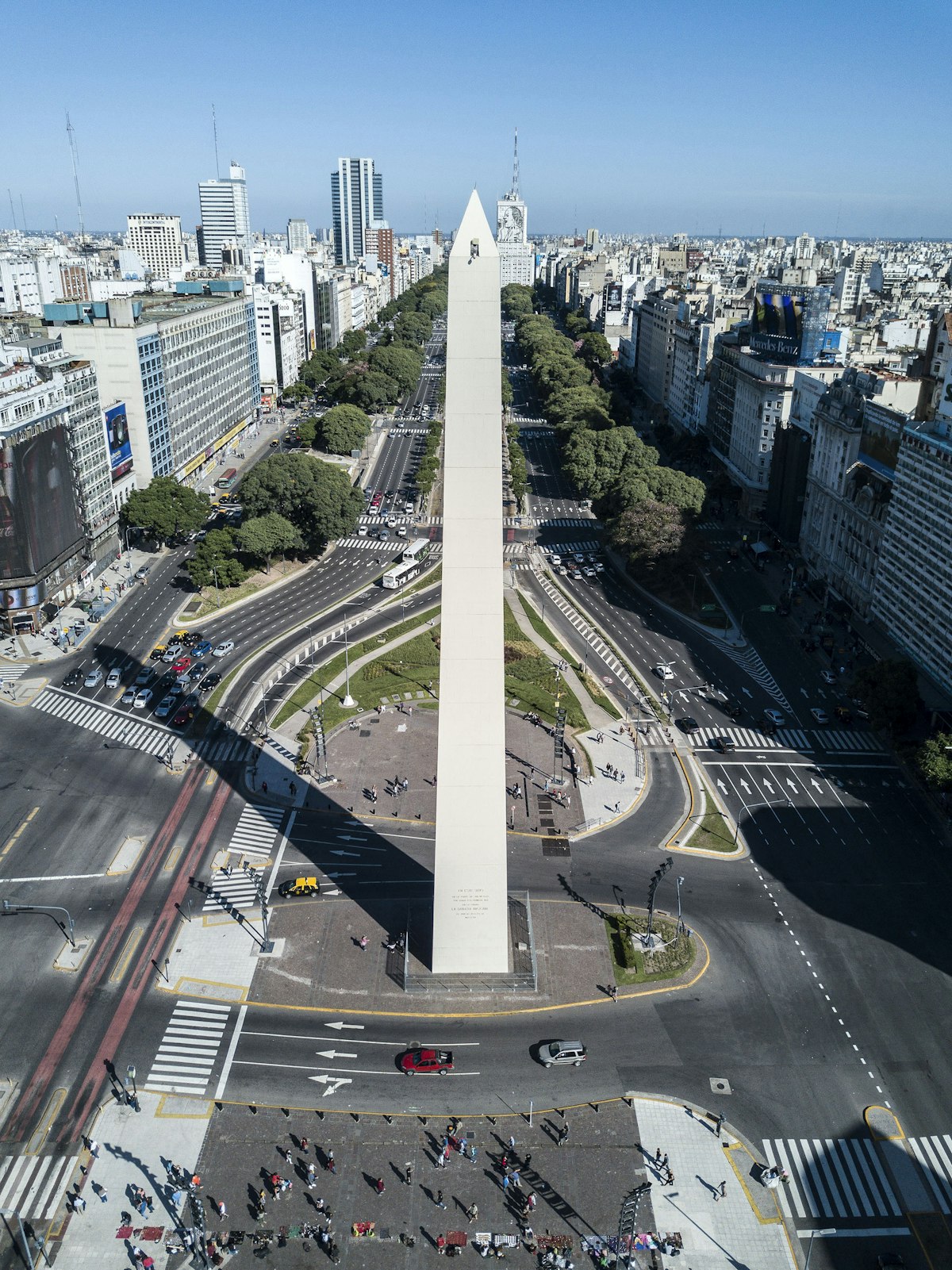
The 8-day plan, day by day
Day 1: Buenos Aires: Plaza de Mayo and San Telmo
Morning. Start at Plaza de Mayo with the pink Casa Rosada and the Metropolitan Cathedral, where the tomb of General San Martin is guarded. Walk 10 minutes along Avenida de Mayo to Cafe Tortoni (founded 1858) for coffee and medialunas.
Afternoon. Walk 15 minutes south into San Telmo, the cobbled old quarter. On Sundays the Feria de San Telmo fills Calle Defensa for about 1 km with antiques and street tango; on other days the covered Mercado de San Telmo has vintage stalls and choripan counters.
Evening. Dinner in a San Telmo parrilla such as El Desnivel, then a tango show or, better value, a milonga where locals dance from about 23:00.
Argentines dine late: restaurants fill from 21:30. Book a classic tango show (dinner and show from roughly US$80-150) only if you want the staged version.
Day 2: Buenos Aires: La Boca, Recoleta and Palermo
Morning. Take a taxi (about 15 minutes from the centre) to La Boca and the painted tin houses of Caminito, next to the Boca Juniors stadium, La Bombonera. Stay on the main tourist streets and leave by early afternoon.
Afternoon. Visit Recoleta Cemetery (entry about US$14 for foreigners, paid in pesos), a city of marble mausoleums where Eva Peron lies in the Duarte family vault. Walk next door to the Museo Nacional de Bellas Artes, which is free.
Evening. Head to Palermo Soho and Palermo Hollywood for dinner; a steak, a bottle of Malbec and dessert at a good parrilla such as Don Julio costs far more than at a neighbourhood bodegon, which is still excellent.
Do Palermo's parks (the Rose Garden and the Japanese Garden) on a weekend morning, when Avenida del Libertador is busy with cyclists and families.
Day 3: Fly to Iguazu: the Brazilian side
Morning. Fly from Aeroparque to Puerto Iguazu (about 1h50). Drop bags in town and cross to Brazil by taxi or tour (about 40 minutes including the border; check visa rules for your passport).
Afternoon. The Brazilian side (Parque Nacional do Iguacu, about R$100) gives the panorama: a 1.2 km path ends on a walkway into the spray beneath the Devil's Throat. Allow 2-3 hours.
Evening. Back in Puerto Iguazu, eat river fish such as surubi at a grill near the Hito Tres Fronteras, where Argentina, Brazil and Paraguay meet at the river junction.
Bring a rain jacket or a bag for your phone: the Devil's Throat walkway soaks everyone in a minute.
Day 4: Iguazu: the Argentine side
Morning. Be at the Parque Nacional Iguazu gate at 8:00 (foreign adults roughly ARS 45,000; pay by card). Take the small train to Garganta del Diablo first, a 1.1 km walkway over the river to the lip of the biggest fall.
Afternoon. Walk the Upper and Lower Circuits (about 3 hours together) past dozens of individual falls, with coatis and toucans along the path. The Gran Aventura boat ride under the falls costs extra and is worth it on a hot day.
Evening. Fly back to Buenos Aires in the evening, or stay one more night in Puerto Iguazu and take the morning flight.
Keep your park ticket: a second consecutive day is half price if you get it stamped on the way out.
Day 5: Fly to El Calafate
Morning. Fly to El Calafate (about 3h15 from Aeroparque). The town sits on the turquoise Lago Argentino, and the light and the wind change as soon as you land.
Afternoon. Walk 20 minutes to the Laguna Nimez bird reserve for flamingos and black-necked swans, or visit the Glaciarium museum (about 10 minutes by shuttle) to understand the ice field you will see tomorrow.
Evening. Patagonian lamb, cordero al asador, is cooked on iron crosses beside open fires along Avenida del Libertador; expect a hearty dinner.
Book glacier excursions before you arrive in January and February; they are the busiest months.
Day 6: Perito Moreno glacier
Morning. Drive or take a bus 80 km (about 1h20) to the Perito Moreno glacier in Los Glaciares National Park (entry about ARS 45,000 for foreigners). The front is about 5 km wide and 60-70 metres high.
Afternoon. Walk the pasarelas, about 4 km of balconies facing the ice, and wait for blocks to crash into the lake. A one-hour boat ride (Safari Nautico) goes close to the wall; the mini-trekking on the ice itself must be booked weeks ahead.
Evening. Back in El Calafate, try calafate-berry ice cream, which local legend says guarantees your return to Patagonia.
Mini-trekking has an age limit (roughly 8-65); the longer Big Ice walk is for fit adults up to about 50.
Day 7: El Chalten and Fitz Roy
Morning. Take the early bus to El Chalten (about 3 hours, 215 km), Argentina's trekking capital, under the granite spires of Mount Fitz Roy. Entry to the trails is free.
Afternoon. Hike to Mirador Laguna Capri or Mirador del Fitz Roy (about 2-3 hours return from the village), or the 4 km climb to Mirador de los Condores for a view over the valley.
Evening. Take the evening bus back to El Calafate, or stay the night and do the full Laguna de los Tres hike (about 20 km, 8-10 hours) the next day.
Patagonian wind can exceed 80 km/h; carry layers even in January, when highs are only around 18-20°C.
Day 8: Fly to Bariloche: the Lake District
Morning. Fly from El Calafate to San Carlos de Bariloche (about 1h45 on the direct route, or via Buenos Aires). The town of Alpine-style stone and timber sits on Lake Nahuel Huapi.
Afternoon. Rent a bike or join a minibus for the Circuito Chico, a 60 km loop past the Llao Llao hotel and Lago Moreno, stopping at the chairlift up Cerro Campanario for the lake view.
Evening. Bariloche is a chocolate town: Mamuschka and Rapa Nui on Calle Mitre sell it by the kilo. Next day, fly back to Buenos Aires (about 2h10) and transfer to Ezeiza, 35-60 minutes from Aeroparque.
Alternative: fly to Mendoza instead for the Malbec vineyards of Lujan de Cuyo and the Uco Valley. Leave 4-5 hours between a domestic arrival and an international departure.
Only have 7 days?
With 7 days, drop Bariloche and fly home from El Calafate via Buenos Aires. With 6, drop El Chalten too.
Got extra days?
Extra days go to the Tigre delta (1 hour by train from Retiro), to Ushuaia (Beagle Channel boat trips and Tierra del Fuego National Park), to Mendoza for wine, to the coloured hills of Salta and Jujuy in the north-west, or to the whales of Peninsula Valdes from June to December.
Where to stay in Argentina
| Budget | Area | Why | Typical double/night |
|---|---|---|---|
| Budget | San Telmo (Buenos Aires) | Hostels and guesthouses in old townhouses, walking distance from Plaza de Mayo. | ARS 40,000-80,000 |
| Mid-range | Palermo Soho (Buenos Aires) | Leafy streets, the best restaurants and bars, safe at night, 15 minutes from Aeroparque. | ARS 100,000-180,000 |
| Mid-range | El Calafate town centre | Walk to restaurants on Avenida del Libertador; buses to the glacier leave from here. | ARS 110,000-200,000 |
| Comfort | Recoleta / Llao Llao (Bariloche) | Belle-epoque hotels in Recoleta, or the lake-view grand hotel at Llao Llao. | ARS 300,000-700,000 |
Getting around
Distances are huge, so fly: Aerolineas Argentinas covers every route, JetSMART and Flybondi are cheaper with strict bag rules. Most domestic flights use Aeroparque Jorge Newbery, 15 minutes from Palermo; international flights use Ezeiza, 35-60 minutes out (Tienda Leon buses or taxis). Long-distance buses (Andesmar, Via Bariloche) are comfortable, with cama seats, for overnight trips. In Buenos Aires, the Subte and colectivo buses take a SUBE card; Uber and Cabify work widely.
What to eat in Argentina
Argentina eats beef: at a parrilla, order bife de chorizo (sirloin), ojo de bife (ribeye) or vacio (flank), with chimichurri and a provoleta of grilled cheese to start. Empanadas differ by province; the Tucuman and Salta ones are the most famous. Lunch menus (menu ejecutivo) with a drink cost roughly ARS 15,000-25,000. Malbec from Mendoza is the house wine almost everywhere. Sweet tooth: dulce de leche in everything, alfajores from Havanna, and late-night helado. In Patagonia, eat lamb and trout. Tipping is about 10%, often in cash.
Best time to visit
October to April for the whole trip. Patagonia is only fully open from about October to April, warmest in January-February (highs 18-22°C, strong wind). Iguazu is hot and humid in summer (30-35°C) and pleasant from April to October. Buenos Aires is best in spring (October-November) and autumn (March-May); January is hot and many locals leave for the coast.
Month-by-month weather for Argentina →
What a day costs
| Budget | Mid-range | Comfort | |
|---|---|---|---|
| Bed (per person, sharing a double) | ARS 30,000 | ARS 70,000 | ARS 180,000 |
| Food & drink | ARS 25,000 | ARS 50,000 | ARS 100,000 |
| Sights & tickets | ARS 12,000 | ARS 30,000 | ARS 60,000 |
| Local transport | ARS 5,000 | ARS 15,000 | ARS 40,000 |
| Total per person, per day | about ARS 72,000 | about ARS 165,000 | about ARS 380,000 |
Approximate 2026 prices in Argentine pesos, which change fast with inflation; domestic flights (roughly US$60-150 per leg booked ahead) are extra, and hotels may quote in US dollars.
Before you go
Common questions
Should I bring US dollars in cash?
It matters less than it used to. Since 2024 foreign cards are charged at a rate close to the parallel 'blue' rate, so paying by Visa or Mastercard is usually fine. Western Union transfers can still give a slightly better rate. Bring some clean, undamaged US$100 notes as a backup, and expect ATMs to charge high fees for small withdrawals.
Is 8 days enough for Argentina?
It is enough for Buenos Aires, Iguazu and one Patagonian base, with a final stop in Bariloche or Mendoza. It is not enough for the north-west, Ushuaia and the wine country as well; that needs three weeks. Accept that Argentina needs several trips and pick one region per extra week.
Do I need a visa for the Brazilian side of Iguazu?
It depends on your passport. Brazil reintroduced e-visas for US, Canadian and Australian citizens in 2025, while EU and UK citizens currently enter visa-free. Check the official Brazilian consular site before you travel. Tours from Puerto Iguazu handle the border formalities, which usually take 15-30 minutes each way.
Is Buenos Aires safe?
It is safer than many Latin American capitals, but phone snatching is common. Keep your phone away from the kerb and out of sight on the Subte, use Uber or Cabify at night, and stay on the main streets of La Boca and around Constitucion station. Palermo, Recoleta and Puerto Madero are calm into the night.
How this guide was made
Compiled by TonyPlan from official tourism, transport and attraction sources and on-the-ground travel knowledge. Prices are approximate for 2026 and change with season; anything we could not confirm is marked as approximate.
Some links on this page are partner links. If you book through them TonyPlan may earn a commission; the price you pay is the same. How we make money.