Home › Washington, D.C. › How many days
How many days in Washington, D.C.? 3 days of monuments, free museums and Georgetown
By Tony Panopoulos · travel-agency planner in Greece · Updated
Washington, D.C. is the capital of the United States and a city of monuments and museums, most of them free. The National Mall, 3 km long from the Capitol to the Lincoln Memorial, holds the Smithsonian museums, the memorials and the views of the Washington Monument. Three days covers the monuments, the Capitol and the Library of Congress, two or three Smithsonian museums, and the old streets of Georgetown and the Arlington National Cemetery across the river. Book the few free timed tickets in advance.
Short answer
Two days covers the monuments, the Capitol and two museums. The third adds Arlington, Georgetown and more museums.
The 3-day plan, day by day
Day 1: The monuments of the Mall
Morning. Start at the Washington Monument (free timed tickets, reserve online for a small fee) and walk west to the World War II Memorial, the Reflecting Pool and the Lincoln Memorial, where Martin Luther King Jr. gave his 'I Have a Dream' speech in 1963.
Afternoon. See the Vietnam Veterans Memorial, with 58,000 names on black granite, the Korean War Memorial, and walk around the Tidal Basin to the Martin Luther King Jr. Memorial, the FDR Memorial and the Jefferson Memorial.
Evening. See the memorials lit up at night, much quieter and very moving; then see the White House from Lafayette Square or the Ellipse.
The monuments are far apart (the walk is 6-8 km); rent a Capital Bikeshare bike or take a night tour by trolley.
Day 2: Capitol Hill and the Smithsonian
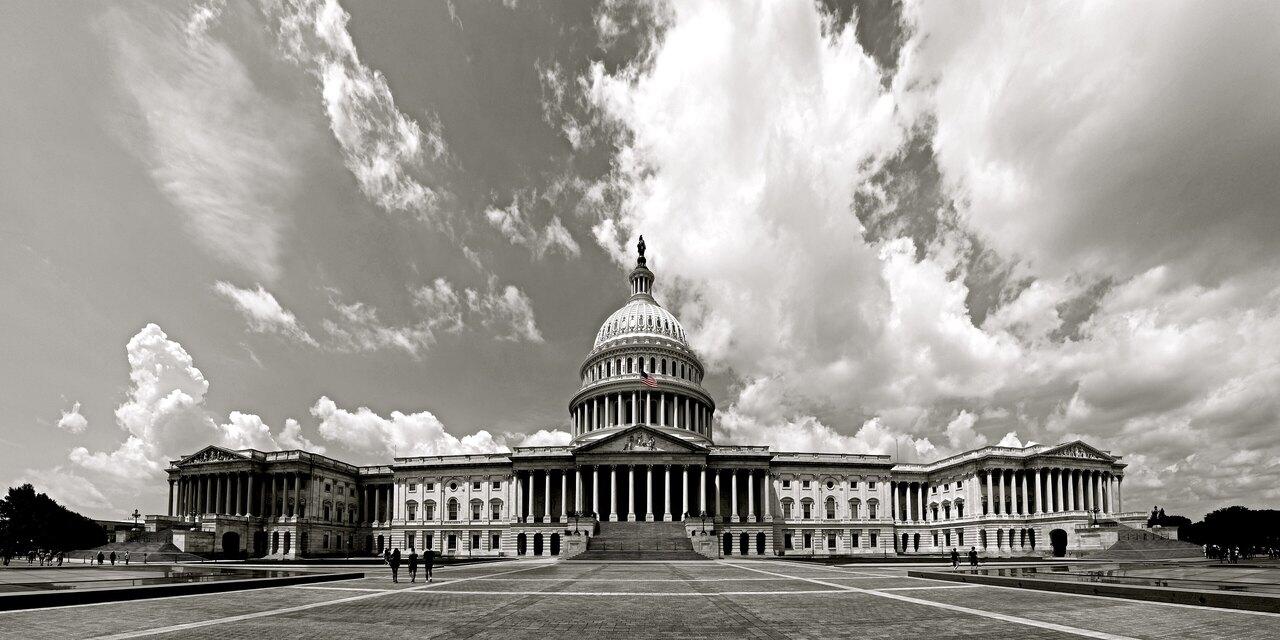
Morning. Take a free tour of the US Capitol (book ahead on the Visitor Center website), then cross the tunnel to the Library of Congress, whose Thomas Jefferson Building has one of the most beautiful interiors in the country. Look at the Supreme Court building outside.
Afternoon. Visit two Smithsonian museums (free): the National Air and Space Museum (free timed passes), the National Museum of Natural History (the Hope Diamond, dinosaurs), the National Museum of American History (the Star-Spangled Banner), or the National Museum of African American History and Culture (timed passes).
Evening. Have dinner at Union Market or around Eastern Market on Capitol Hill.
Each museum deserves 2-3 hours; choose two a day to avoid fatigue.
Day 3: Arlington and Georgetown
Morning. Take the Metro to Arlington National Cemetery (free), with the grave of John F. Kennedy and the eternal flame, and the Changing of the Guard at the Tomb of the Unknown Soldier (every 30 minutes to 1 hour).
Afternoon. Visit the National Gallery of Art (free), with the only Leonardo da Vinci painting in the Americas, then walk through Georgetown, with 18th-century houses, the C&O Canal and shops on M Street.
Evening. Have dinner on the Georgetown Waterfront or at The Wharf, a lively riverside district.
The 'Exorcist Steps' and Dumbarton Oaks gardens are worth a stop in Georgetown.
Only have 2 days?
With 2 days, do Days 1 and 2 and see the monuments at night.
Got extra days?
With more time, visit Mount Vernon, George Washington's estate (about 30-45 minutes), Old Town Alexandria, or Annapolis and Baltimore.
Where to stay in Washington, D.C.
| Budget | Area | Why | Typical double/night |
|---|---|---|---|
| Budget | Hostels / Arlington (Virginia) | Cheaper, Metro to the Mall. | US$120-200 |
| Mid-range | Downtown / Penn Quarter | Walk to the Mall, the museums and the Metro. | US$220-380 |
| Mid-range | Dupont Circle | Restaurants, embassies, nightlife. | US$200-350 |
| Comfort | Georgetown / The Wharf / historic hotels | Historic and riverside luxury hotels. | US$400-800 |
Getting around
Walk the Mall and use the Metro (with a SmarTrip card or contactless payment) for Arlington, Dupont Circle and the airports. The free DC Circulator buses have been reduced; check current routes. Reagan National Airport (DCA) is on the Metro, about 15-20 minutes; Dulles (IAD) is reached by the Silver Line Metro.
What to eat in Washington, D.C.
D.C. has varied food: try a half-smoke (a spicy sausage) at Ben's Chili Bowl on U Street, Ethiopian food (the city has a large Ethiopian community), Chesapeake Bay crabs and crab cakes, and the food halls of Union Market. A casual meal costs US$15-25; a restaurant dinner US$40-80.
Best time to visit
March to May and September to November are best. The cherry blossoms around the Tidal Basin bloom in late March to early April (the National Cherry Blossom Festival). Summer is hot and humid (30-33°C); winters are cold. 4 July brings fireworks over the Mall and big crowds.
Month-by-month weather for Washington, D.C. →
What a day costs
| Budget | Mid-range | Comfort | |
|---|---|---|---|
| Bed (per person, sharing a double) | US$70 | US$150 | US$350 |
| Food & drink | US$35 | US$70 | US$150 |
| Sights & activities | US$0 | US$15 | US$80 |
| Local transport | US$5 | US$12 | US$40 |
| Total per person, per day | about US$110 | about US$250 | about US$620 |
Approximate 2026 prices in US dollars. Most museums and monuments are free; hotel taxes add about 15% to room rates.
Before you go
Common questions
Are the museums in Washington really free?
Yes: all Smithsonian museums, the National Gallery of Art and the monuments are free. Some popular ones need free timed passes booked online.
Can I visit the White House?
Public tours must be requested through a member of Congress (US citizens) or an embassy (foreign visitors), weeks or months ahead. Otherwise, see it from outside.
How do I tour the Capitol?
Book a free tour on the Capitol Visitor Center website, or request one through a congressional office.
Is Washington good for families?
Excellent: free museums with dinosaurs, planes and space rockets, open spaces on the Mall and the National Zoo (free).
When are the cherry blossoms?
Peak bloom is usually from late March to early April; the exact date changes every year and is forecast by the National Park Service.
Is Washington safe?
The tourist areas are generally safe; take normal care at night and in quieter neighbourhoods.
Do I need a car?
No: the Metro and walking cover everything. Parking is expensive.
How many Smithsonian museums are there?
Twenty-one museums and the National Zoo, most of them on or near the National Mall. The most visited are the National Museum of Natural History, the National Air and Space Museum and the National Museum of American History. All are free.
Can I see Congress in session?
Yes: visitors can watch the House and Senate from the galleries when they are in session, with passes from a senator's or representative's office (foreign visitors can ask at the House and Senate Appointment Desks in the Capitol Visitor Center).
Where should I eat near the National Mall?
The museums have cafeterias; the National Museum of the American Indian's Mitsitam Café serves dishes from Native American traditions. Nearby, Penn Quarter, Chinatown and Union Market have many restaurants, and food trucks line the Mall.
Is Mount Vernon worth visiting?
Yes: George Washington's estate on the Potomac River, about 30-45 minutes away by car or tour, includes his mansion, gardens, a farm and a museum about his life. It is also reachable by boat from The Wharf or Old Town Alexandria in season.
How this guide was made
Written by hand, without AI, from experience planning USA trips. Prices, ticket and tour rules are approximate for 2026; confirm on the official Smithsonian, National Park Service, Capitol Visitor Center and WMATA websites before booking.
Some links on this page are partner links. If you book through them TonyPlan may earn a commission; the price you pay is the same. How we make money.