Home › Montevideo › How many days
How many days in Montevideo? 3 days, the old town, the Rambla and Colonia
By Tony Panopoulos · travel-agency planner in Greece · Updated
Montevideo is a capital without hurry: about 1.3 million people, a 22-km waterfront promenade where everyone walks with a thermos of mate under one arm, and an old town of art deco and colonial buildings. Give it three days. One for the Ciudad Vieja and the grill houses of the port, one along the Rambla to the beaches of Pocitos, and one for the UNESCO town of Colonia del Sacramento, two and a half hours west. Plan a Sunday if you can, for the flea market and the candombe drummers.
Short answer
Two days covers the old town, the Mercado del Puerto and the Rambla. A third adds Colonia del Sacramento, or a winery visit and the Carnaval and football museums.
The 3-day plan, day by day
Day 1: Ciudad Vieja and the Mercado del Puerto
Morning. Start at Plaza Independencia, with the statue of José Artigas over his mausoleum and the Palacio Salvo, a 100-metre tower from 1928 that was once the tallest building in South America (tours about $U 400-500). Walk through the Puerta de la Ciudadela, the old city gate, onto pedestrian Sarandí street.
Afternoon. Take a guided tour of the Teatro Solís (about $U 150-300), the 1856 opera house, then visit the Museo Andes 1972 (about $U 400), which tells the story of the rugby team's plane crash in the Andes. Lunch at the Mercado del Puerto, a 19th-century iron market hall full of parrillas.
Evening. Have a glass of medio y medio (half sparkling, half white wine) at the old bar in the market, then walk along the port towards the Rambla at sunset. Dinner in the Ciudad Vieja costs $U 800-1,500 a main.
The Ciudad Vieja empties at night away from the main streets. Stay on Sarandí and around the plazas after dark and use a taxi or Uber to go back.
Day 2: The Rambla, Pocitos and Punta Carretas
Morning. Rent a bike or walk the Rambla east from Barrio Sur, past the Montevideo letters at Playa Pocitos, about 6 km. Stop at the Punta Carretas lighthouse (a small fee to climb), with views over the Río de la Plata, which is so wide it looks like the sea.
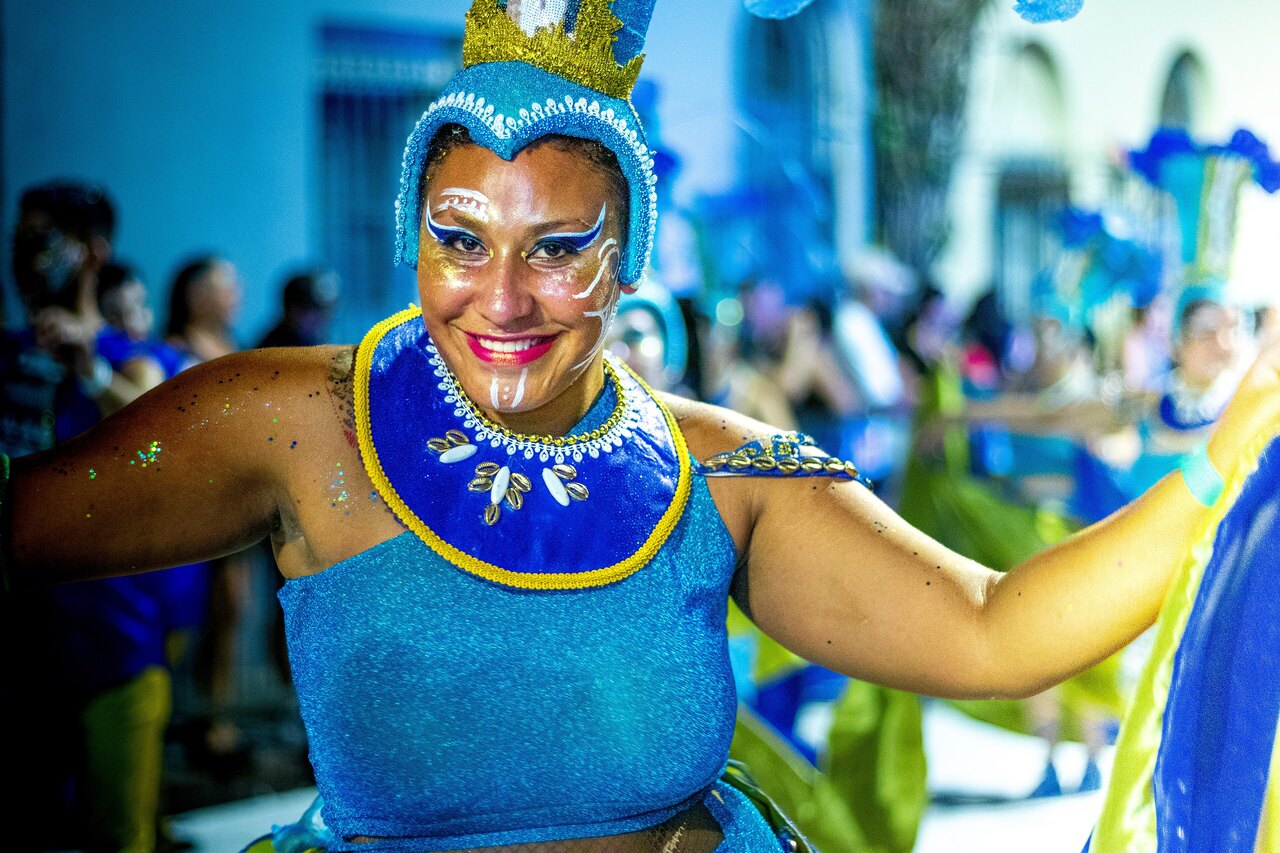
Afternoon. Visit the Museo del Carnaval near the port (about $U 200) for costumes of murga and candombe, or the Museo del Fútbol at the Estadio Centenario (about $U 300), where Uruguay won the first World Cup in 1930.
Evening. Watch the sunset over the water at Playa Ramírez or the Rambla de Pocitos, then eat a chivito, the huge steak sandwich with ham, egg and cheese, for about $U 600-900.
On Sunday afternoons in Barrio Sur and Palermo, groups of candombe drummers parade through the streets, known as llamadas; ask locally for the starting time.
Day 3: Day trip: Colonia del Sacramento
Morning. Take a COT or Turil bus from the Tres Cruces terminal to Colonia del Sacramento (about 2h30, roughly $U 500-700 each way). Enter the Barrio Histórico, a UNESCO site founded by the Portuguese in 1680, through the reconstructed Puerta de Campo.
Afternoon. Walk the cobbled Calle de los Suspiros, climb the lighthouse (about $U 100) beside the ruins of a 17th-century convent, and visit some of the small museums on a single ticket. Hire a golf cart or bike to ride along the coast.
Evening. Watch the sunset over the water from the old walls, then return to Montevideo on an evening bus. Or stay the night: Colonia is quietest after the day trippers from Buenos Aires leave.
Ferries from Buenos Aires reach Colonia in about 1-1.5 hours, so many visitors travel Buenos Aires-Colonia-Montevideo in one direction.
Only have 2 days?
With 2 days, do the Ciudad Vieja and Mercado del Puerto on Day 1 and the Rambla to Pocitos on Day 2. You lose Colonia.
Got extra days?
A 4th day can go to a tannat winery such as Bodega Bouza or Pizzorno, 20-40 minutes from the city. For beaches, Punta del Este is 2 hours east by bus, with José Ignacio and Cabo Polonio, a car-free hippie village with sea lions, further along the coast.
Where to stay in Montevideo
| Budget | Area | Why | Typical double/night |
|---|---|---|---|
| Budget | Ciudad Vieja / Cordón | Hostels near the old town and the university; quiet at night. | $U 1,800-3,500 |
| Mid-range | Pocitos | Safe, residential, beach on the doorstep and restaurants everywhere. | $U 4,500-7,500 |
| Mid-range | Punta Carretas | Leafy streets, the lighthouse and a shopping centre in a former prison. | $U 4,500-7,000 |
| Comfort | Carrasco | Upscale suburb near the airport with beachfront hotels. | $U 9,000-16,000 |
Getting around
City buses cost about $U 50-60 a ride with an STM card or cash; routes follow the Rambla and main avenues. Taxis and Uber are reasonable: Ciudad Vieja to Pocitos is about $U 400-500. Carrasco airport is about 30 minutes from the centre by taxi (about $U 1,500-2,000) or by COPSA bus. Long-distance buses leave from Tres Cruces. The Rambla is flat and ideal for cycling.
What to eat in Montevideo
Uruguayans eat more beef per person than almost anyone. Order at a parrilla: asado de tira (short ribs), vacío (flank), morcilla (blood sausage) and provoleta (grilled provolone), with chimichurri. The chivito is the national sandwich. For sweets, try dulce de leche, alfajores and bizcochos from bakeries. Drink tannat, the country's signature red wine. Mate is everywhere, but cafés rarely sell it. A parrilla dinner with wine costs $U 1,200-2,500.
Best time to visit
November to March is summer, with highs of 25-30°C, beach days and the longest Carnaval in the world, running about 40 days from late January. March to May and September to November are mild at 18-23°C. Winter (June-August) is cool and damp, around 10-15°C, with a cold wind off the river.
Month-by-month weather for Montevideo →
What a day costs
| Budget | Mid-range | Comfort | |
|---|---|---|---|
| Bed (per person, sharing a double) | $U 1,400 | $U 3,000 | $U 6,500 |
| Food & drink | $U 1,200 | $U 2,400 | $U 4,500 |
| Sights & tickets | $U 300 | $U 800 | $U 2,000 |
| Local transport | $U 200 | $U 600 | $U 1,500 |
| Total per person, per day | about $U 3,100 | about $U 6,800 | about $U 14,500 |
Approximate 2026 prices in Uruguayan pesos (about $U 40 to US$1); paying with a foreign card in restaurants and hotels often refunds VAT, which saves around 10-20%.
Before you go
Common questions
Is Montevideo worth visiting from Buenos Aires?
Yes, for two to three days. It is calmer and smaller than Buenos Aires, with a long waterfront, good beef and wine, and easy access to Colonia del Sacramento. Fast ferries from Buenos Aires reach Montevideo in about 2-3 hours, or Colonia in about 1-1.5 hours, with a bus connection on to the capital.
Is Montevideo expensive?
It is one of the most expensive cities in South America, closer to southern European prices than to its neighbours. A coffee costs about $U 150-200, a parrilla dinner $U 1,200-2,500 and a mid-range hotel $U 4,500-7,500. Foreign cards often get VAT refunds in restaurants, which helps.
Is Montevideo safe?
It is one of the safer capitals in Latin America, but petty crime exists. Watch for bag snatching in the Ciudad Vieja and the Centro after dark, keep phones out of sight on quiet streets and use taxis or Uber late at night. Pocitos, Punta Carretas and Carrasco are calm and safe to walk.
When can I see Carnaval in Montevideo?
Carnaval runs about 40 days from late January to early March. The highlights are the Desfile Inaugural parade on Avenida 18 de Julio, the Llamadas candombe parade through Barrio Sur and Palermo in February, and murga theatre shows at the Teatro de Verano. Book tickets for the Llamadas seats early.
How this guide was made
Compiled by TonyPlan from official tourism, transport and attraction sources and on-the-ground travel knowledge. Prices are approximate for 2026 and change with season; anything we could not confirm is marked as approximate.
Some links on this page are partner links. If you book through them TonyPlan may earn a commission; the price you pay is the same. How we make money.