How many days in Israel? 7 days from Tel Aviv to Galilee, Jerusalem and the Dead Sea
By Tony Panopoulos · travel-agency planner in Greece · Updated
Israel is small, about 470 km from north to south, and the classic sights fit into seven days: two nights in Tel Aviv, two in the north around Haifa and the Sea of Galilee, and three in Jerusalem, with a day trip to Masada and the Dead Sea. The rule that shapes every itinerary is Shabbat: from Friday afternoon to Saturday evening most trains and buses stop and many shops in Jerusalem close, so plan that day around walking or a rental car. Before booking, check your government's current travel advice, which changes often.
Short answer
Five days covers Tel Aviv, Jerusalem and the Dead Sea. Seven days add Caesarea, Haifa, Akko and the Galilee shore.
The 7-day plan, day by day
Day 1: Tel Aviv and Jaffa
Morning. Walk the beach promenade south to Old Jaffa (about 40 minutes from central Tel Aviv), one of the oldest ports in the world. Climb to the Abrasha Park viewpoint and wander the restored stone lanes and the Jaffa Flea Market (Shuk HaPishpeshim), closed on Saturdays.
Afternoon. Return through Neve Tzedek, Tel Aviv's first neighbourhood from 1887, to the Carmel Market (Shuk HaCarmel) for fruit, spices and stalls of hummus and burekas. Then walk Rothschild Boulevard, lined with the Bauhaus buildings of the White City, a UNESCO site.
Evening. Sunset on Gordon or Frishman beach, then dinner in the Carmel area, where a sharing meal of small plates costs ₪120-180 per person. Bars around Florentin stay open late.
Free walking tours of the White City Bauhaus buildings start from the Bauhaus Center on Dizengoff Street; check times locally.
Day 2: Caesarea and Haifa
Morning. Pick up a rental car or take the train north. Caesarea National Park (about 50 minutes, roughly ₪40-45) holds the port city built by Herod the Great, with a Roman theatre by the sea and a hippodrome.
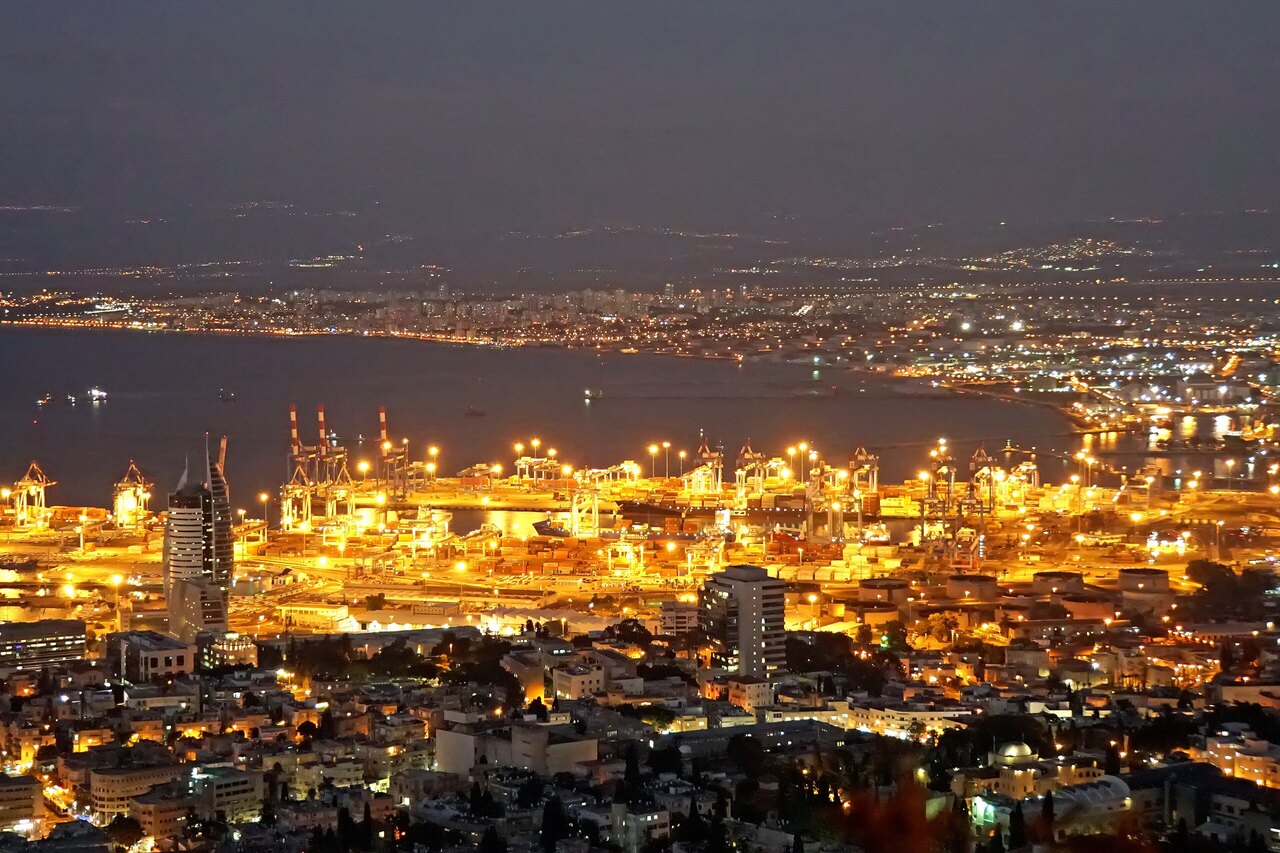
Afternoon. Drive 40 minutes to Haifa and take a free tour of the Bahá'í Gardens, 19 terraces running down Mount Carmel to the golden-domed Shrine of the Báb. The upper terrace tours run most days except Wednesday; times vary, so check before going.
Evening. Stay in Haifa's German Colony, at the foot of the gardens, with restaurants serving Arab and Israeli food; a mixed grill or fish main costs ₪70-120.
Haifa's buses and the Carmelit underground funicular run on Saturdays, unlike most of Israel, because of the city's mixed population.
Day 3: Akko and the Sea of Galilee
Morning. Drive 30 minutes to Akko (Acre), a UNESCO-listed walled port. Walk through the Knights' Halls of the Crusader citadel and the underground Templars' Tunnel (combined ticket about ₪60), then the covered market and the sea walls.
Afternoon. Continue about 1 hour east to the Sea of Galilee. Visit Capernaum, where the ruins of a synagogue stand over older ones, the Mount of Beatitudes and the church of Tabgha with its loaves-and-fishes mosaic; dress modestly, with knees and shoulders covered.
Evening. Sleep in Tiberias or a kibbutz guesthouse on the shore. Order St Peter's fish (tilapia), about ₪80-100.
In summer the Galilee basin, about 200 metres below sea level, reaches 35-40°C. Do the outdoor sites before 11:00.
Day 4: To Jerusalem: the Old City
Morning. Drive to Jerusalem (about 2 hours via Route 6, or via the Jordan Valley). Enter the Old City by Jaffa Gate and climb the Ramparts Walk on the walls (about ₪20) for an overview of the four quarters.
Afternoon. Walk to the Church of the Holy Sepulchre, at the site of the crucifixion and tomb of Jesus in Christian tradition, then the Via Dolorosa and the bazaars of the Muslim Quarter. End at the Western Wall, the most sacred place for Jews to pray, open 24 hours and free.
Evening. Dinner in the Jewish Quarter or by Jaffa Gate, then the Tower of David night show projected on the citadel walls (booking needed, about ₪70-80).
The Temple Mount / Haram al-Sharif is open to non-Muslim visitors only at limited morning and early afternoon times, through the Mughrabi Gate, and closes without notice. Check on the day.
Day 5: Masada and the Dead Sea
Morning. Leave Jerusalem by 6:00 for Masada (about 1h30), the desert fortress where Jewish rebels held out against Rome in 73-74 CE. Climb the Snake Path at sunrise (about 1 hour up) or take the cable car (entry and cable car about ₪80-90).
Afternoon. Drive 20 minutes to the Ein Gedi nature reserve (about ₪30) and walk to David's Waterfall, a 1-hour circuit with ibex. Then float in the Dead Sea, at about 430 metres below sea level, at a public or hotel beach near Ein Bokek.
Evening. Rinse well, drink plenty of water and drive back to Jerusalem. Dinner at the Mahane Yehuda market, whose stalls become bars at night.
Do not shave the day before the Dead Sea and keep the water away from your eyes. Wear water shoes: the salt crystals on the shore are sharp.
Day 6: Yad Vashem and the Israel Museum
Morning. Take the light rail to Mount Herzl for Yad Vashem, the World Holocaust Remembrance Center (free; book a time online, allow 3 hours). The architecture, the Children's Memorial and the Hall of Names are hard but essential.
Afternoon. Go to the Israel Museum (about ₪60-70), home of the Dead Sea Scrolls in the Shrine of the Book and a 1:50 model of Second Temple Jerusalem. The archaeology wing alone needs 2 hours.
Evening. Walk the German Colony on Emek Refaim Street or the Mamilla pedestrian mall and the First Station for dinner, with mains at ₪60-110.
Yad Vashem is closed on Saturdays and closes early on Fridays; children under 10 are not admitted to the main history museum.
Day 7: Mount of Olives and the City of David
Morning. Take a taxi to the top of the Mount of Olives (about ₪40-50) for the classic view of the Dome of the Rock, then walk down past the Jewish cemetery to the Church of All Nations and the Garden of Gethsemane, about 30 minutes.
Afternoon. Visit the City of David archaeological site (about ₪35-40, more with tunnel tours) and wade through Hezekiah's Tunnel, a 2,700-year-old water channel with knee-deep water, about 30-40 minutes.
Evening. Take the train to Ben Gurion Airport (about 25 minutes from Jerusalem Yitzhak Navon station) or back to Tel Aviv for a final night by the sea.
Allow at least 3 hours at Ben Gurion before your flight: departure security questioning can be long.
Only have 5 days?
With 5 days, do Tel Aviv (Day 1), the Jerusalem Old City and museums (Days 4 and 6), Masada and the Dead Sea (Day 5), and add Caesarea on the way between the two cities. You lose the Galilee and Haifa.
Got extra days?
Add Eilat for snorkelling in the Red Sea (about 4 hours by car or 1 hour by plane), the Ramon Crater at Mitzpe Ramon for desert hiking and stargazing, or the Golan Heights wineries and the Banias waterfalls in the far north.
Where to stay in Israel
| Budget | Area | Why | Typical double/night |
|---|---|---|---|
| Budget | Hostels in Tel Aviv Florentin and Jerusalem city centre | Good hostels with private rooms, kitchens and rooftop bars. | ₪250-400 |
| Mid-range | Tel Aviv near the beach | Walk to the sea, the markets and the Bauhaus streets. | ₪600-1,000 |
| Mid-range | Jerusalem near Jaffa Gate / Mamilla | 15 minutes on foot to the Old City and the light rail. | ₪600-1,100 |
| Comfort | Galilee kibbutz hotels and Jerusalem luxury hotels | Lakeside or heritage hotels with big Israeli breakfasts. | ₪1,300-3,000 |
Getting around
The Israel Railways network links the airport, Tel Aviv, Haifa, Akko and Jerusalem; Tel Aviv to Jerusalem takes about 35 minutes for roughly ₪20. Load a Rav-Kav card or use the Moovit and Rav-Pass apps for trains, buses and the Jerusalem light rail. Trains and most buses stop from Friday afternoon to Saturday evening. For the Galilee and the Dead Sea, a rental car (about ₪180-300 a day) gives the most freedom; note that most rental insurance does not cover the West Bank. Shared taxis (sheruts) run on some routes on Shabbat.
What to eat in Israel
Israeli food borrows from every community that arrived. Start with hummus at a hummusiya (₪25-40 a plate, usually only until early afternoon), falafel and sabich (aubergine and egg in pitta, ₪20-30). Shakshuka, eggs baked in tomato, is a breakfast dish, and hotel breakfasts are famous buffets. Try knafeh in Akko or Jerusalem's Muslim Quarter. Chef-led dinners in Tel Aviv cost ₪250-400. Kosher restaurants close on Shabbat. Tipping is 10-15%.
Best time to visit
March to May and October to November are best, with highs of 22-28°C on the coast and pleasant desert days. Summer (June to September) is hot and humid in Tel Aviv, above 30°C, and over 40°C at the Dead Sea. Winter is rainy and cool in Jerusalem (8-12°C). Prices rise and sites close around Passover and Rosh Hashanah to Sukkot.
Month-by-month weather for Israel →
What a day costs
| Budget | Mid-range | Comfort | |
|---|---|---|---|
| Bed (per person, sharing a double) | ₪150 | ₪400 | ₪900 |
| Food & drink | ₪120 | ₪250 | ₪450 |
| Sights & tickets | ₪40 | ₪90 | ₪180 |
| Local transport | ₪30 | ₪100 | ₪200 |
| Total per person, per day | about ₪340 | about ₪840 | about ₪1,730 |
Approximate 2026 prices in Israeli new shekels (₪); foreign tourists paying for hotels in foreign currency are usually exempt from the 18% VAT, so check whether quoted rates include it.
Before you go
Common questions
Is it safe to travel to Israel now?
The situation in Israel and the region has changed often since 2023, with flight cancellations and periods of rocket fire. Check your own government's travel advice and airline schedules before you book and again before you leave, and buy travel insurance that covers the region. Download the Home Front Command app for alerts, and ask your hotel where the nearest shelter is.
Can I visit Bethlehem from Jerusalem?
Bethlehem is in the West Bank, about 10 km from Jerusalem, under Palestinian administration, and access depends on the current security situation. When open, buses from the Damascus Gate area go there; Israeli rental cars are generally not insured. A guided tour is the simplest option; check current advice first.
How does Shabbat affect a trip?
From sunset on Friday to after dark on Saturday, most public transport stops, and in Jerusalem many shops, restaurants and some museums close. Tel Aviv stays lively, with beaches and many restaurants open. Plan Friday morning for markets, which are busiest then, and Saturday for walking the Old City, a beach day, or a self-drive trip.
What should I wear at holy sites?
Cover shoulders and knees at churches, mosques, the Western Wall and in ultra-Orthodox neighbourhoods such as Mea Shearim. Men are given a free kippah at the Western Wall, and women may be asked to cover their hair at some sites. A light scarf and long trousers in your bag solve most situations.
How this guide was made
Compiled by TonyPlan from official tourism, transport and attraction sources and on-the-ground travel knowledge. Prices are approximate for 2026 and change with season; anything we could not confirm is marked as approximate.
Some links on this page are partner links. If you book through them TonyPlan may earn a commission; the price you pay is the same. How we make money.