Home › Australia › How many days
How many days in Australia? 10 days: Sydney, Uluru, the Reef and Melbourne
By Tony Panopoulos · travel-agency planner in Greece · Updated
Australia is roughly the size of the continental United States, and the classic sights are 2,000-3,000 km apart. In ten days you can see four of them if you accept three domestic flights: Sydney, Uluru in the Red Centre, Cairns for the Great Barrier Reef, and Melbourne. Do not try to drive between them. Book the flights first, then everything else around them.
Short answer
Seven days covers Sydney, Uluru and the Reef, flying home from Cairns or Sydney. Ten adds Melbourne and the Great Ocean Road, and a slower pace.
The 10-day plan, day by day
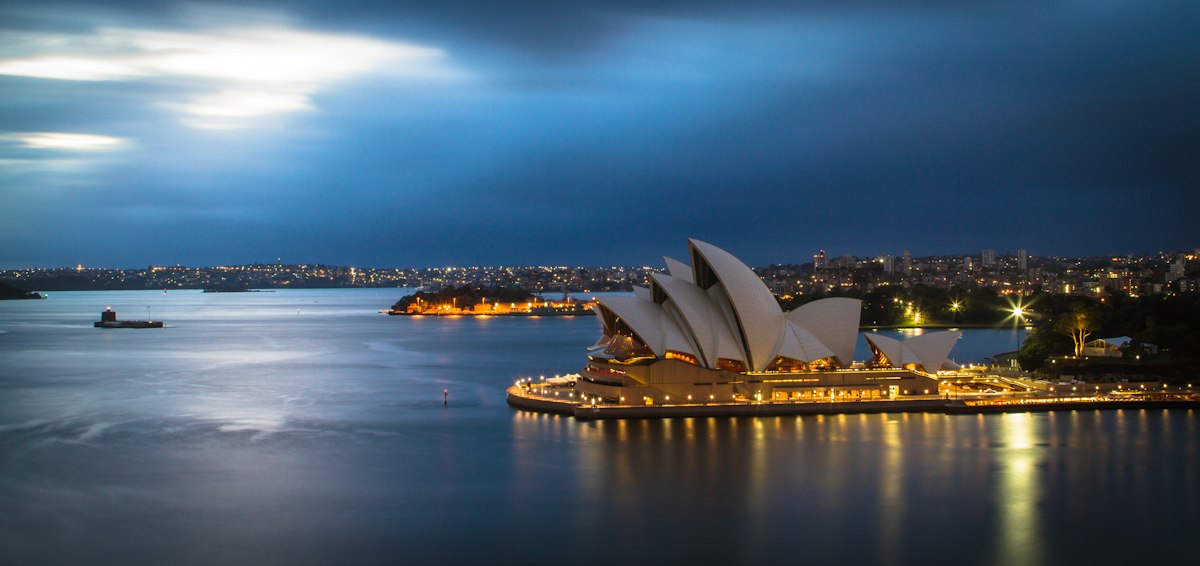
Day 1: Sydney: the Harbour, the Opera House and The Rocks
Morning. Start at Circular Quay and walk 5 minutes to the Sydney Opera House; the 1-hour guided tour costs about A$45-50. Then follow the harbour path into the Royal Botanic Garden (free) to Mrs Macquarie's Chair for the classic view of both the Opera House and the Bridge.
Afternoon. Walk through The Rocks, the convict-era quarter, and climb the stairs onto the Harbour Bridge footpath (free); the Pylon Lookout costs around A$25. The full BridgeClimb runs about A$300-400.
Evening. Take the ferry from Circular Quay to Manly (30 minutes, about A$8-9 with a tapped card) for sunset over the harbour, and fish and chips on the Corso.
Tap any contactless card or phone on Opal readers for trains, buses and ferries. Daily fares cap at about A$19 on weekdays and less on weekends.
Day 2: Bondi to Coogee and the city beaches
Morning. Bus to Bondi Beach (about 30 minutes from the centre) and swim between the red and yellow flags. The Bondi Icebergs pool at the south end charges around A$10.
Afternoon. Walk the Bondi to Coogee coastal walk, about 6 km and 2 hours, past Tamarama, Bronte and the clifftop Waverley Cemetery. Stop at Bronte's free rock pool.
Evening. Eat in Surry Hills or Newtown, where Thai, Vietnamese and modern Australian restaurants charge A$25-40 a main.
The Australian sun is strong even in winter: high UV is common from 9:00. Use SPF 50 and a hat, and only swim at patrolled beaches.
Day 3: Day trip: the Blue Mountains
Morning. Take the train from Central Station to Katoomba, about 2 hours, for the cost of a normal Opal fare. Walk 20 minutes to Echo Point for the Three Sisters rock formation over the Jamison Valley.
Afternoon. Ride the Scenic Railway, one of the steepest in the world, down into the rainforest at Scenic World (about A$60-70 for the rides), or walk the free Prince Henry Cliff Walk to Leura Cascades, 2-3 hours.
Evening. Train back to Sydney and have dinner at Darling Harbour or in Chinatown on Dixon Street.
Mountain weather changes fast: bring a layer, as Katoomba at 1,000 metres is often 8-10°C cooler than Sydney.
Day 4: Fly to Uluru: sunset at the Rock
Morning. Fly from Sydney to Ayers Rock Airport (about 3h30) and transfer by free shuttle to Ayers Rock Resort at Yulara, the only place to stay near the Rock.
Afternoon. Buy the Uluru-Kata Tjuta National Park pass online (about A$38 per adult, valid 3 days). Visit the Cultural Centre near the base to learn the Anangu stories of the land before you walk; climbing has been banned since 2019.
Evening. Drive or take a shuttle to the sunset viewing area and watch the sandstone turn orange, red and purple. The Field of Light installation of 50,000 lights nearby costs about A$50-60 and up.
Flies are thick from October to April. A A$10 head net from the resort shop is the best money you will spend.
Day 5: Uluru base walk and Kata Tjuta
Morning. Watch sunrise from Talinguru Nyakunytjaku, then walk the Uluru base walk, 10.6 km and about 3-4 hours on flat ground, or the shorter Mala walk with a free ranger talk at 8:00.
Afternoon. Rest through the heat at the resort pool, then drive 50 minutes to Kata Tjuta (the Olgas) and walk the Valley of the Winds, 7.4 km and about 3 hours, or the 2.6 km Walpa Gorge.
Evening. Dinner at the resort; book the Sounds of Silence desert dinner if you want the splurge (about A$250+).
From 11:00 on days forecast above 36°C, parts of the Valley of the Winds walk close. Carry at least 1 litre of water per hour.
Day 6: Fly to Cairns and the Esplanade
Morning. Fly from Ayers Rock to Cairns; direct flights take about 2h45 but do not run every day, so you may connect via Sydney or Brisbane.
Afternoon. Swim in the free Cairns Esplanade Lagoon, a big saltwater pool on the waterfront; the sea itself is mudflat here. Book tomorrow's reef boat if you have not.
Evening. Walk the Night Markets on the Esplanade and eat barramundi at one of the marina restaurants for A$35-45.
Box jellyfish and Irukandji are present roughly November to May. Reef boats lend stinger suits; wear one.
Day 7: The Great Barrier Reef
Morning. Board a reef boat at the Reef Fleet Terminal around 8:00. The outer reef, such as Moore Reef or Norman Reef, takes about 90 minutes; trips with snorkelling gear and lunch cost about A$250-300.
Afternoon. Snorkel two or three sites, or add an introductory dive (about A$100-150 extra). Back in Cairns around 17:00.
Evening. Easy dinner and an early night; snorkelling for 4-5 hours is more tiring than it sounds.
The reef tax (Environmental Management Charge) of about A$10 is often added on board. Smaller boats with 30-60 people feel very different from 300-seat catamarans.
Day 8: Kuranda or the Daintree rainforest
Morning. Ride the Kuranda Scenic Railway up through the rainforest (about 2 hours) to the village of Kuranda, with its markets and butterfly sanctuary.
Afternoon. Return over the canopy on the Skyrail cable car, 7.5 km; the combined trip costs about A$140-160. Or instead take a full-day tour north to the Daintree and Cape Tribulation, where rainforest meets the reef.
Evening. Fly to Melbourne tonight (about 3h20) or first thing tomorrow.
Book the Kuranda train in the direction up, Skyrail down; the light is better and you finish near Cairns.
Day 9: Melbourne: laneways, markets and the MCG
Morning. Coffee in Degraves Street, then walk Hosier Lane for street art and Federation Square. The Queen Victoria Market is open most days except Monday and Wednesday.
Afternoon. Visit the National Gallery of Victoria (free permanent collection) and stroll the Royal Botanic Gardens, or take a tour of the Melbourne Cricket Ground (about A$35-40).
Evening. Dinner in Fitzroy or along Lygon Street in Carlton, then catch the penguins returning at St Kilda pier at dusk.
Trams are free within the CBD Free Tram Zone. Outside it, you need a myki card (or, from 2026, tap-on payment as it rolls out).
Day 10: The Great Ocean Road
Morning. Leave by 7:30 for the Great Ocean Road via Torquay and Lorne. Stop at Kennett River for wild koalas in the gum trees.
Afternoon. Reach the Twelve Apostles limestone stacks and Loch Ard Gorge around 14:00, about 3.5-4 hours from Melbourne along the coast.
Evening. Return inland, about 3 hours, or stay overnight in Port Campbell or Apollo Bay if your flight home allows.
It is about 600 km round trip: a tour (A$130-180) avoids the long drive on the left-hand side of the road.
Only have 7 days?
With 7 days, skip Melbourne: three days in Sydney, two at Uluru and two in Cairns, flying home from Cairns via Sydney or Brisbane.
Got extra days?
Add Tasmania (1 hour from Melbourne) for Cradle Mountain and Hobart, the Whitsundays for Whitehaven Beach, or Kangaroo Island from Adelaide.
Where to stay in Australia
| Budget | Area | Why | Typical double/night |
|---|---|---|---|
| Budget | Sydney Kings Cross / Cairns centre | Hostels and simple hotels close to transport and the Esplanade. | A$90-160 |
| Mid-range | Sydney CBD / The Rocks | Walk to the Opera House and the ferries. | A$220-350 |
| Mid-range | Melbourne CBD / Southbank | Inside or next to the free tram zone. | A$200-320 |
| Comfort | Ayers Rock Resort / Port Douglas | Sails in the Desert at Uluru, or resort hotels an hour north of Cairns. | A$450-900 |
Getting around
Fly between the regions with Qantas, Virgin Australia or Jetstar; book 1-3 months ahead, roughly A$150-350 per leg. Sydney Airport to the city is 13 minutes by train (about A$20 with the station fee). In Melbourne, the SkyBus to Southern Cross costs about A$24. At Uluru, a rental car gives the most freedom; shuttles run from the resort. Drive on the left.
What to eat in Australia
Australian food is about produce and immigration. Breakfast is a serious meal: smashed avocado on sourdough and a flat white (A$5-6) in any café. Try barramundi, Moreton Bay bugs and Sydney rock oysters, a meat pie from a bakery, and Vietnamese and Greek food in Melbourne, which has one of the largest Greek communities outside Greece. A café lunch costs A$20-30 and a restaurant main A$30-45. Tipping is not expected. Many restaurants are BYO (bring your own wine) for a small corkage fee.
Best time to visit
September to November and March to May suit the whole route. Uluru is best from May to September (days 20-25°C, cold nights); summer there passes 40°C. Cairns is driest from June to October; the wet season runs from December to April. Sydney and Melbourne are warm from December to February, the busiest and most expensive period.
Month-by-month weather for Australia →
What a day costs
| Budget | Mid-range | Comfort | |
|---|---|---|---|
| Bed (per person, sharing a double) | A$60 | A$130 | A$280 |
| Food & drink | A$50 | A$90 | A$160 |
| Sights & tickets | A$30 | A$80 | A$180 |
| Local transport | A$15 | A$25 | A$60 |
| Total per person, per day | about A$155 | about A$325 | about A$680 |
Approximate 2026 prices in Australian dollars, not including the three domestic flights (roughly A$500-1,000 in total). Prices include 10% GST.
Before you go
Common questions
Do I need a visa for Australia?
Almost everyone does. EU citizens and Britons can apply online for an eVisitor (free) or an ETA through the AusETA app (about A$20), usually approved within a day. US and Canadian passport holders use the ETA. Apply well before booking flights, and check the official Home Affairs website.
Is 10 days enough for Australia?
Ten days is enough for the classic east and centre: Sydney, Uluru, the Reef and Melbourne, with three flights. It is not enough to add Perth, Tasmania or a road trip. Two weeks lets you add the Whitsundays or Tasmania without rushing.
Can I swim at the Great Barrier Reef all year?
Yes, the water is 23-29°C all year. From about November to May, box jellyfish and Irukandji are around the coast and the reef, so tour boats provide stinger suits. The best visibility is usually from August to November, with calmer seas.
Is it worth going to Uluru?
For most first-time visitors, yes. Two nights are enough: sunset on arrival, a sunrise and the base walk the next day, and Kata Tjuta. Flights and the resort are expensive, so expect it to be the priciest part of the trip.
How this guide was made
Compiled by TonyPlan from official tourism, transport and attraction sources and on-the-ground travel knowledge. Prices are approximate for 2026 and change with season; anything we could not confirm is marked as approximate.
Some links on this page are partner links. If you book through them TonyPlan may earn a commission; the price you pay is the same. How we make money.