Home › Vancouver › Where to stay
Where to stay in Vancouver
Vancouver is defined by its dramatic peninsulas and mountain backdrop. Downtown occupies a dense, central tip, while residential pockets radiate outward. Choosing where to stay depends on your priorities: coastal serenity, urban intensity, or local village vibes. Because the city is geographically constrained by water, traffic can be sluggish, making proximity to the SkyTrain or your primary interest points the most critical factor for a stress-free visit.
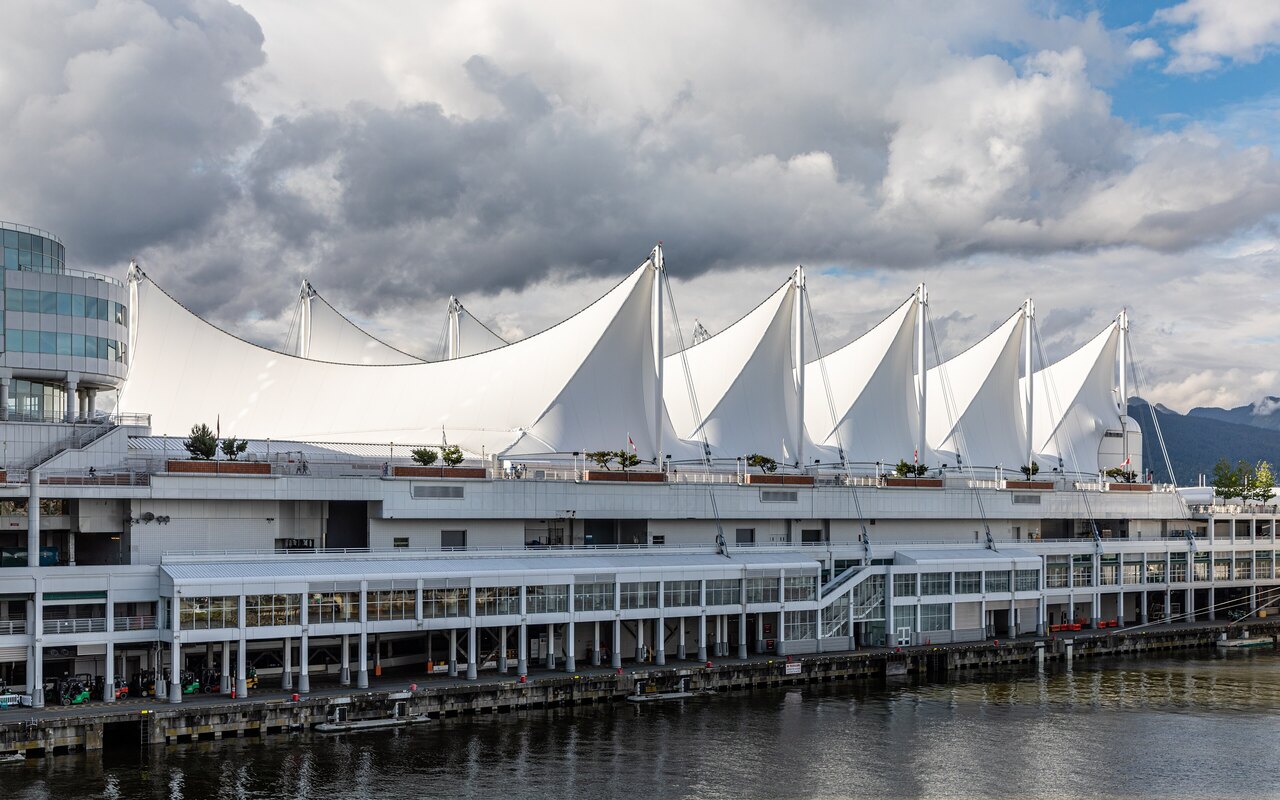
Gastown
This is Vancouver’s oldest neighborhood, characterized by cobblestone streets and Victorian buildings. It feels gritty yet polished, with a strong focus on design and nightlife. You can easily walk to the waterfront at Canada Place or the Vancouver Lookout. Iconic spots include the Steam Clock on Water Street and the dense concentration of independent galleries nearby.
West End
Tucked between the skyscrapers and Stanley Park, the West End is dense, leafy, and highly residential. It feels like a small village despite being minutes from downtown. You can walk to English Bay Beach for sunset or spend an entire day navigating the trails of Stanley Park. Denman Street offers endless affordable eats, while Davie Street remains the city's vibrant hub.
Yaletown
Formerly a warehouse district, Yaletown is now defined by glass towers and converted brick lofts. The vibe is sophisticated and fast-paced, centered around the marina. The Seawall runs directly along the district, allowing for uninterrupted walking or cycling toward False Creek. You are steps from the Roundhouse community center and the upscale restaurants along Mainland and Hamilton streets.
Mount Pleasant
Located just south of the city core, this area feels independent and youthful. The main drag of Main Street is packed with vintage shops, murals, and independent roasters. It is highly walkable if you enjoy browsing eclectic storefronts. You are perfectly positioned to walk to Dude Chilling Park or take a short bus ride to the downtown central library.
Kitsilano
Known locally as 'Kits', this area feels like a permanent beach holiday. It is defined by its proximity to the ocean and the expansive Kitsilano Beach Park. The walkability is excellent for those sticking to West 4th Avenue for shopping or Broadway for cafes. The massive saltwater Kitsilano Pool is a neighborhood staple that draws crowds throughout the summer months.
Rent a car in Vancouver
Compare rental cars from local and international companies, with free cancellation on most bookings.
Compare car rentals in VancouverOne thing to think about
Avoid booking accommodation directly on Granville Street between Nelson and Davie if you are a light sleeper. This stretch is the city's primary nightlife corridor, leading to constant noise from revelers, sirens, and amplified music until the early hours of the morning every weekend.
Once you have a bed
The things that sell out first in Vancouver are the small-group tours and the skip-the-line tickets.
Top tours & activities in Vancouver
Common questions
Is a rental car necessary for visiting Vancouver?
Generally, no. Vancouver has an excellent public transit system, including the SkyTrain and the Seabus, which connects the downtown core to the North Shore. If you stay in central areas, walking and cycling are the most efficient ways to travel. Rent a car only if you plan on exploring deep into the mountains or coastal BC.
What is the best way to travel between downtown and the airport?
The Canada Line is the fastest and most reliable method. This dedicated rapid transit train runs from Vancouver International Airport directly to Waterfront Station in downtown. It takes about 25 minutes, costs significantly less than a taxi or rideshare, and operates with high frequency throughout the day, avoiding all highway traffic congestion.
When is the best time of year to visit the city?
Late June through September offers the most reliable, sunny weather for outdoor activities like hiking and beachgoing. However, the shoulder months of May and October are significantly less crowded and often offer better hotel rates. Be prepared for rain if visiting between November and March, as the city experiences frequent, misty winter precipitation.
Hotel links go to Booking.com. If you book through them TonyPlan earns a small commission — the price you pay is exactly the same.