Home › Uruguay › Where to stay
Where to stay in Uruguay
Uruguay is defined by its compact, walkable Atlantic coastline and a tranquil interior. Montevideo anchors the south with dense urban neighborhoods, while the coastline transitions into seasonal beach towns heading east toward the Brazilian border. Choosing a base depends on whether you seek historical density, surf-focused solitude, or refined resort living. Public transit between these zones is sparse, so focus your stay near the primary waterfront hubs to maximize accessibility to local amenities.
Ciudad Vieja, Montevideo
This is the grid-patterned colonial heart where 18th-century facades meet modern street art. It is incredibly walkable; you can reach the Mercado del Puerto for grilled meats, the Palacio Salvo, and the Plaza Independencia within ten minutes. The atmosphere is gritty, industrious during the day, and quieter at night, offering a distinct contrast to the residential districts further east.
Punta del Este, Maldonado
The peninsula acts as a narrow land bridge between the calm Mansa and rougher Brava beaches. You can walk from the lighthouse to the yacht harbor in minutes. It is polished and manicured, focused on leisure rather than sightseeing. The nearby Gorlero street serves as the main artery for retail and dining, crowded during peak January months but breezy and open off-season.
José Ignacio, Rocha
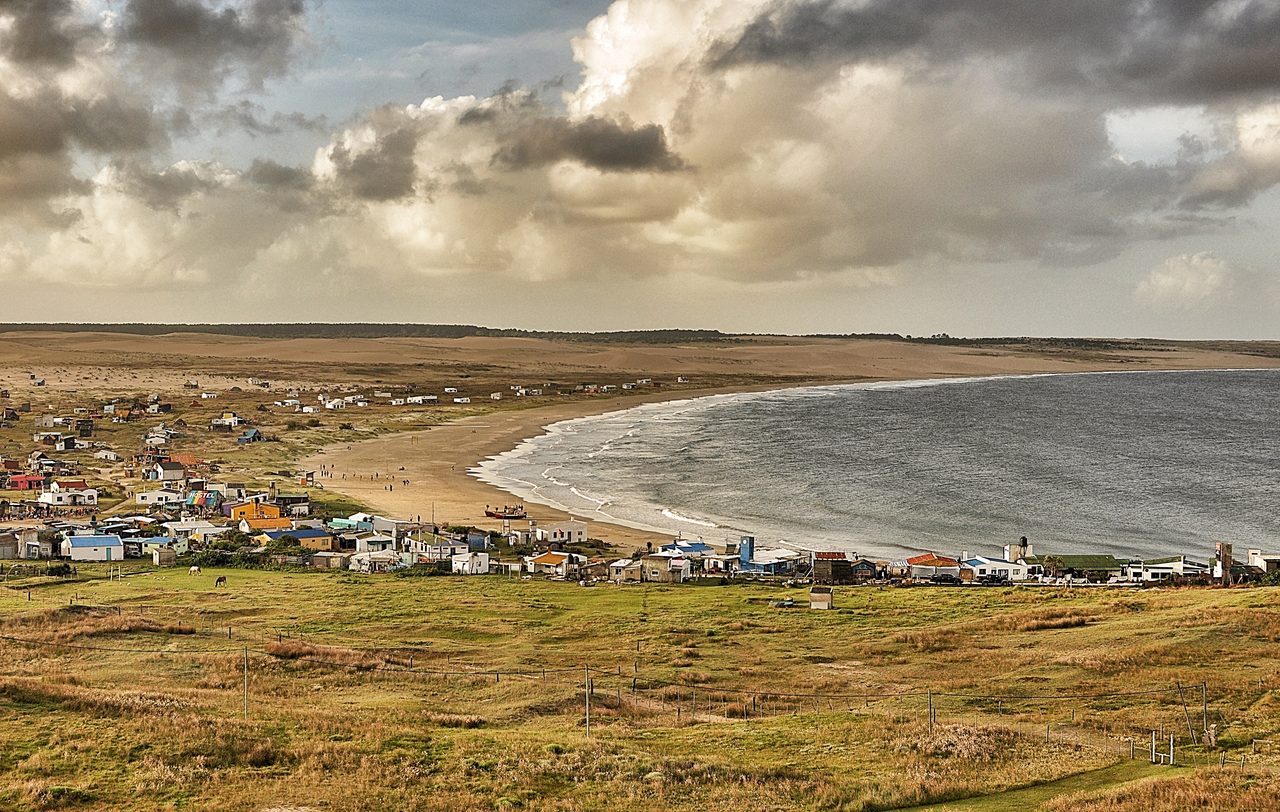
It feels like a secluded outpost where dirt roads meet high-end gastronomy. You can walk the entire village perimeter in twenty minutes, moving between the iconic lighthouse and the beachside restaurants. It lacks the urban intensity of Montevideo, favoring quiet mornings, ocean views, and exclusive seclusion. It is best suited for those who intend to stay stationary and enjoy the ocean breeze.
Rent a car in Uruguay
Compare rental cars from local and international companies, with free cancellation on most bookings.
Compare car rentals in UruguayOne thing to think about
Avoid staying near the main bus terminals in downtown Montevideo or large coastal hubs during January. These areas suffer from extreme traffic noise, chaotic crowds, and a lack of authentic character. Being too far from the coast in small beach towns necessitates a car, as pedestrian infrastructure often ends abruptly once you leave the primary beachfront streets.
Once you have a bed
The things that sell out first in Uruguay are the small-group tours and the skip-the-line tickets.
Top tours & activities in Uruguay
Common questions
Do I need to rent a car to explore Uruguay?
Public buses connect major cities like Montevideo and Punta del Este reliably, but reaching the smaller, more charming coastal villages or rural interior towns is difficult without a car. If you plan to travel between regions or stay in rural Rocha, a rental vehicle is essential for freedom and schedule flexibility.
When is the best time to visit the coastal areas?
The peak season is January, which is crowded and expensive. If you prefer quieter beaches and lower rates, target November, early December, or March. During these shoulder months, the weather is warm enough for the beach, but the tourist infrastructure remains fully operational without the overwhelming congestion found during the summer holidays.
What is the tipping culture like in restaurants?
Tipping is not strictly mandatory, but it is standard practice to leave approximately 10 percent in cash at restaurants if the service was good. Many establishments add a cover charge for the table, which is a mandatory fee rather than a tip, so check your bill carefully before adding additional gratuity.
Hotel links go to Booking.com. If you book through them TonyPlan earns a small commission — the price you pay is exactly the same.