Home › Tuscany › Where to stay
Where to stay in Tuscany
Tuscany is defined by the contrast between its walled hilltop towns and the vast, rolling agricultural landscape of the Val d'Orcia. Choosing where to sleep requires deciding between urban access and rural isolation. Public transport is unreliable outside major rail hubs, so staying in cities like Florence or Siena allows for walking, while rural farmhouse stays necessitate renting a car to access markets, vineyards, and neighboring historical landmarks.
Oltrarno, Florence
This is the authentic heart of Florence, where metalworkers and leather crafters still operate. It feels lived-in and communal compared to the museum-heavy side of the Arno. You can easily walk to the Pitti Palace and the Boboli Gardens in minutes, while the climb up to Piazzale Michelangelo for sunset is a daily ritual for locals.
Siena City Center
Siena is dense and pedestrian-focused, characterized by its narrow, brick-paved streets and gothic architecture. Staying within the walls means you are always a ten-minute walk from the Piazza del Campo. The city feels intimate and vertical, offering plenty of steep alleyways to explore that lead directly to the Duomo di Siena, a masterpiece of Italian Romanesque-Gothic design.
Val d'Orcia, Southern Tuscany
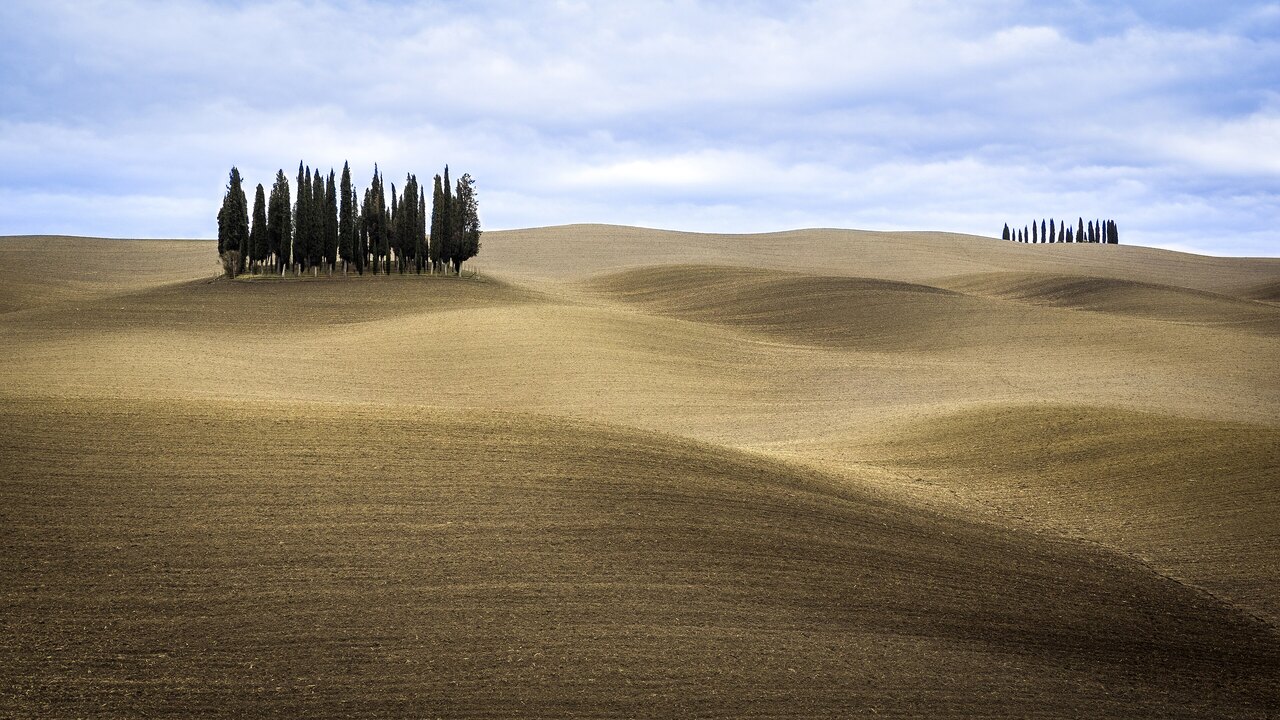
This UNESCO-listed valley is defined by cypress-lined roads and golden wheat fields. It is not walkable in a traditional sense; you will spend your time driving between medieval hilltop villages like Pienza and Montepulciano. It is about quiet mornings on a terrace and long, multi-course dinners. You are here to disconnect from urban noise entirely.
Rent a car in Tuscany
Compare rental cars from local and international companies, with free cancellation on most bookings.
Compare car rentals in TuscanyOne thing to think about
Avoid staying near the main train station (Santa Maria Novella) in Florence if you are sensitive to noise. While convenient for arrivals, the constant pedestrian traffic, idling taxis, and late-night crowds make it an exhausting base compared to staying deeper within the historic city walls.
Other places to stay in Italy: lastminute.com · UNA Italian Hospitality · Megabon
Once you have a bed
The things that sell out first in Tuscany are the small-group tours and the skip-the-line tickets.
Top tours & activities in Tuscany
Common questions
Do I need to rent a car to enjoy Tuscany?
If your trip is limited to Florence, Pisa, or Lucca, you can rely on the efficient regional train network. However, to experience the actual Tuscan countryside, vineyards, and hilltop towns, a car is essential. Public buses exist but are infrequent and often skip the most scenic, remote routes you will want to see.
When is the best time of year to visit?
Late spring, specifically May and early June, offers the most vibrant green landscapes and pleasant temperatures. September and October are equally excellent, coinciding with the grape harvest. Avoid August, as the heat is intense, many local businesses close for holidays, and the major tourist sights become overwhelmingly crowded and uncomfortable.
Are the hilltop towns easy to walk around?
Be prepared for significant elevation changes. Most Tuscan hilltop towns, such as San Gimignano or Volterra, feature steep cobblestone inclines and uneven terrain. While they are technically walkable because they are small, they are physically demanding. Comfortable footwear with excellent grip is mandatory, and those with mobility issues should research accessible entry points beforehand.
Hotel links go to Booking.com. If you book through them TonyPlan earns a small commission — the price you pay is exactly the same.