Where to stay in Tunis
Tunis is split between the medieval, dense Medina and the colonial-era Ville Nouvelle. Your choice dictates your experience: stay in the Medina for historic atmosphere and narrow alleys, or the Ville Nouvelle for wide boulevards, cafes, and easy access to transit. Choosing correctly is vital, as the city’s layout is defined by the stark transition from the bustling, claustrophobic walled center to the expansive, airy grid of the French-influenced districts nearby.
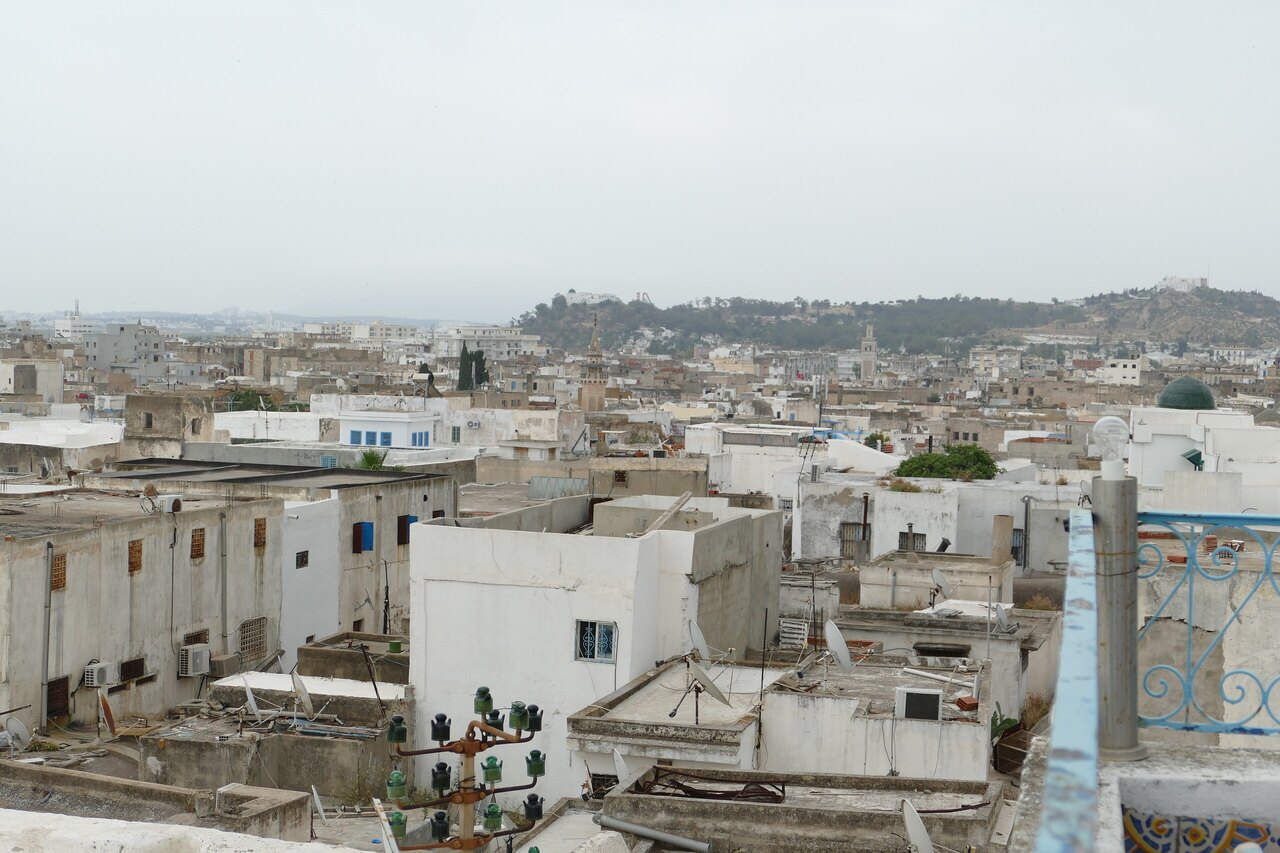
The Medina
It feels like stepping back centuries, with winding, labyrinthine alleyways and constant sensory input. It is entirely pedestrianized, making it perfect for walking to the Great Mosque of Zitouna and the vibrant souks. You will be surrounded by craftsmen and traditional architecture, though street noise is frequent and navigation can be difficult after dark.
Ville Nouvelle
This area features the central Avenue Habib Bourguiba, acting as the city's main spine. It is highly walkable and connects directly to the Medina via the Porte de France. You will find colonial-era facades, numerous outdoor seating areas, and shops. It is the most practical base for those wanting a mix of modern amenities and historic access.
La Marsa
Located on the northern coast, this area offers a breezy, upscale atmosphere with Mediterranean views. You can walk along the Corniche or explore the seaside cafes and restaurants. It is connected to central Tunis by the TGM light rail, allowing for easy day trips to the ruins of Carthage or the historic blue-and-white village of Sidi Bou Said.
Sidi Bou Said
Built on a cliff overlooking the Gulf of Tunis, the area is famous for its blue doors and whitewashed walls. It is entirely walkable, though very hilly with steep cobblestone streets. While touristy, staying here allows you to experience the cliffside cafes like Café des Nattes after the day-trippers depart. It is quiet, artistic, and visually striking.
Rent a car in Tunis
Compare rental cars from local and international companies, with free cancellation on most bookings.
Compare car rentals in TunisOne thing to think about
Avoid booking accommodation solely based on proximity to the TGM light rail stations in the southern suburbs if you are sensitive to noise. The train tracks are elevated or street-level in many places, and the frequent, rumbling transit can disrupt sleep in rooms facing the street.
Once you have a bed
The things that sell out first in Tunis are the small-group tours and the skip-the-line tickets.
Top tours & activities in Tunis
Common questions
Is it easy to get around Tunis without a car?
Yes, Tunis is well-connected. The TGM light rail serves the northern suburbs and coastal areas, while the metro system covers the city center. For the Medina, you must walk, as streets are too narrow for cars. Taxis are plentiful, inexpensive, and generally the most efficient way to travel between different districts quickly.
What is the best way to handle tipping in Tunis?
Tipping is standard practice in restaurants and cafes. It is customary to leave around 10 percent of the bill if service is not included. For smaller purchases or coffee, rounding up to the nearest dinar is appreciated. Always carry small denominations of cash, as change for large bills can be difficult to find.
When is the best time of year to visit?
Spring, from March to May, or autumn, from September to November, offer the most comfortable temperatures for walking. Summer months can be intensely hot, often exceeding 35°C, making the afternoon hours difficult for exploring the Medina. Winters are mild but rainy, which can make the narrow, unpaved streets of older quarters quite muddy and unpleasant.
Hotel links go to Booking.com. If you book through them TonyPlan earns a small commission — the price you pay is exactly the same.