Home › Switzerland › Where to stay
Where to stay in Switzerland
Switzerland is defined by its dramatic topography, where mountain ranges and crystalline lakes dictate the pace of life. Regional hubs are tightly connected by a world-class rail network, meaning your choice of base determines your access to high-altitude peaks or urban lakeside living. Whether nesting in a valley floor or a historic city center, prioritizing proximity to major train stations is essential for seamless exploration of both bustling cantons and remote alpine trails.
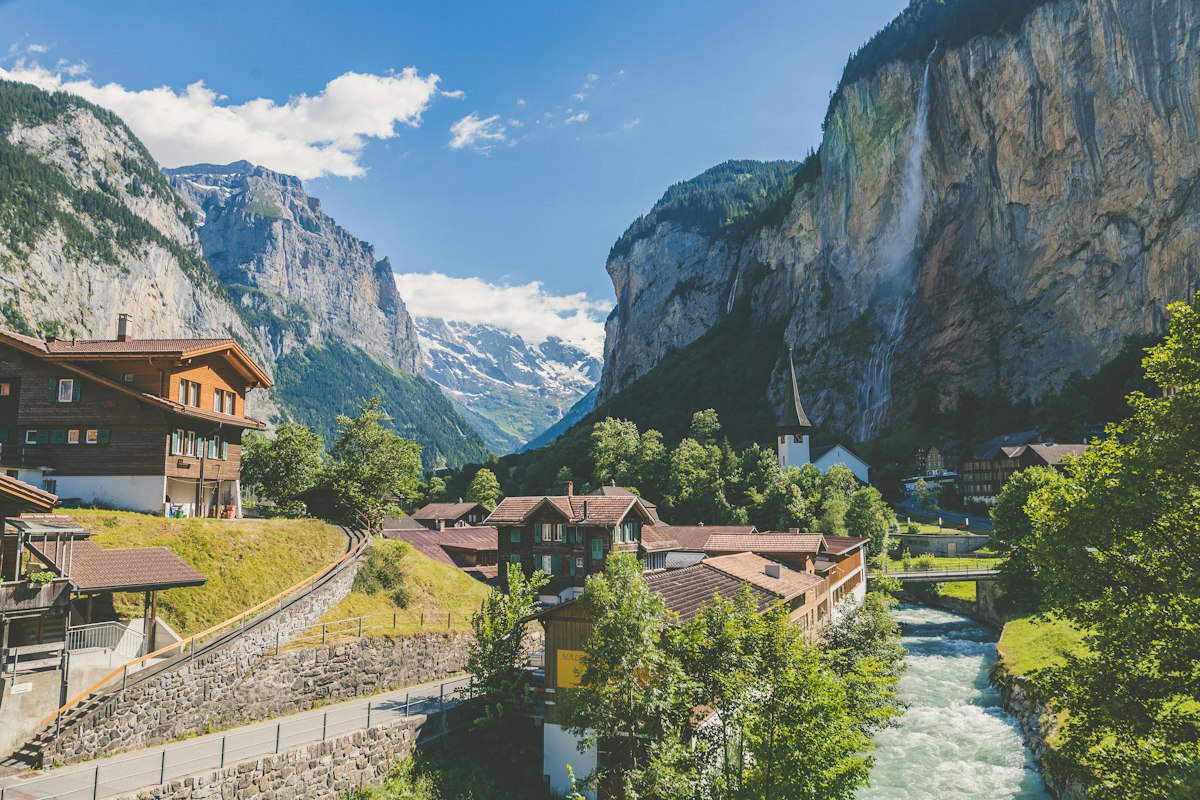
Altstadt, Zurich
This is the medieval heart of Zurich, characterized by narrow cobblestone lanes and steep church spires. You are walking distance from the Fraumünster church and the upscale boutiques of Bahnhofstrasse. It feels sophisticated and dense, with centuries-old guild houses flanking the river. The area transitions from quiet morning historical tours to a vibrant, upscale nightlife scene as the sun sets over the water.
Lutry, Lake Geneva
Nestled within the Lavaux vineyards, a UNESCO World Heritage site, Lutry offers a serene alternative to the nearby city bustle. The waterfront promenade is fully walkable, leading you directly to local docks for ferry transport across Lake Geneva. The atmosphere is authentically Swiss-French, marked by stone cellar wineries and sun-drenched terraces overlooking the water, providing an intimate perspective on the region's famous viticulture.
Zermatt Village Center
The village is entirely car-free, creating a unique, quiet atmosphere despite the high volume of visitors. Everything is walkable, from the main Bahnhofstrasse to the base of the mountain lifts. The architecture is dominated by traditional larch-wood chalets and elevated granaries. It feels like a high-altitude sanctuary, perfectly positioned for immediate ascent into the surrounding peaks for hiking or skiing in any season.
Rent a car in Switzerland
Compare rental cars from local and international companies, with free cancellation on most bookings.
Compare car rentals in SwitzerlandOne thing to think about
Avoid staying near major transport hubs like Zurich HB or Geneva Cornavin if you are a light sleeper, as constant nocturnal freight and passenger rail traffic creates persistent noise. Furthermore, skip over-hyped, hotel-heavy lakeside clusters that lack local residential character, as these often inflate prices while providing little beyond standard tourist-facing amenities and overpriced dining.
Other places to stay in Switzerland: lastminute.com · Megabon
Once you have a bed
The things that sell out first in Switzerland are the small-group tours and the skip-the-line tickets.
Top tours & activities in Switzerland
Common questions
Is a Swiss Travel Pass worth the cost for a short trip?
It is almost always worth it if you plan to move between regions by train. The pass provides unlimited travel on the SBB network, plus free entry to over 500 museums and discounts on mountain excursions. If you intend to stay in one village and hike, you might be better off buying point-to-point tickets instead.
What is the best way to travel between Swiss regions?
The train is the gold standard. Swiss rail is incredibly punctual, clean, and covers even the most remote alpine villages. Avoid renting a car for city-to-city travel, as parking is prohibitively expensive, urban traffic is congested, and many mountain villages, like Zermatt, strictly forbid private vehicles within their municipal boundaries.
Do I need to carry cash while traveling in Switzerland?
Switzerland is nearly a cashless society. You can pay for almost everything, including small coffees and station lockers, using contactless cards or mobile payment apps. While carrying a small amount of Swiss Francs is useful for rare situations like remote mountain hut tips or small village markets, it is rarely a necessity for standard travel.
Hotel links go to Booking.com. If you book through them TonyPlan earns a small commission — the price you pay is exactly the same.