Where to stay in Spain
Spain is defined by its regional diversity, with massive urban centers functioning as dense clusters of distinct barrios, while rural areas rely on winding historic cores. Because public transit is excellent in cities but sparse elsewhere, your choice of stay determines your pace. Coastal areas require proximity to beaches, while inland historic towns are best experienced by staying within walking distance of the central plaza to avoid long treks across uneven, hilly cobblestones.
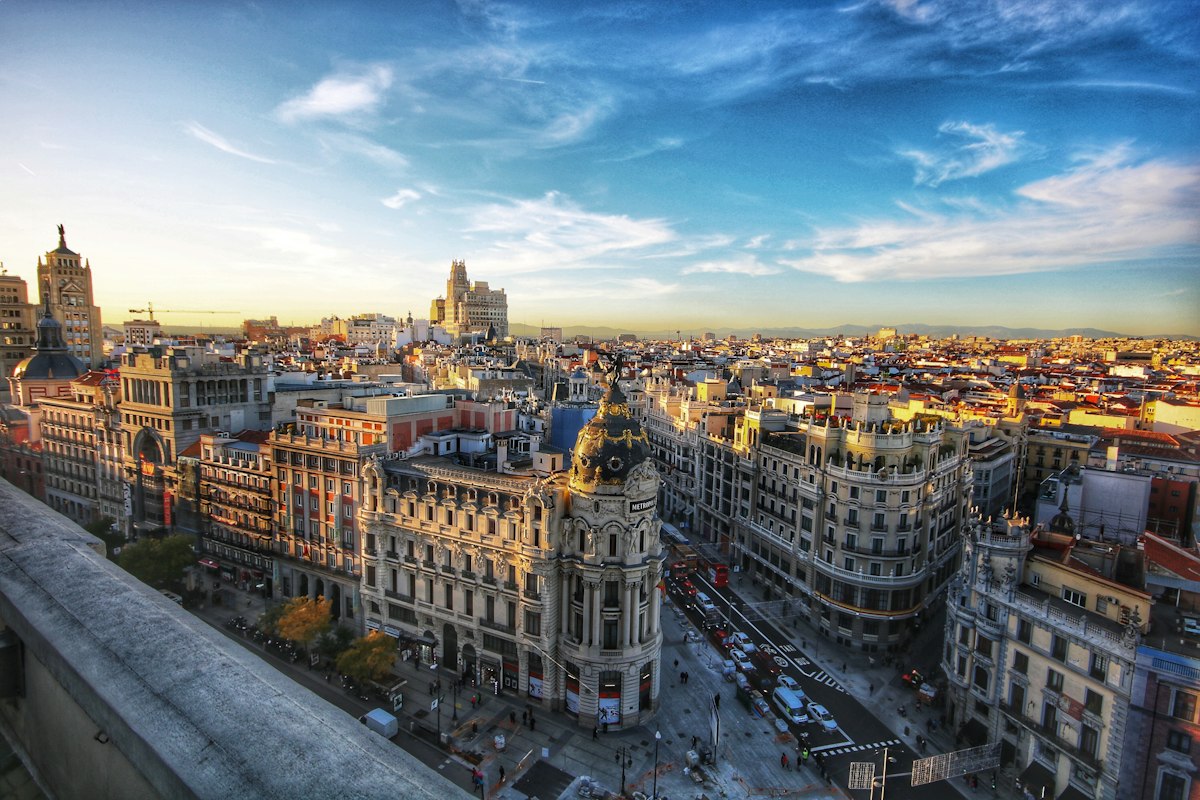
Barrio Gòtic, Barcelona
This is a maze of narrow stone alleyways where you live amongst centuries-old landmarks like the Barcelona Cathedral. You can easily walk to the seaside in Barceloneta or reach the high-end shops of Passeig de Gràcia. The atmosphere is constant, dense, and energetic, feeling like a living museum that never sleeps. It is the core of the city's history.
Santa Cruz, Seville
Formerly the Jewish quarter, this area is a labyrinth of whitewashed houses and small squares. You are steps away from the Giralda tower and the Real Alcázar. It is entirely pedestrianized, making it perfect for wandering to nearby tapas bars without needing a taxi. The feeling is quiet and intimate, defined by the sound of horse carriages on cobblestones.
Malasaña, Madrid
Centered around the Plaza del Dos de Mayo, this district is full of independent boutiques, vintage shops, and lively taverns. It is highly walkable to the Gran Vía for shopping or the expansive greenery of Retiro Park. The vibe is gritty, creative, and loud, shifting from quiet morning coffee spots to crowded, high-energy bars after dark.
Rent a car in Spain
Compare rental cars from local and international companies, with free cancellation on most bookings.
Compare car rentals in SpainOne thing to think about
Avoid booking accommodation directly on or adjacent to major transit hubs like Madrid's Atocha or Barcelona's Sants. While convenient for trains, these areas are often sterile, lack authentic dining options, and become desolate or noisy transit corridors once the business day ends, forcing you to travel further for local character.
Other places to stay in Spain: lastminute.com · Garden Hotels · MarSenses · THB Hotels · Magic Hotels · htop Hotels · B-Hotel Barcelona · NN Hotels · Megabon
Once you have a bed
The things that sell out first in Spain are the small-group tours and the skip-the-line tickets.
Top tours & activities in Spain
Common questions
Do I need a rental car for my trip?
In major cities like Madrid, Barcelona, or Seville, a car is a liability due to limited parking and strict traffic restrictions. Use the high-speed AVE train network between cities and local metros for urban travel. Rent a car only if you plan to explore rural regions like the Picos de Europa or interior Andalusia.
When is the best time of year to visit?
Late spring, specifically May and June, or early autumn in September and October offer the best climate. July and August in the interior are oppressively hot, often exceeding 40°C, which forces locals indoors and makes walking the historic streets exhausting. Coastal regions remain pleasant, but major cities are better enjoyed in the shoulder seasons.
What should I know about dining schedules?
Spaniards eat significantly later than most other Europeans. Lunch typically runs from 2:00 PM to 4:00 PM, and dinner rarely begins before 9:00 PM. Many restaurants will be closed or strictly serving drinks during the gap hours between 5:00 PM and 8:00 PM. Plan your day around these shifts to ensure you are not caught hungry.
Hotel links go to Booking.com. If you book through them TonyPlan earns a small commission — the price you pay is exactly the same.