Home › South Korea › Where to stay
Where to stay in South Korea
South Korea is defined by high-speed rail connectivity, making the Seoul metropolitan area the primary hub for international travelers. While Seoul is a sprawling mega-city with distinct districts, the rest of the country is best navigated by jumping between regional city centers. Choose accommodations near major subway lines in Seoul or within walking distance of KTX stations in provincial cities to maximize your travel efficiency.
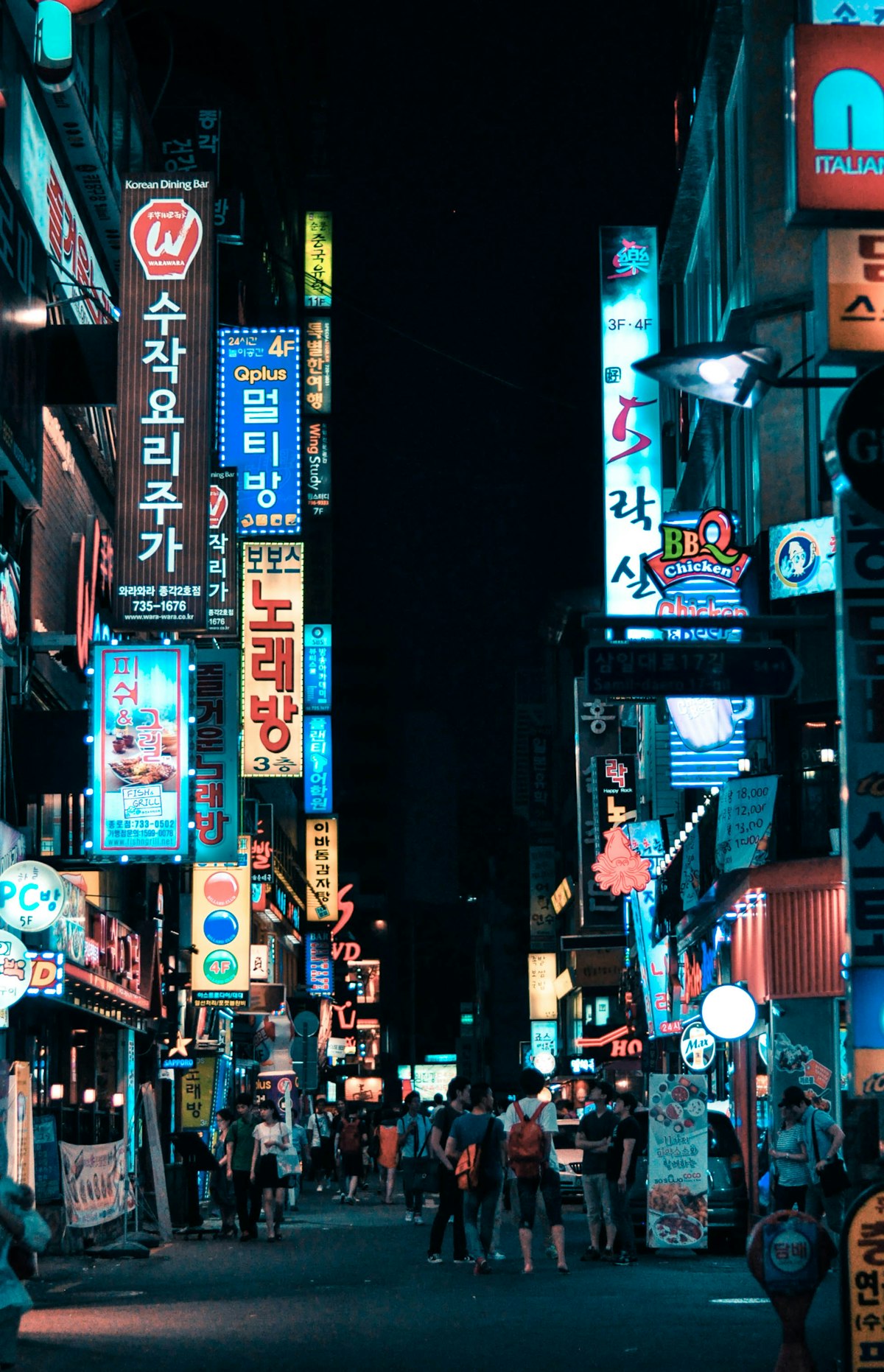
Myeong-dong, Seoul
This dense district is a sensory overload of neon signs, cosmetic shops, and endless food carts. It is walkable to the historic Namsan cable car and the bustling Namdaemun Market. You are positioned perfectly to reach palaces like Gyeongbokgung via a short subway hop, keeping you in the thick of the action throughout your stay.
Seongsu-dong, Seoul
Once an industrial hub, this area now features converted warehouses housing high-end cafes and concept stores. It sits right next to the massive Seoul Forest park, perfect for morning runs. You can easily walk to the Han River banks, and the neighborhood feels far more authentic and relaxed than the sterile glass towers of Gangnam.
Haeundae, Busan
This is Busan's most prominent beach strip, lined with skyscrapers and upscale hotels. You can walk from your hotel directly onto the sand or visit the SEA LIFE Busan Aquarium. It is highly tourist-focused, providing an easy entry point for English speakers, with a boardwalk that stretches towards the scenic Dalmaji-gil road for coastal views.
Bukchon Hanok Village, Seoul
Nestled between two major palaces, this neighborhood features narrow, sloping alleys and traditional architecture. It is extremely walkable to the National Folk Museum and the artisanal shops of Samcheong-dong. Staying here offers a stark, peaceful contrast to the city's neon-lit commercial districts, providing a unique vantage point of Seoul’s cultural preservation efforts.
Rent a car in South Korea
Compare rental cars from local and international companies, with free cancellation on most bookings.
Compare car rentals in South KoreaOne thing to think about
Avoid staying in the immediate vicinity of major KTX railway stations like Seoul Station or Busan Station if you seek nightlife or charm. These areas are utilitarian, often feel sterile after dark, and suffer from high volumes of commuters, making them lackluster home bases for multi-day trips.
Once you have a bed
The things that sell out first in South Korea are the small-group tours and the skip-the-line tickets.
Top tours & activities in South Korea
Common questions
Do I need to carry cash for daily expenses?
While South Korea is a leader in digital payments, keep a small amount of cash on you for street food stalls and traditional markets. Most major shops, hotels, and restaurants accept international credit cards, but smaller, family-run kiosks and local bus fares often favor cash or the T-money transit card.
How do I get around between different cities?
The KTX high-speed rail is your best bet for cross-country travel. Download the Korail app to book tickets in advance, as weekend seats sell out quickly. Trains are punctual, clean, and offer comfortable seating, effectively turning the country's major regional cities into easily accessible day-trip destinations for the average tourist.
Is it difficult to navigate the subway system?
Navigating is remarkably straightforward even without fluency in Korean. Every station name is numbered and announced in English, and most lines are color-coded. Using a map app like Naver Maps or KakaoMap is essential, as Google Maps lacks accurate walking directions for this region due to local security policies.
Hotel links go to Booking.com. If you book through them TonyPlan earns a small commission — the price you pay is exactly the same.