Home › South Africa › Where to stay
Where to stay in South Africa
South Africa is vast, requiring strategic planning around geography rather than city-hopping. Its major hubs are separated by long distances, making regional bases essential. Choose your destination based on interest—coastal Cape Town for mountains and ocean, the Winelands for scenery, or the bushveld for safari. Within cities, your base dictates your safety and proximity to amenities, as public transport is limited and most residents rely on private vehicles or ride-sharing services to navigate between disjointed districts.
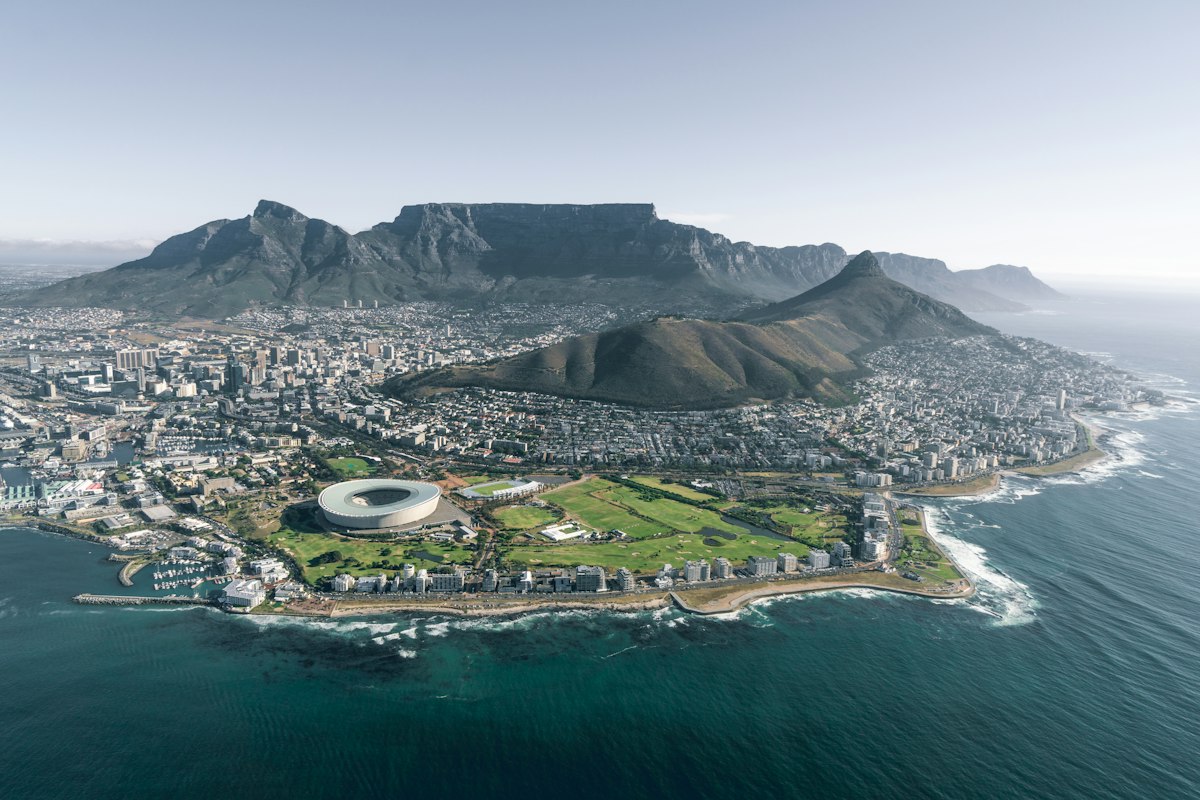
City Bowl, Cape Town
This is the central urban heartbeat. Staying here places you within blocks of Bree and Long Streets, dense with cocktail bars and dining. It feels kinetic and historic, framed by Table Mountain. You can easily walk to the Iziko South African Museum or the Company’s Garden. It is the best starting point for a Cape Town stay before venturing to outlying beaches or mountain trails.
Franschhoek, Cape Winelands
Franschhoek functions like a leafy European village nestled in a valley. The entire town center is walkable, centered on the main road lined with galleries and boutiques. It feels refined and quiet, focusing on wine estates and the local Huguenot Monument. It is perfect for those who prefer leisurely, scenic days and evenings spent dining at some of the country’s top-rated restaurants.
Umhlanga Rocks, Durban
This coastal strip features a polished, modern promenade that stretches for miles along the warm Indian Ocean. It is walkable, safe for pedestrians, and flanked by high-end shopping at the Gateway Theatre of Shopping. The vibe is resort-focused and sunny, dominated by upscale hotels and proximity to the Umhlanga Lighthouse. It serves as a comfortable, predictable launchpad for exploring KwaZulu-Natal’s northern coast.
Rent a car in South Africa
Compare rental cars from local and international companies, with free cancellation on most bookings.
Compare car rentals in South AfricaOne thing to think about
Avoid staying near the central bus stations or transit interchanges in major cities; these areas often become desolate at night and are difficult to navigate on foot. Relying on walking outside of designated commercial hubs after dark is impractical, as distances are greater than they appear on maps.
Once you have a bed
The things that sell out first in South Africa are the small-group tours and the skip-the-line tickets.
Top tours & activities in South Africa
Common questions
How do I get around South Africa?
Renting a car is the most practical choice for flexibility, especially for the Garden Route or the Winelands. In major cities like Cape Town or Johannesburg, rely on ride-sharing apps like Uber or Bolt. Avoid public buses or trains as they are not designed for tourist travel and often lack reliable schedules or safety protocols.
When is the best time to visit?
Spring, from September to November, offers the best balance of moderate temperatures and blooming flora. Safari enthusiasts should target the dry winter months, from June to August, when sparse vegetation makes spotting wildlife significantly easier. Cape Town summers are vibrant but windy, so manage your expectations regarding beach days and mountain cable car availability.
Is it safe for tourists?
South Africa requires situational awareness rather than constant fear. Avoid displaying valuables, keep doors locked while driving, and stick to well-lit, populated areas after dark. Stick to established tourist routes and use reputable transport services. Most incidents are preventable by following local advice, staying alert, and avoiding isolated areas, particularly when traveling outside of major urban centers.
Hotel links go to Booking.com. If you book through them TonyPlan earns a small commission — the price you pay is exactly the same.