Home › Singapore › Where to stay
Where to stay in Singapore
Singapore is a compact, highly efficient city-state where the MRT rail network dictates accessibility. While the Central Business District hums with corporate energy, the cultural enclaves like Chinatown and Little India offer distinct, walkable historical footprints. Choosing your base depends on whether you prefer modern luxury, vibrant street life, or proximity to transit hubs, as the island is small enough that no location is ever truly isolated from the rest of the action.
Chinatown
The streets are dense with narrow shophouses, incense-filled temples, and bustling food markets. It is entirely walkable, leading directly into the CBD. You can stroll to the Buddha Tooth Relic Temple or browse the stalls along Pagoda Street. At night, the area pulses with neon lights and tables spilling onto the sidewalks, making it a high-energy base for exploring the city.
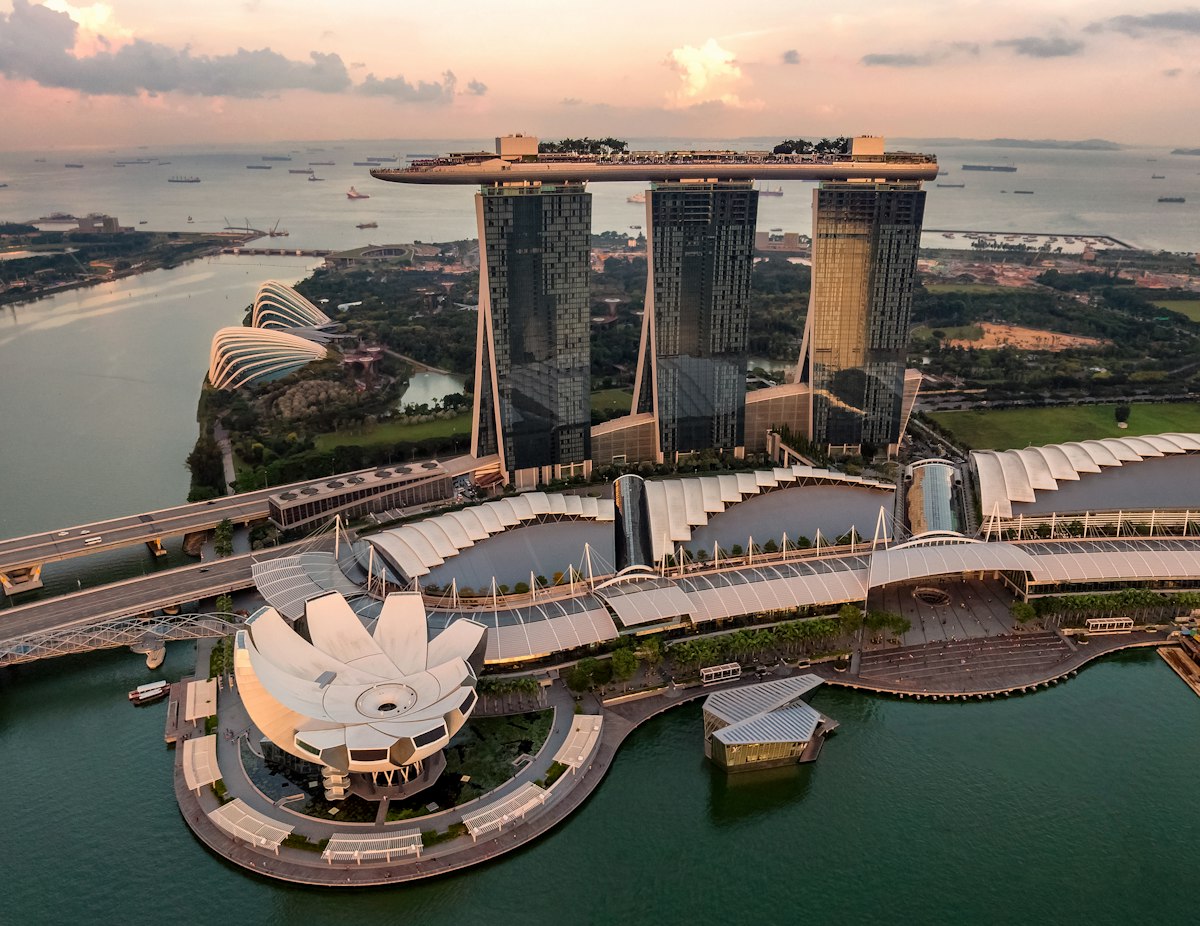
Marina Bay
This area defines Singapore’s futuristic skyline. It feels vast, clean, and meticulously planned. Everything is connected by underground tunnels and bridges, making it easy to walk to the ArtScience Museum or the Gardens by the Bay. Expect grand hotel lobbies and expensive cocktails overlooking the water, far removed from the grit and noise of the older residential districts.
Kampong Glam
Centered around Haji Lane and Arab Street, this neighborhood feels intimate and bohemian compared to the polished core. It is highly walkable, filled with textile shops, fragrance boutiques, and trendy brunch spots under the shadow of the Sultan Mosque. The atmosphere is relaxed during the day and turns into a social hub with live music and outdoor shisha bars at night.
Little India
The area is a kaleidoscope of sights and sounds, dominated by the scent of spices and jasmine garlands. Walking down Serangoon Road, you pass intricate Hindu temples like Sri Veeramakaliamman and chaotic, fascinating wet markets. It feels raw and authentic, offering a sharp contrast to the corporate sterility of other districts, and remains highly connected via the main MRT line.
Tiong Bahru
Originally a housing estate, it has transformed into a stylish enclave of independent bookstores and artisanal bakeries. It feels like a village within the city, characterized by unique rounded balconies and leafy streets. It is perfectly walkable, with the Tiong Bahru Market as its focal point for legendary hawker meals. It provides a slower, more sophisticated pace than the central tourist zones.
Rent a car in Singapore
Compare rental cars from local and international companies, with free cancellation on most bookings.
Compare car rentals in SingaporeOne thing to think about
Avoid booking accommodation near the immediate Geylang area if you prioritize a quiet night. While it is famous for late-night food, the street layout is chaotic, and it is significantly further from major tourist landmarks, often requiring tedious bus transfers compared to central districts.
Once you have a bed
The things that sell out first in Singapore are the small-group tours and the skip-the-line tickets.
Top tours & activities in Singapore
Common questions
How do I get around most efficiently?
The MRT system is your best friend. It is cheap, clean, and covers almost every major point of interest. Avoid taxis during peak hours or heavy rain, as demand surges and prices increase significantly. Use a contactless credit card or your phone's digital wallet for seamless tap-and-go entry at all subway turnstiles.
Do I need to carry cash everywhere?
While most modern malls and restaurants accept cards, you absolutely need cash for hawker centers and smaller, traditional businesses in neighborhoods like Chinatown or Little India. Many of these vendors operate on a cash-only basis or use local QR payment apps that tourists cannot access, so keep small denominations handy for daily snacks.
Is the city expensive for a short trip?
It can be, but it depends on your choices. Alcohol and luxury hotels carry high price tags, but you can eat world-class meals at hawker centers for less than six dollars. If you stick to public transit and mix free parks with paid attractions, you can manage a balanced budget quite easily.
Hotel links go to Booking.com. If you book through them TonyPlan earns a small commission — the price you pay is exactly the same.