Where to stay in Seoul
Seoul is a sprawling metropolis bisected by the Han River. The northern districts hold centuries of history and traditional architecture, while the southern side features modern glass towers and high-end retail. Public transport is exceptionally efficient, but choosing your base carefully minimizes long subway commutes across the river. Focus your search near major subway lines to balance historic sightseeing in the north with the contemporary dining and shopping scenes found throughout the city.
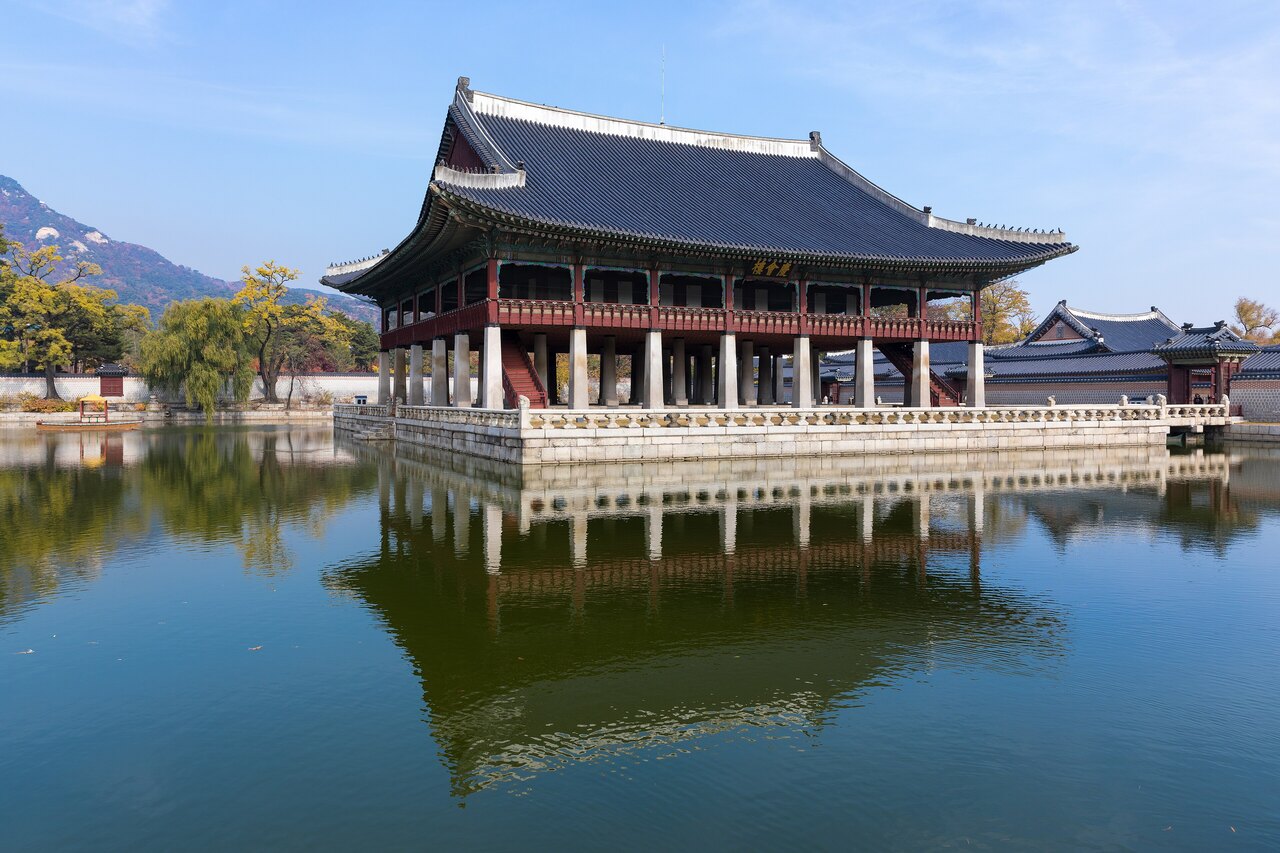
Bukchon Hanok Village
Wandering the narrow, hilly alleys feels like stepping back into the Joseon Dynasty. It is entirely pedestrian-friendly, making it easy to walk to Gyeongbokgung Palace and the trendy cafes of Samcheong-dong. Expect steep climbs, traditional tiled-roof houses, and a serene atmosphere that contrasts sharply with the frantic energy of Seoul’s commercial hubs. It is the best place to experience the city's heritage firsthand.
Myeong-dong
This is the city's primary retail theater. The streets are a dense grid of neon lights, skincare boutiques, and stalls selling spicy rice cakes. It is incredibly walkable, serving as a central hub for buses and subway lines. You are steps away from the Namsan Cable Car, which takes you up to the iconic N Seoul Tower for citywide panoramic views.
Hongdae
The area surrounding Hongik University is defined by buskers, mural-covered alleyways, and endless nightlife. It is walkable and perpetually busy, hosting hundreds of casual restaurants and karaoke bars that stay open until dawn. It feels youthful and unpretentious compared to the business districts. It is the definitive center for Seoul's modern pop culture and artsy energy, offering a localized, vibrant street experience.
Itaewon
Itaewon feels like a distinct enclave with a global perspective. The streets climb up from the main thoroughfare, revealing specialized dining rooms and vibrant bars. It is walkable if you don't mind steep inclines, and it offers easy access to the sprawling Yongsan Family Park. The area provides a unique contrast to the surrounding local districts, making it an excellent base for global travelers.
Gangnam
South of the river, the landscape is defined by wide avenues and massive skyscrapers. It is less about traditional sightseeing and more about luxury shopping at COEX Mall or finding high-end nightlife. While the area is vast and requires some walking, it is perfectly connected by the efficient Line 2 subway loop, making it a sophisticated, efficient base for a contemporary city break.
Rent a car in Seoul
Compare rental cars from local and international companies, with free cancellation on most bookings.
Compare car rentals in SeoulOne thing to think about
Avoid staying near the Seoul Station bus transfer center if you are a light sleeper. While convenient for trains, the constant hum of idling engines and heavy traffic noise makes it an exhausting place to stay for more than a single transit-focused night.
Once you have a bed
The things that sell out first in Seoul are the small-group tours and the skip-the-line tickets.
Top tours & activities in Seoul
Common questions
Do I really need to use the subway everywhere?
The subway is the fastest way to traverse the city, but Seoul is surprisingly walkable within individual districts. I recommend using the subway for long distances across the river, but relying on your feet once you arrive. Using the 'Naver Map' app is essential, as Google Maps does not provide accurate walking directions or transit routes in Korea.
Is it difficult to get around if I don't speak Korean?
Most subway stations have excellent English signage and automated announcements. In tourist-heavy districts like Myeong-dong or Itaewon, most shop clerks and restaurant staff speak sufficient English to assist you. However, downloading a reliable translation app for menus in smaller, non-touristy restaurants will significantly improve your ability to order food and navigate local interactions comfortably.
When is the best time of year to visit?
Spring, specifically late April, offers stunning cherry blossoms, while autumn in October provides crisp, clear air and vibrant foliage. I would advise avoiding the humid, rainy summer months of July and August. If you visit in winter, prepare for harsh, sub-zero temperatures, though you will benefit from fewer crowds at major palaces and shorter wait times at popular dining spots.
Hotel links go to Booking.com. If you book through them TonyPlan earns a small commission — the price you pay is exactly the same.