Home › Savannah › Where to stay
Where to stay in Savannah
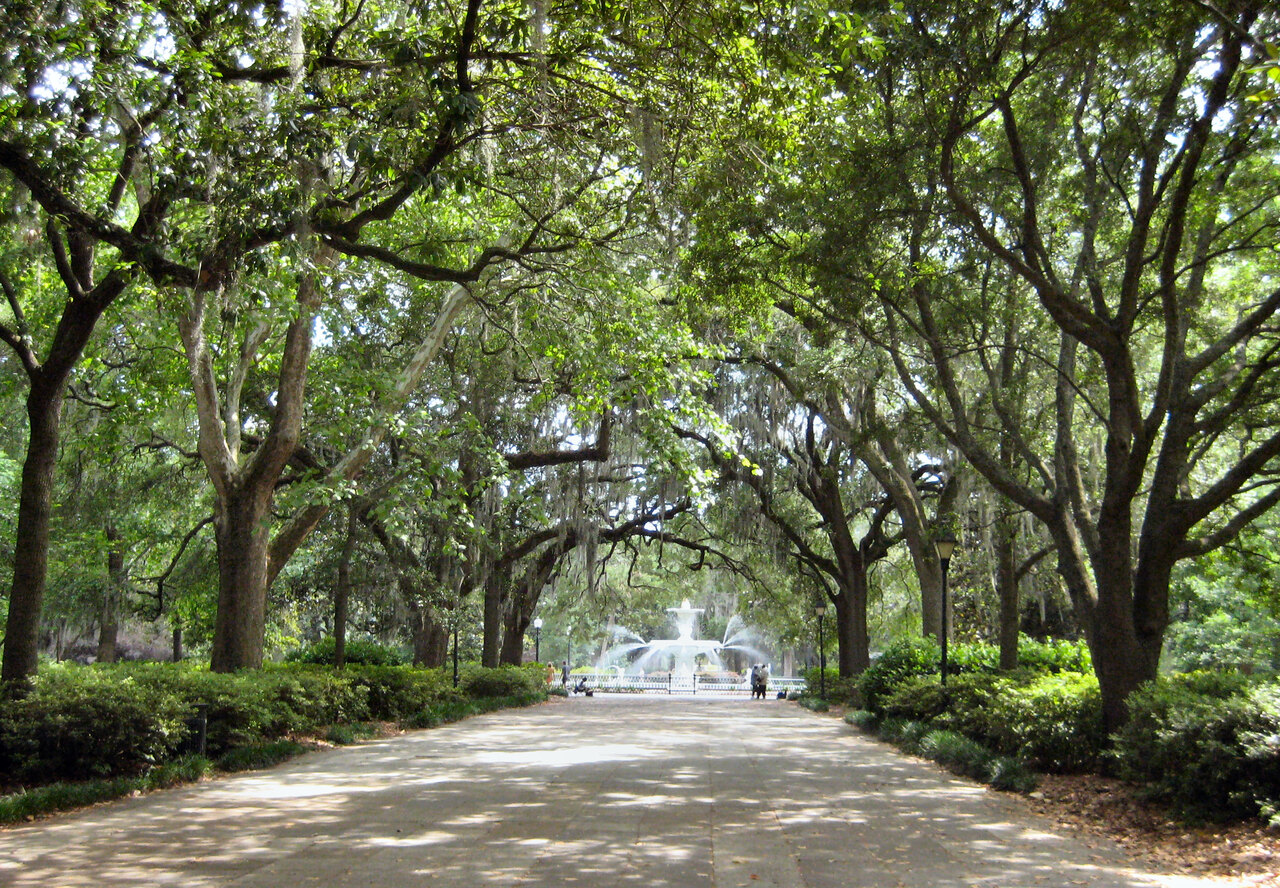
Savannah is defined by its historic grid, anchored by twenty-two manicured squares that serve as the city's lungs. Most accommodations cluster within the National Historic Landmark District, where the low-slung, moss-draped architecture dictates a slow, pedestrian-heavy pace. Staying north near the river offers immediate access to commerce, while moving south toward Forsyth Park trades immediate waterfront convenience for quieter, tree-lined residential tranquility. Choosing your base depends entirely on whether you prefer vibrant nightlife or residential charm.
Historic District North
This area puts you steps from River Street’s cobblestone chaos and the bustling culinary scene on Bay Street. You are walking distance from the City Market and Ellis Square. It feels dense and energetic, characterized by grand hotels and converted warehouses. The constant foot traffic means you are never far from a late-night drink or a quick breakfast, though noise levels can be high.
Victorian District
Located just south of Forsyth Park, this area features stunning pastel-hued row houses and quieter, shaded streets. It is primarily residential, offering a more authentic look at local life while still being a fifteen-minute stroll from the core historic sites. The massive Forsyth Park is your backyard, providing a daily green escape. It feels peaceful, intimate, and significantly less commercial than the northern blocks.
Starland District
This is Savannah's artsy southern outpost, situated about a mile south of the main tourist grid. The architecture shifts to smaller, eclectic bungalows and industrial spaces repurposed for shops. It is highly walkable if you enjoy street art and slow mornings, but requires a ride-share to reach the riverfront. The atmosphere is relaxed, unpretentious, and defines the city’s contemporary pulse beyond the typical museum circuit.
Rent a car in Savannah
Compare rental cars from local and international companies, with free cancellation on most bookings.
Compare car rentals in SavannahOne thing to think about
Avoid booking accommodation directly on River Street if you are a light sleeper; the constant movement of freight ships, street performers, and late-night revelers creates significant noise. Additionally, renting a car is unnecessary and often a burden due to extremely limited, expensive parking and narrow, one-way streets.
Once you have a bed
The things that sell out first in Savannah are the small-group tours and the skip-the-line tickets.
Top tours & activities in Savannah
Common questions
Is it really walkable or do I need a car?
The historic core is exceptionally walkable, with most squares and landmarks within a mile of one another. Unless you plan to visit the beaches at Tybee Island or the distant museums, a car is a liability here. Use ride-shares or the free DOT shuttle system to cover longer distances within the downtown grid.
What is the best time of year to visit?
Late autumn and early spring offer the most temperate climate for exploring the city by foot. Summers are notoriously humid and prone to sudden, heavy thunderstorms, which can dampen the appeal of walking between squares. Winter is mild, offering smaller crowds and lower accommodation rates, making it an ideal time for those who prefer cooler, quieter strolls.
Are the open-container laws as relaxed as they seem?
Savannah allows open containers of alcohol within the designated Historic District, provided they are in plastic cups of sixteen ounces or less. While this encourages a casual vibe, please note it is restricted to specific boundaries. Enjoying a drink while walking between squares is a hallmark of the city, but respect the rules to avoid unnecessary interactions.
Hotel links go to Booking.com. If you book through them TonyPlan earns a small commission — the price you pay is exactly the same.