Home › Sao Paulo › Where to stay
Where to stay in Sao Paulo
Sao Paulo is a sprawling, vertical megalopolis where urban scale defies easy navigation. Its sheer size means choosing a home base is less about seeing everything and more about minimizing time in soul-crushing traffic. The city is defined by distinct pockets of culture connected by a robust metro system and heavy congestion. Prioritize locations near metro lines or within your target district to avoid spending your entire visit trapped in a ride-share vehicle on the Marginal Pinheiros.
Jardins
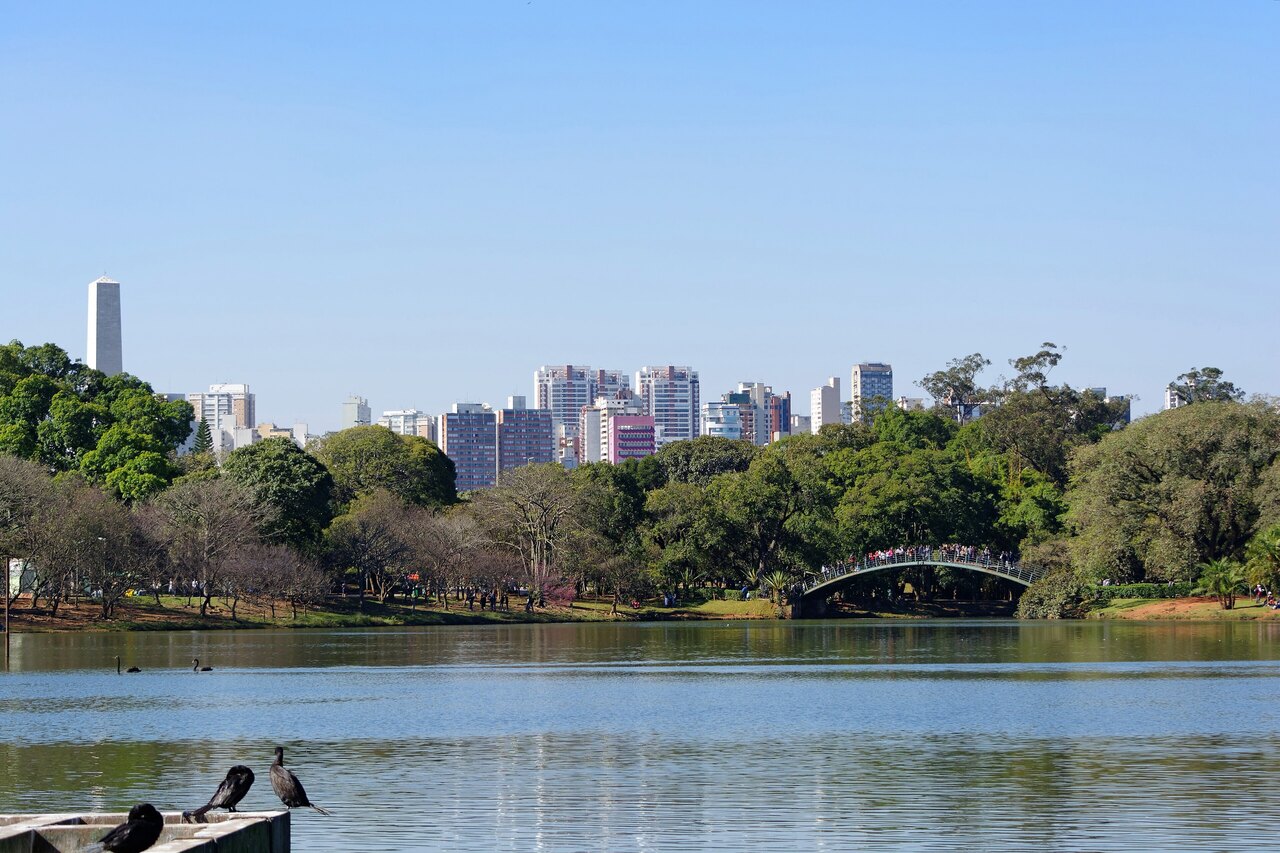
This is the city's most prestigious grid. You can walk to flagship boutiques and upscale cafes on Oscar Freire street. The atmosphere is leafy and orderly, feeling worlds away from the dense concrete jungle nearby. It offers easy pedestrian access to the leafy expanse of Ibirapuera Park and the high-end restaurants dotting Alameda Lorena. It feels polished, safe, and perpetually busy with the city's affluent demographic.
Pinheiros
Pinheiros is currently the epicenter of Sao Paulo’s dining innovation. Walking down Rua dos Pinheiros reveals an endless sequence of experimental bars and bistros. The area is highly walkable, blending traditional family shops with modern coworking spaces. You are steps away from the Batata Square and a quick transit hop to the bohemian streets of Vila Madalena. It is gritty, authentic, and rarely sleeps.
Vila Madalena
Famous for the Beco do Batman, this district is a colorful maze of murals, galleries, and craft shops. It is intensely walkable, though hilly, filled with sidewalk bars where crowds spill out late into the night. It lacks large luxury hotels, favoring boutique guesthouses and apartment rentals. You are within walking distance of local artisan markets and some of the city's best independent music venues.
Itaim Bibi
This area features high-density corporate towers balanced by a massive concentration of upscale nightlife. You can walk to the shopping malls like JK Iguatemi or the dense clusters of eateries on Rua Bandeira Paulista. It feels efficient and modern. While it lacks the historical charm of other districts, its convenience for professional meetings and evening dining makes it a practical, high-energy choice for shorter visits.
Centro (Republica)
Centered around the Praça da República and the iconic Edifício Copan, this area offers immediate access to the Metropolitan Cathedral and the Theatro Municipal. Walking here is intense and raw, showing the city's historical decline and slow revitalization. You are at the heart of the metro network, making it the most practical spot for exploring the far reaches of the city without relying on expensive private transport.
Rent a car in Sao Paulo
Compare rental cars from local and international companies, with free cancellation on most bookings.
Compare car rentals in Sao PauloOne thing to think about
Avoid booking accommodation solely based on proximity to the Tiete or Barra Funda bus terminals. While vital for intercity travel, these areas lack a walkable atmosphere for tourists and are disconnected from the primary dining and nightlife districts, forcing you to endure long, exhausting commutes daily.
Once you have a bed
The things that sell out first in Sao Paulo are the small-group tours and the skip-the-line tickets.
Top tours & activities in Sao Paulo
Common questions
Is it worth renting a car to explore the city?
Absolutely not. Sao Paulo’s traffic is legendary and often gridlocked, and parking is notoriously difficult and expensive. The city is best navigated using a combination of the efficient Metro system for long distances and ride-sharing apps like Uber or 99 for specific neighborhood hops. Walking is ideal within districts, but transit is essential for inter-district movement.
What is the best way to handle personal safety in public?
Adopt a low-profile approach: avoid using your phone openly on the street, keep bags securely closed and in front of you in crowded areas, and rely on ride-share services after dark. Stick to well-lit main streets where other people are present, and trust your instincts—if a street looks deserted, change your route immediately.
Do I need to speak Portuguese to enjoy my visit?
While you can manage in high-end hotels and restaurants with English, the vast majority of the city operates entirely in Portuguese. Learning basic phrases for ordering food or asking for directions will significantly improve your experience. Carry a translation app, as it is an essential tool for navigating menus and signs in the more local, non-touristy parts of the city.
Hotel links go to Booking.com. If you book through them TonyPlan earns a small commission — the price you pay is exactly the same.