Where to stay in Riga
Riga is built around the Daugava River, with the Old Town serving as the medieval core. Most visitors base themselves within the Centrs district, which houses the Art Nouveau quarter and the bustling shopping boulevards. Navigating is simple as the city center is compact, but transit improves as you head toward the wooden architecture of Pārdaugava. Choose your base based on whether you prefer historic cobblestones or wider, grander boulevards.
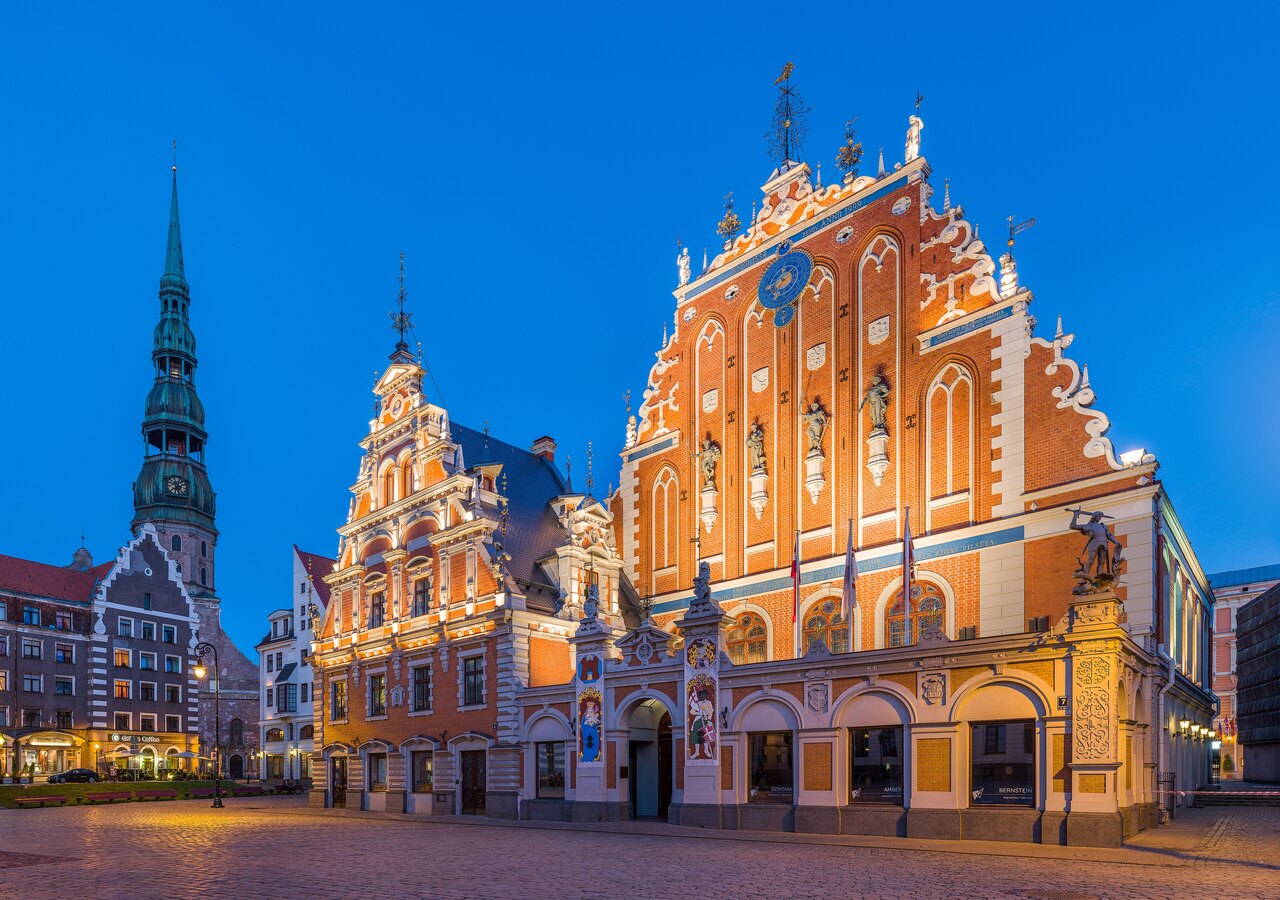
Vecrīga
This is the medieval heart of the city, defined by narrow, winding cobblestone streets and centuries-old churches. You are steps away from the Dome Cathedral and St. Peter’s Church. It feels like an open-air museum, though it remains lively late into the night. Everything here is walkable, though the uneven streets can be challenging for those with heavy luggage.
Centrs
Centrs is the refined face of Riga. The area, particularly around Alberta iela, boasts the world’s highest concentration of Art Nouveau buildings. You are within a short walk of the Freedom Monument and the Esplanade park. It feels polished, residential yet central, and offers better value for space than the cramped Old Town hotels nearby.
Miera iela
This is the city's self-proclaimed republic of bohemians. It feels like a neighborhood of independent coffee roasters, vinyl shops, and micro-breweries. It is a longer walk to the historic center—about 20-25 minutes—but it puts you in the middle of authentic daily life. The district centers around Miera iela, a street that defines the city's modern, artistic pulse.
Āgenskalns
Located in Pārdaugava, this area offers a refreshing change from the stone city. You are surrounded by beautiful, aging wooden villas and the famous Āgenskalns Market, a hub for local food. It is quieter and feels more suburban, requiring a quick tram ride or a longer walk over the bridge to reach the city center.
Rent a car in Riga
Compare rental cars from local and international companies, with free cancellation on most bookings.
Compare car rentals in RigaOne thing to think about
Avoid booking accommodation directly on the main squares of the Old Town. These areas suffer from extreme noise pollution due to late-night bars and aggressive promoters. Additionally, avoid staying in the neighborhoods immediately surrounding the Central Station; they are transit-heavy and lack the character found in the more historic districts.
Other places to stay in Latvia: lastminute.com · Megabon
Once you have a bed
The things that sell out first in Riga are the small-group tours and the skip-the-line tickets.
Top tours & activities in Riga
Common questions
Is it easy to navigate Riga without knowing Latvian or Russian?
Yes, Riga is very accessible. Almost all staff in hospitality, retail, and transit speak excellent English. Signage in the center is bilingual or trilingual, and digital maps work perfectly for finding your way around the grid-like streets of the central district or identifying tram stops.
Do I need to worry about the cold if I visit outside of summer?
Riga winters are significant. If you visit between November and March, pack thermal layers and waterproof footwear. The city remains fully functional, but wind chill from the river can be biting. Most museums and indoor attractions are heated, but walking between sites requires serious preparation to stay comfortable.
Is it worth buying a public transport pass for a short trip?
If you stay within the Centrs or Vecrīga, you will rarely need public transport. However, if you choose Āgenskalns, a multi-ride ticket is essential. You can buy these at kiosks or via the Rigas Satiksme app. Avoid buying single tickets from tram drivers, as they are significantly more expensive than pre-paid options.
Hotel links go to Booking.com. If you book through them TonyPlan earns a small commission — the price you pay is exactly the same.