Home › Rhine Valley › Where to stay
Where to stay in Rhine Valley
The Rhine Valley is a dramatic river corridor sliced by steep vineyards and medieval castles. It stretches across distinct regions, meaning your base dictates your pace. Towns cling tightly to the water's edge beneath towering cliffs, connected primarily by regional trains and ferries. Choosing where to stay depends entirely on whether you want a quiet wine village or a central transport hub for castle-hopping.
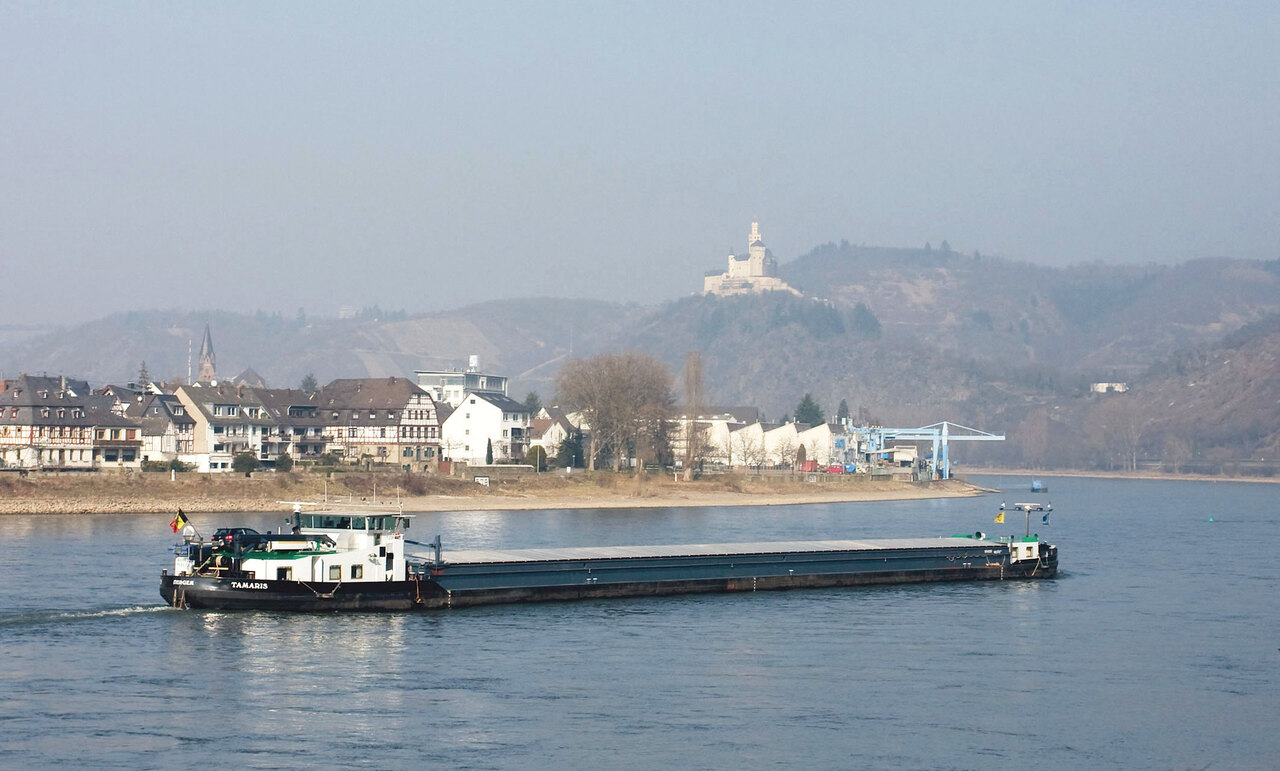
Bacharach
Bacharach feels intensely atmospheric, tucked directly against steep slate slopes. Wandering the cobblestone alleys of Oberstrasse reveals leaning historic houses and quiet wine taverns. From here, you can easily walk to the ruins of Wernerkapelle, the robust Postenturm fortification, or straight up into the surrounding Riesling vineyards via the Rhein-Burgen-Weg trail.
Boppard
Boppard offers a bustling riverfront promenade lined with outdoor cafes, backed by a surprisingly expansive historic center. It feels less sleepy than smaller villages, centered around the striking Electoral Castle and the Roman fort walls. You can walk straight from your hotel to the chairlift taking you up to the Vierseenblick viewpoint or hop on a KD cruise ship.
St. Goar
St. Goar is a narrow, cliff-hugged strip of town dominated by the massive ruins of Burg Rheinfels looming directly above. It has a slightly weathered, dramatic energy. You can walk from the ferry landing up the steep trails to the fortress or take a flat stroll along the river to see the legendary Lorelei rock looming across the water.
Rüdesheim am Rhein
Rüdesheim is the valley's high-octane capital, famous for the sloping vineyards of Drosselgasse, which is packed tightly with music-filled wine houses. It feels commercial and constantly busy. Walking here means navigating vibrant crowds to reach the Niederwald Monument via cable car, exploring historic wine cellars, or catching the passenger ferry across to Bingen.
One thing to think about
Avoid booking accommodation directly adjacent to the main railway tracks running on both sides of the Rhine. Freight trains run 24 hours a day at high speeds, and properties without heavy soundproofing suffer from severe, sleep-disrupting noise pollution.
Other places to stay in Germany: lastminute.com · Megabon
Once you have a bed
The things that sell out first in Rhine Valley are the small-group tours and the skip-the-line tickets.
Common questions
Do I need a car to explore the Rhine Valley?
No, a car is actually a hindrance due to narrow roads and limited parking. The valley has exceptional train connectivity along both banks, regular passenger ferries crossing the river, and extensive hiking trails. Public transit allows you to easily hop between castles and vineyards without worrying about designated drivers.
Which side of the Rhine is better to stay on, the left or the right?
The left bank generally offers more picturesque, historic towns like Bacharach and St. Goar, plus better rail infrastructure. The right bank is quieter, featuring rugged hiking trails and towns like Assmannshausen, but requires more reliance on slower regional trains and ferries to cross over.
When is the best time of year to visit the Rhine Valley?
Late spring through autumn is ideal, with September and October being the absolute peak for wine harvest festivals and vibrant fall foliage on the steep slate slopes. Winter sees many river cruises and castle operations shut down, leaving towns very quiet and services limited.
Hotel links go to Booking.com.