Home › Reunion › Where to stay
Where to stay in Reunion
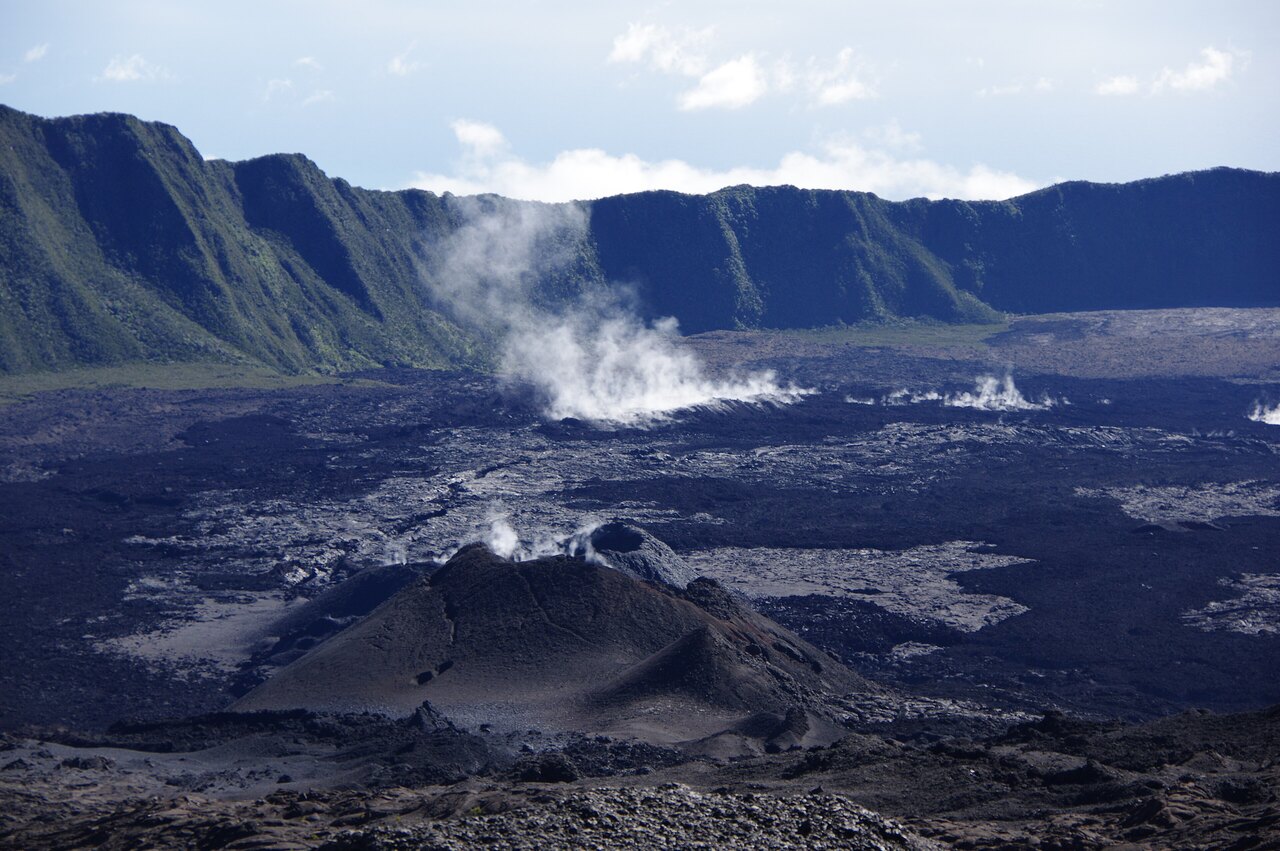
Réunion is a volcanic island where the coast hugs steep cliffs and the interior rises into green cirques, so accommodation choices hinge on whether you want beach sunsets, rainforest hikes, or city buzz. Staying in the north keeps you close to the capital’s museums and markets, the east offers surf and volcanic trails, while the central highlands grant easy access to dramatic waterfalls and trekking routes.
Saint‑Denis
The capital buzzes with colonial architecture; stroll along Rue de Paris for cafés, visit the Jardin de l’État and the waterfront market, all within a compact pedestrian zone.
Saint‑Pierre
A lively promenade lines the beach, with easy access to Grande Anse surf spot and Avenue Léonardo’s restaurants, offering a relaxed coastal vibe within walking distance.
Cilaos
Nestled in a volcanic caldera, the town’s narrow streets lead to thermal baths and the Church of Saint‑Anne, while trailheads for the Mafate cirque start just outside town.
Hell‑Bourg
Preserved Creole houses line Rue du 1er Mai, and the nearby Trou de Fer waterfall hike provides stunning scenery, all set in a serene mountain atmosphere.
One thing to think about
If you base yourself in Saint‑Paul’s coastal promenade, expect heavy traffic on RN2 during rush hour, and the beachfront restaurants can get noisy after sunset, making early mornings less peaceful.
Other places to stay in France: Center Parcs
Once you have a bed
The things that sell out first in Reunion are the small-group tours and the skip-the-line tickets.
Common questions
When is the best time to visit Réunion for hiking?
The dry season from May to November offers the most reliable trails; lower humidity means clearer views on the cirques, and temperatures in the highlands stay comfortable for long hikes. Early winter (June‑July) can be chilly at altitude, so pack layers.
How do I get around the island without a car?
The island’s public network consists of Réunion Express (Rex) buses that connect major towns and many rural stops; tickets are cheap and can be bought on board. For remote villages, shared taxis (car‑jacks) run a few times daily, but schedules are flexible.
What should I pack for the varied climate zones?
Bring breathable shirts for the coastal heat, a waterproof jacket for sudden rain in the east, and sturdy hiking boots for rugged paths. A lightweight down layer is essential for evenings above 1,500 m, and sunscreen plus a hat are non‑negotiable.
Hotel links go to Booking.com.