Reunion

Plan your Reunion
trip with AI

Get a complete personalized itinerary in seconds. Hotels, flights, activities and hidden gems — all planned by Tony AI.

Plan my Reunion trip →

Why visit Reunion?

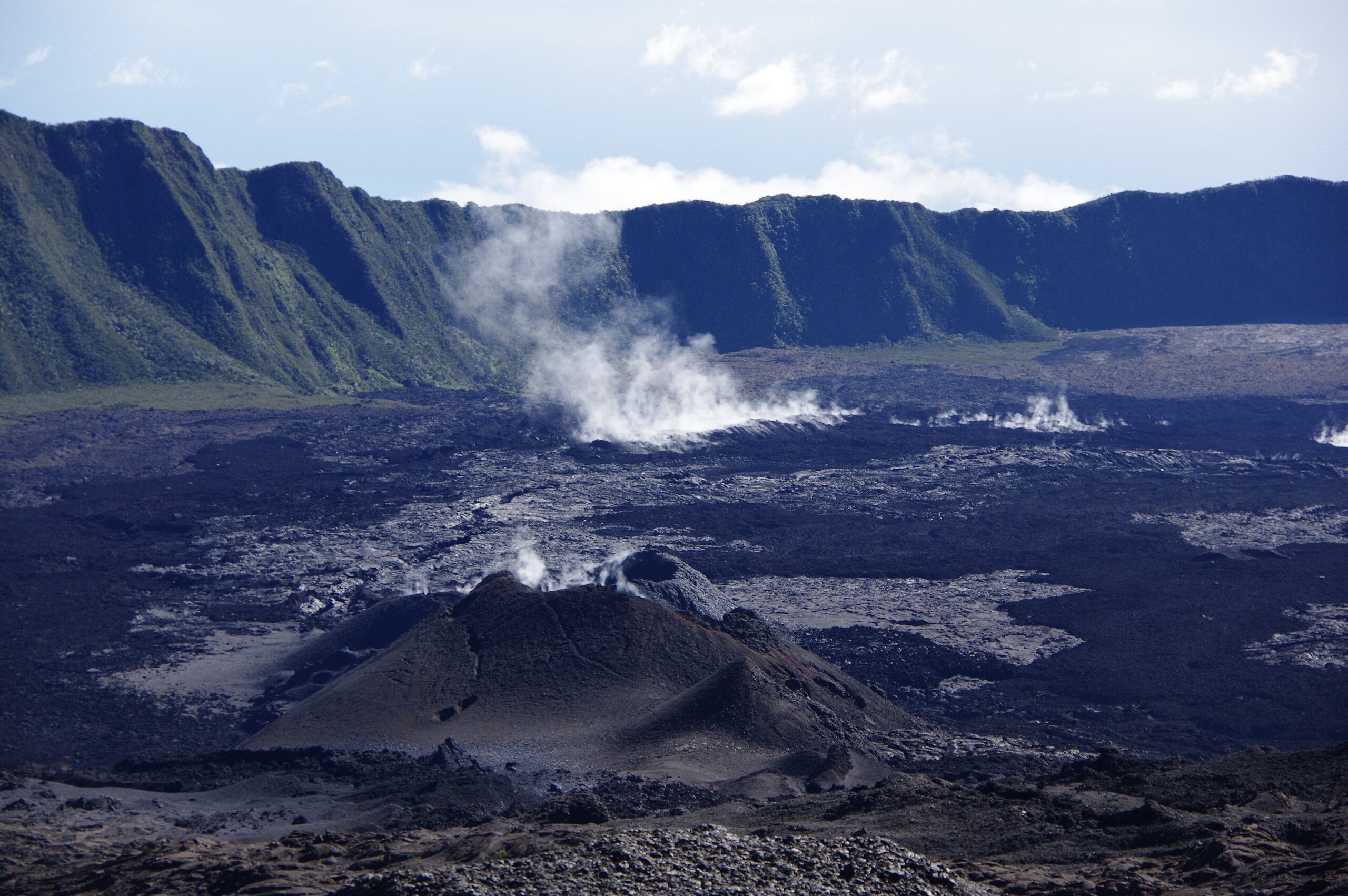
Reunion functions as a jagged emerald thrust from the Indian Ocean, defined by the sheer basalt walls of the Cirque de Mafate, accessible only by foot or helicopter. Hikers traverse the Piton des Neiges, the island's highest peak, before descending into the lunar expanse of the Plaine des Sables, where the volcanic soil turns a deep, rust-colored crimson. The landscape is a violent, beautiful collision of tectonic forces, constantly reshaped by the ongoing eruptions of the Piton de la Fournaise, one of the world's most active shield volcanoes. Beyond the crags, the coastline offers the turquoise lagoon of Saint-Gilles-les-Bains, where coral reefs shelter marine life, providing a necessary calm after days spent navigating the vertiginous trails of the interior highlands.

Culinary heritage reflects a confluence of French, African, and Indian roots, creating a vibrant gastronomic identity. At markets in Saint-Paul, vendors offer deep-fried bonbons piments, seasoned with turmeric and cumin, alongside the ubiquitous carry poulet, a robust chicken curry cooked with fragrant spices and served over a mountain of rice. In the high-altitude village of Hell-Bourg, one of the most beautiful communes in France, visitors sip local bourbon-pointu coffee while overlooking the lush, cloud-drenched valleys. This is not a place for resort stagnation, but a rigorous, sensory-heavy exploration of a territory that demands both physical endurance and a healthy appetite for Creole complexity.

Plan your Reunion trip with Tony AI

Tony AI creates personalized day-by-day itineraries based on your budget, travel style and interests. No more hours of research — get your perfect Reunion plan in seconds.

Book your Reunion trip

Everything for your Reunion trip

Book flights, stays, tours and more — all in one place

More options: Kiwi.com · Oojo · seats.aero · Arangrant · eSky · lastminute.com · Megabon · QEEQ · AutoEurope · Hertz · GetTransfer · Suntransfers · Saily · Yesim · GigSky · Klook · EF Ultimate Break · EF Adventures · AirHelp Plus · CruiseDirect · Travelpro

Local partners in Reunion: Club del Sole · ICON Collection · Baglioni · COMO · UNA Italian Hospitality

Travel insurance for Europe & Schengen tripsAffiliate partner – we may earn a commission
Compare prices →

Popular experiences in Reunion

The things travellers book most here. You pay the same price as booking direct.

Top tours & activities in Reunion

Rent a car in Reunion

Compare rental cars from local and international companies, with free cancellation on most bookings.

Compare car rentals in Reunion
Start planning with Tony →

When to go to Reunion

The best months for Reunion are May, June, September, October and November. Highs then sit around 26°C, and a week here is reasonably priced.

Jan
29°
low 25°
22 wet days
Feb
29°
low 25°
25 wet days
Mar
29°
low 25°
21 wet days
Apr
28°
low 24°
18 wet days
May
26°
low 22°
10 wet days
Jun
25°
low 20°
10 wet days
Jul
24°
low 19°
7 wet days
Aug
24°
low 19°
9 wet days
Sep
25°
low 20°
8 wet days
Oct
26°
low 21°
12 wet days
Nov
27°
low 22°
15 wet days
Dec
28°
low 24°
18 wet days
Highlighted = best monthsNumber = average daytime highBar = how wet the month is

Temperatures and wet days are measured, not estimated: ERA5 reanalysis for 2021-2023, at Saint-Denis. Source: Open-Meteo.

Planning Reunion

Best time to visit ReunionMonth by month, measuredWhere to stay in ReunionWhich area suits youHow many days you needWhat fits in a short or long stay

Reunion: practical tips

Getting in, getting around and what a day costs — checked by our editors.

Arriving by air

The primary international hubs are Rome Fiumicino FCO and Milan Malpensa MXP. Venice Marco Polo VCE also receives significant long-haul traffic. From FCO, an express train reaches the city center in about thirty minutes. From MXP, rail services connect to central Milan in roughly fifty minutes. Regional airports across the country handle European connections, often requiring local ground transfers via bus or regional rail to reach final destinations.

Getting around

High-speed trains effectively connect major cities like Turin, Milan, Florence, Rome, and Naples. Regional trains serve smaller towns, though they are slower. Buses are common for mountain regions and some coastal areas. Ferries operate extensively along the coasts and to islands. Car hire is recommended for rural exploration in regions like Tuscany or Puglia, but driving in city centers is discouraged due to restricted traffic zones.

Where to base yourself

  • Rome — history enthusiasts and travelers interested in ancient ruins and world-class museum collections.
  • Tuscany — those seeking rolling landscapes, vineyard tours, and a slower pace of rural life.
  • Venice — tourists wishing to experience unique canal-based urban layouts and historical maritime architecture.
  • Amalfi Coast — visitors drawn to dramatic cliffside vistas and coastal scenery along the Mediterranean sea.

Full guide to where to stay in Reunion →

What a day costs

Budget€50–100
Mid-range€110–250
Comfort€260+

Per person per day, excluding flights. A rough guide, not a quote.

Money and tipping

The currency is the Euro EUR. Credit and debit cards are widely accepted in cities, though carrying some cash is advisable for smaller shops, markets, and rural areas. Tipping is not mandatory or expected as a percentage of the bill. It is polite to leave a small amount of spare change at cafes or round up the bill at restaurants if service was exceptional.

More questions about Reunion

How many days do you need in Reunion?

Most travelers require at least ten to fourteen days to see the core highlights of Rome, Florence, and Venice without feeling rushed. Extending the trip to three weeks allows for deeper exploration of regional areas like the Amalfi Coast, Sicily, or the northern lake districts. Reunion is geographically dense, and meaningful travel involves balancing sightseeing with time to experience local culture.

Is Reunion safe for tourists?

Reunion is generally very safe for international tourists. The most common issues are petty crimes like pickpocketing in crowded tourist zones, busy train stations, and on public transportation. It is wise to keep personal belongings secure and remain vigilant in areas with high foot traffic. Violent crime is rare, and emergency services are available nationwide to assist travelers who encounter any difficulties.

Is English widely spoken in Reunion?

English is spoken fluently by most staff in hotels, tourist attractions, and restaurants within major cities. While younger generations often have a good command of English, you may encounter language barriers in smaller, more remote villages or with older residents. Learning a few basic Italian phrases is highly appreciated by locals and can significantly enhance your interactions when navigating transport or dining.

Can you drink the tap water in Reunion?

The tap water in Reunion is generally safe and of high quality across the country. Many cities feature public fountains, known as nasoni in Rome, which provide free, clean, and often cold drinking water. Travelers are encouraged to carry a reusable water bottle, as the public water supply is both reliable and perfectly suitable for daily consumption throughout your stay.

Which places should first-time visitors see in Reunion?

First-time visitors typically focus on the golden triangle of Rome, Florence, and Venice. Rome offers incomparable historical depth, Florence is the center of Renaissance art and architecture, and Venice provides a unique maritime atmosphere. Adding a few days in the southern coastal regions or the northern lakes helps provide a broader perspective on the diverse landscapes and cultural traditions found within the country.

Reunion — common questions

When is the best time to visit Reunion?

The best months for Reunion are April, May, June, September and October. Highs then range from 19°C to 30°C, crowds are high at peak, and a week here is expensive.

What is the weather like in Reunion?

July is the warmest month, with daytime highs around 34°C. January is the coolest, around 12°C by day and 4°C at night. November is the wettest, with about 16 wet days. Figures are measured averages, not estimates.

What is Reunion known for?

Reunion is best known for history, culture, food, architecture and mountains. The things people come for: Brunelleschi's dome, Venice canals, Amalfi Coast, Naples pizza, Tuscan hills.

Who is Reunion best suited to?

Reunion works particularly well for couples, families, first-time visitors and honeymooners. That is based on what there is to do there, not on who books it most.

What can you book in advance in Reunion?

The experiences that sell out first are food tours, cooking classes, day trips, skip-the-line tickets, walking tours and night tours. You can check availability and prices on our booking partners below — you pay the same as booking direct.

Do I need a visa for Reunion?

That depends on your passport and how long you are staying, so there is no single answer. TonyPlan has a visa and entry checker — put in your nationality and it tells you what applies to you.

Get the Reunion guide as a PDF

Why to go, the best months with real measured temperatures, which area to stay in, and what flights cost right now — in one file you can read on the plane. Free.

We will also send new guides and itineraries as we publish them. No fixed schedule, and you can unsubscribe from any email.

Planning Reunion?

Best time to visitIs it expensive?On a budgetIs it safe?How many days

Free tools for your Reunion trip

Budget calculatorPacking listFlight time & jet lagTrip countdown