Home › Puerto Rico › Where to stay
Where to stay in Puerto Rico
Puerto Rico is defined by its dramatic contrast between the colonial density of San Juan, the rugged peaks of the central mountains, and the expansive surf-ready coasts. Choosing where to stay depends entirely on whether you want urban history, nightlife accessibility, or remote natural immersion. Renting a car is essential for exploring beyond the capital, as public transit is limited to the San Juan metropolitan area.
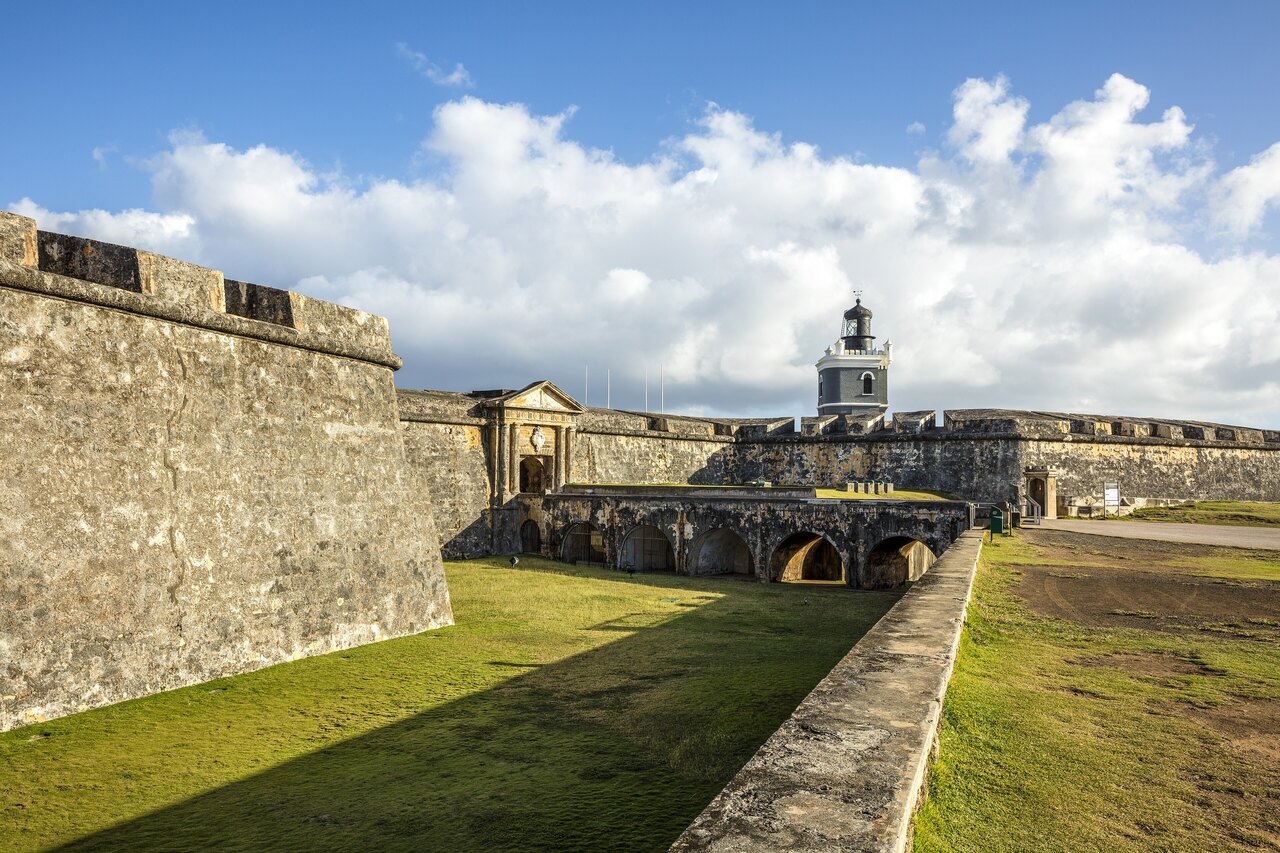
Old San Juan
This 500-year-old walled district is entirely walkable, filled with blue cobblestone streets, fortresses like Castillo San Felipe del Morro, and the vibrant Calle San Sebastián. It feels like a living museum, characterized by pastel-colored townhouses and bustling plazas. You can easily reach the waterfront promenades or the historic city gates within minutes of leaving your hotel room.
Condado
Condado is a high-density strip defined by its wide, sandy beachfront and Ashford Avenue, which serves as the primary artery for restaurants and boutique stores. It feels modern and energetic, offering easy access to the ocean from almost any hotel. You are within walking distance of the calm waters of the Condado Lagoon, perfect for paddleboarding and morning jogs.
Rincón
Rincón is centered around surf breaks like Domes Beach and the scenic Punta Higuero Lighthouse. The atmosphere is unpretentious and focused on outdoor lifestyle, with surf shops and casual beach bars lining the coast. While you will need a car to navigate between the various beach pockets, the town center is small enough to walk between local markets and coffee shops.
Vieques
The island has a remote, tranquil feel where wild horses roam the streets and dirt roads lead to pristine stretches like Sun Bay. Staying near Esperanza allows you to walk to the malecón for beachfront dinners and boat tours of the Bio Bay. It is a slow, disconnected environment that demands a rental jeep to explore the vast wildlife refuge properly.
Rent a car in Puerto Rico
Compare rental cars from local and international companies, with free cancellation on most bookings.
Compare car rentals in Puerto RicoOne thing to think about
Avoid booking accommodation in the middle of the Isla Verde tourist strip if you are sensitive to heavy aircraft noise, as it sits directly under the flight path for the international airport. It is also wise to avoid relying on ride-sharing apps if you plan to explore the central mountain ranges, as service is unreliable outside the main coastal towns.
Once you have a bed
The things that sell out first in Puerto Rico are the small-group tours and the skip-the-line tickets.
Top tours & activities in Puerto Rico
Common questions
Do I need a rental car to see the island?
Yes, a rental car is essential if you plan to visit the mountains, remote beaches, or regional towns. While Old San Juan and parts of Condado are pedestrian-friendly, the rest of the island lacks robust public transportation. Relying on taxis or private transfers will become prohibitively expensive and logistically difficult for any serious exploring.
When is the best time to visit Puerto Rico?
The shoulder months of April, May, and June offer the best balance of manageable crowds and dry weather. The winter months are popular but pricey, while late summer and early autumn align with the peak of hurricane season. Visiting in late spring allows you to enjoy warm beach days without the intensity of peak tourist crowds or flight disruptions.
What is the currency and tipping etiquette?
Puerto Rico uses the U.S. dollar, and credit cards are widely accepted in urban areas. Tipping culture matches the U.S. mainland, with 18 to 20 percent being the standard for sit-down restaurant service. Keep some cash on hand for small-town roadside kiosks and parking attendants, as these local spots often prefer or require physical currency for smaller transactions.
Hotel links go to Booking.com. If you book through them TonyPlan earns a small commission — the price you pay is exactly the same.