Home › Portugal › Where to stay
Where to stay in Portugal
Portugal stretches along the Atlantic coast, defined by hilly, tiled-roof cities and expansive rural provinces. Geography dictates your pace; stay in the dense, historic cores of Lisbon or Porto if you value walkability and public transit, or look to the Algarve or Alentejo if you prioritize coastline access or quiet countryside, which necessitates a rental car to reach anything beyond a central plaza.
Baixa, Lisbon
This is the grid-planned heart of Lisbon, reconstructed after the 1755 earthquake. It feels busy, formal, and grand. You are steps away from Praça do Comércio and the Santa Justa Lift. Everything is flat here, making it highly walkable, though you face steep hills the moment you step into the adjacent Alfama or Bairro Alto districts.
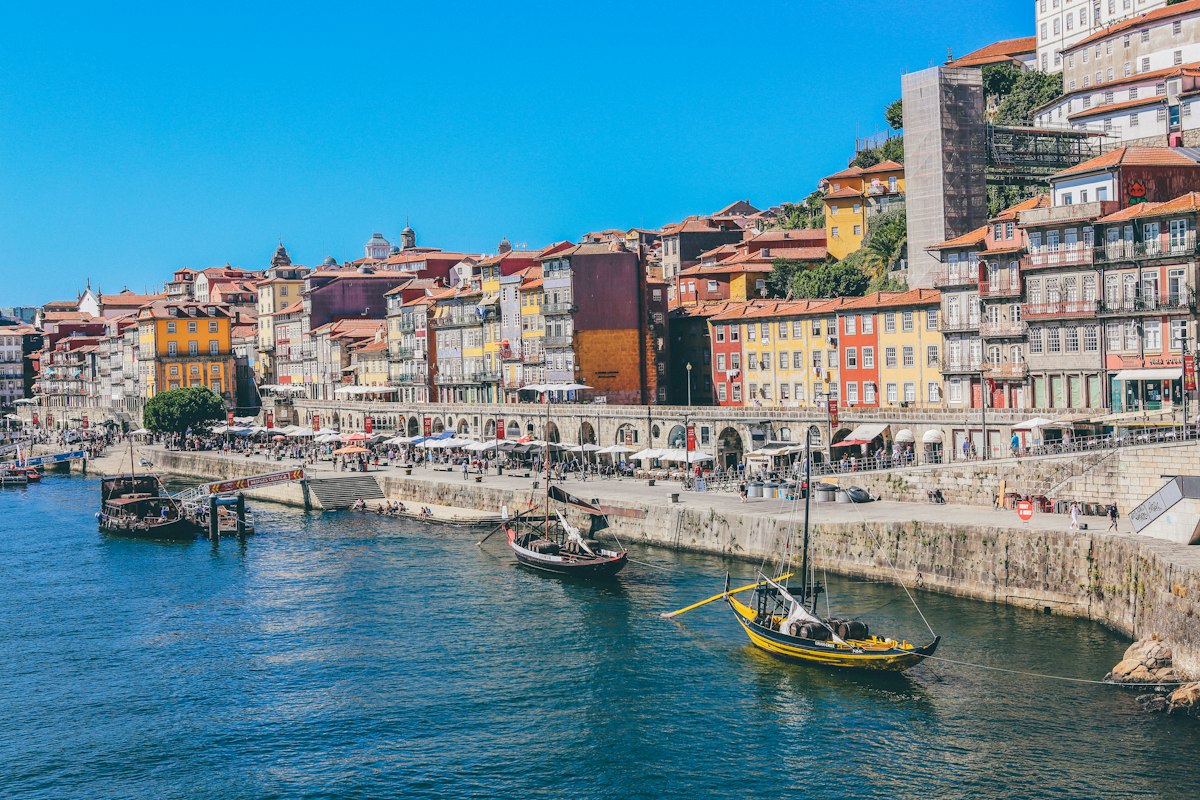
Ribeira, Porto
The streets are narrow, steep, and lined with colorful, laundry-draped houses. It sits directly on the Douro River, offering unparalleled views of the Dom Luís I Bridge. It is entirely walkable, provided you have sturdy shoes for the cobblestones. You are minutes away from the Palácio da Bolsa and constant riverfront activity at all hours.
Lagos, Algarve
Lagos offers a compact, walled old town that remains lively throughout the year. It feels more authentic than the resort-heavy central Algarve. You can walk to Praia da Batata or take short boat trips to the iconic Ponta da Piedade sea caves. The streets are pedestrian-friendly, filled with local restaurants and bars concentrated near the marina.
Rent a car in Portugal
Compare rental cars from local and international companies, with free cancellation on most bookings.
Compare car rentals in PortugalOne thing to think about
Avoid staying directly on Rua Augusta in Lisbon or near the main strip in Albufeira. These areas suffer from extreme tourist saturation, inflated pricing for mediocre food, and significant noise pollution from late-night crowds and street performers, offering little authentic local character despite the convenience.
Other places to stay in Portugal: lastminute.com · SANA Hotels · Megabon
Once you have a bed
The things that sell out first in Portugal are the small-group tours and the skip-the-line tickets.
Top tours & activities in Portugal
Common questions
Do I need to rent a car to travel around Portugal?
If you stick to Lisbon, Porto, and the direct train line between them, you do not need a car. However, if you plan to visit the Alentejo vineyards, the central Algarve coast, or smaller mountain villages in the north, a car is essential, as public transportation schedules are infrequent and often non-existent in rural regions.
What should I know about the hilly terrain in Portuguese cities?
Cities like Lisbon and Porto are infamously vertical. Even if your hotel is only a few blocks from a landmark, the incline can be grueling, especially in summer heat. Always check if your accommodation is at the bottom or top of a hill, and look for proximity to funiculars or elevators to save your legs.
Is English widely spoken in tourist areas?
In Lisbon, Porto, and the Algarve, English is spoken fluently by almost everyone in the service, hospitality, and retail industries. While learning basic Portuguese phrases like 'obrigado' is appreciated by locals, you will rarely encounter a language barrier when navigating transport, restaurants, or booking tours in major hubs.
Hotel links go to Booking.com. If you book through them TonyPlan earns a small commission — the price you pay is exactly the same.