Home › Phnom Penh › Where to stay
Where to stay in Phnom Penh
Phnom Penh is structured around the confluence of the Tonle Sap and Mekong rivers, with the city grid expanding westward from the riverside. Choosing a location is a trade-off between proximity to the colonial-era waterfront tourist hubs and the quieter, more residential pockets further inland. Traffic is dense and chaotic, so staying within walking distance of your primary interests is essential to avoid spending your entire trip trapped in a tuk-tuk.
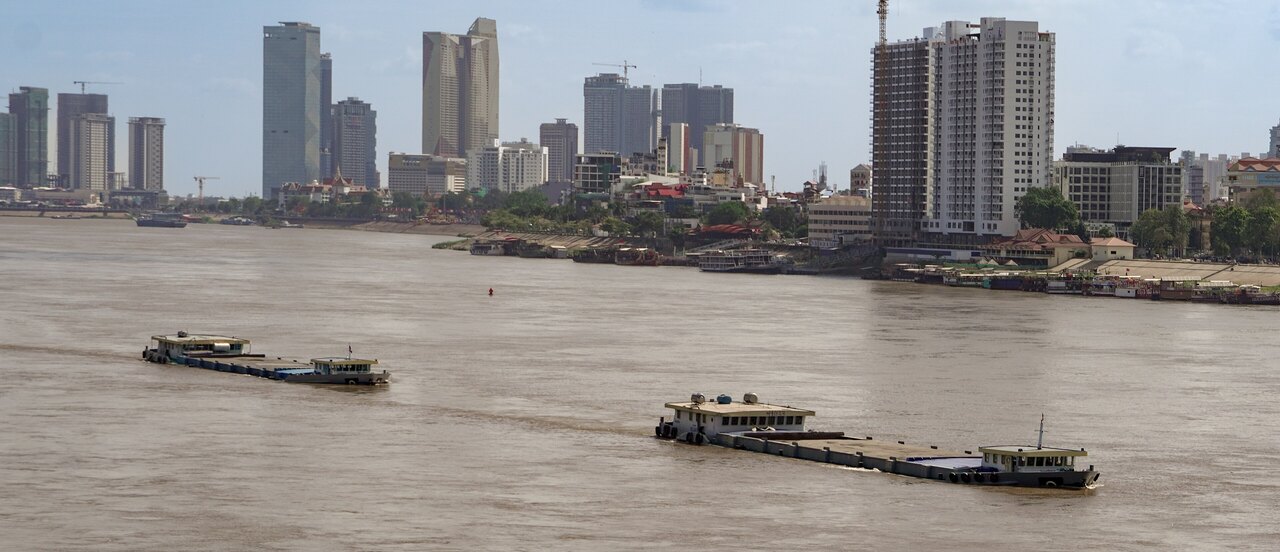
Daun Penh
This area captures the colonial history of the city, characterized by wide boulevards and yellow-painted French architecture. It is highly walkable, placing you steps away from the Royal Palace, the National Museum, and the vibrant Sisowath Quay. Expect heavy foot traffic and constant interaction with vendors, but you are never more than a short stroll from the primary museums and riverfront dining.
Boeung Keng Kang 1 (BKK1)
BKK1 is the city’s most upscale district, featuring paved streets lined with villas converted into trendy bistros and boutique hotels. It feels more manicured than the riverside, offering a consistent supply of western-style amenities. Everything here is walkable if you enjoy café-hopping, and you are centrally located for reaching both the Russian Market and the Independence Monument within minutes by transport.
Tuol Tom Poung (Russian Market)
This neighborhood is defined by the bustling Russian Market, the heart of the local craft and textile trade. The streets are grid-like and manageable on foot, packed with low-key breakfast spots and artisan workshops. It offers a more grounded experience compared to the riverfront, with a high concentration of budget-friendly apartments and independent coffee roasters serving the growing creative community.
Bassac Lane
Tucked away from the main thoroughfares, this small enclave is the epicenter of the city's modern bar culture. The area is exceptionally walkable, consisting of narrow, interconnected alleys that feel intimate and vibrant at night. It is perfect if you want to be near the Independence Monument while having immediate access to sophisticated nightlife and upscale boutique shopping without needing to hail transport.
Chroy Changvar
Located on the peninsula across the Japanese Friendship Bridge, this area offers a refreshing break from the urban density of the city center. While less walkable to major museums, it features spacious riverside hotels and quiet cycling paths. It is ideal for those who prefer a retreat-like atmosphere and are willing to take a quick river ferry or bridge crossing to reach the central districts.
Rent a car in Phnom Penh
Compare rental cars from local and international companies, with free cancellation on most bookings.
Compare car rentals in Phnom PenhOne thing to think about
Avoid staying directly on the main Sisowath Quay waterfront if you are a light sleeper. The constant noise from tuk-tuk drivers, late-night bars, and heavy traffic makes it difficult to get rest, despite the convenience of the river views and tourist-facing restaurant options.
Once you have a bed
The things that sell out first in Phnom Penh are the small-group tours and the skip-the-line tickets.
Top tours & activities in Phnom Penh
Common questions
What is the most reliable way to navigate the city?
The PassApp and Grab mobile applications are indispensable. They allow you to book tuk-tuks at transparent, fixed prices, eliminating the need for awkward price negotiations. These apps provide safety, route tracking, and clear costs, making them far superior to hailing random drivers on the street, especially when traveling at night.
Do I need to carry large amounts of cash?
While Cambodia uses the US Dollar alongside the local Riel, most small businesses and street vendors prefer cash. However, high-end hotels, restaurants, and shops in BKK1 now accept international credit cards. Always keep smaller denominations of USD for tuk-tuks and markets, as change for large bills is often difficult to source.
When is the best time of year to visit Phnom Penh?
The best window is between November and February, when the humidity is lower and the weather remains dry and cooler. This period makes walking through neighborhoods like Daun Penh or the Russian Market much more pleasant. Avoid the peak heat of April and the heaviest monsoon rains in September and October.
Hotel links go to Booking.com. If you book through them TonyPlan earns a small commission — the price you pay is exactly the same.