Where to stay in Peru
Peru is vast, defined by the stark transition from the coastal desert to the high Andean peaks and the dense Amazon basin. Infrastructure is geographically constrained, meaning you must choose bases strategically to minimize grueling bus travel. Coastal hubs serve as transit gateways, while high-altitude towns act as pedestrian-focused anchors for exploration. Prioritize altitude acclimatization and regional transit nodes when booking accommodation to avoid wasting days in transit.
Miraflores, Lima
This clifftop district feels like a modern seaside city, defined by the sprawling Malecón boardwalk that runs for miles. You can easily walk to the cliff-side Larcomar shopping center, the greenery of Parque Kennedy, and dozens of world-class cevicherias. It is the most predictable, pedestrian-friendly base in Lima, perfect for navigating the city's chaotic traffic via ride-share apps from a stable home base.
San Blas, Cusco
Located on a steep hillside above the Plaza de Armas, this historic artisan quarter is a maze of narrow, cobblestone alleyways. It feels intimate and traditional, filled with independent workshops and cafes. You are steps away from the San Blas Church and a short, vertical walk down to the main square. It is the best spot for travelers wanting to avoid the immediate sprawl of the downtown core.
Aguas Calientes, Machu Picchu
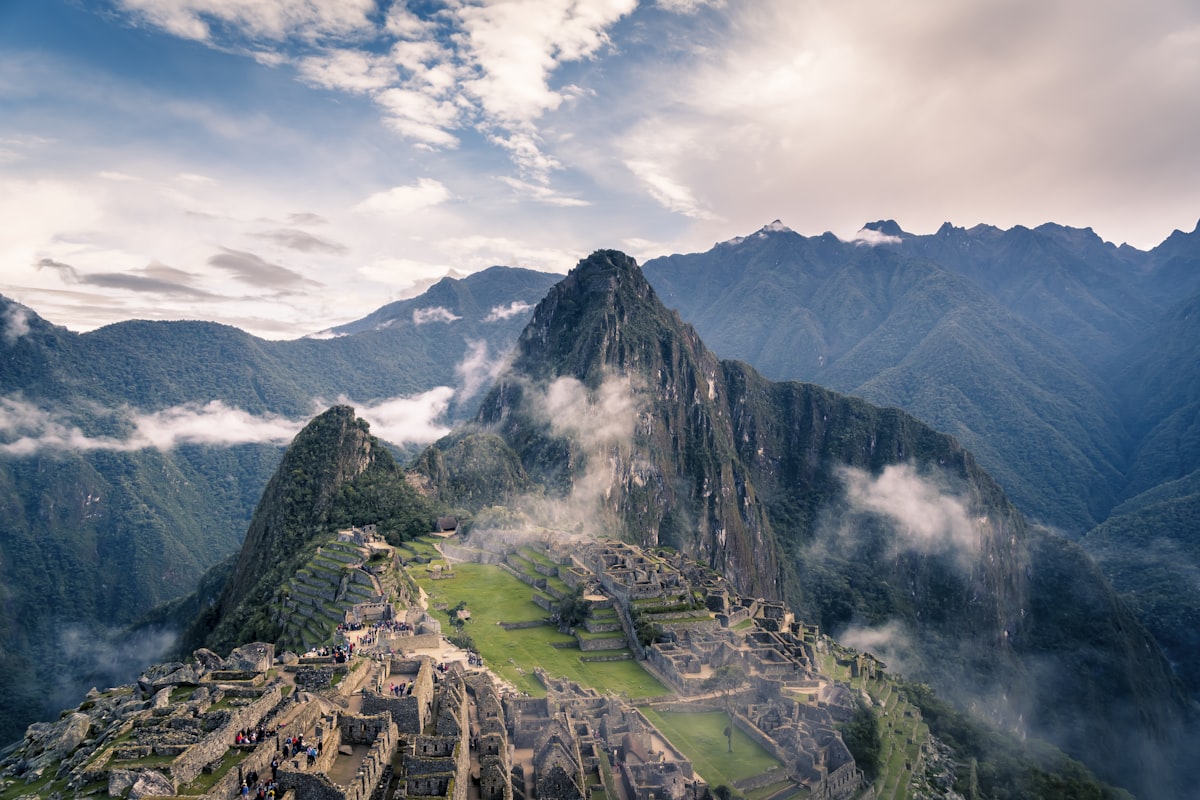
This town exists solely to service the train terminal and the shuttle buses heading up the mountain. It feels industrial and functional, squeezed between steep valley walls and a rushing river. Everything is walkable in fifteen minutes, centered around the train tracks and a bustling handicraft market. It is not for relaxation; it is a strategic transit point for your morning ascent to the ruins.
Rent a car in Peru
Compare rental cars from local and international companies, with free cancellation on most bookings.
Compare car rentals in PeruOne thing to think about
Avoid staying near the main bus terminals in any major city like Lima or Cusco. These areas are perpetually congested, lack walkable appeal for tourists, and force you to contend with relentless noise from early-morning departures. Prioritize central neighborhoods to save time, as getting across urban traffic is frequently slower than anticipated.
Other places to stay in Peru: Casa Andina
Once you have a bed
The things that sell out first in Peru are the small-group tours and the skip-the-line tickets.
Top tours & activities in Peru
Common questions
How should I manage my altitude acclimatization?
Prioritize booking your first two nights in a lower-altitude town or rest immediately upon arrival in the Andes. Avoid strenuous hiking or heavy meals for the first forty-eight hours. Most hotels in Cusco provide coca tea, which is standard practice, and you should ensure your accommodation is located near flat ground to minimize unnecessary exertion while your body adjusts to the thinning air.
Are internal flights better than long-distance buses?
For distances exceeding six hours, flights are significantly more efficient despite the airport transfer times. Bus travel in Peru is affordable and can be luxurious with 'cama' (flat-bed) seats, but mountain road transit is slow and prone to delays. If you are on a tight schedule, stick to domestic airlines for long hauls and save ground transport for shorter, scenic regional transfers.
What is the best way to handle local currency?
Always carry local Soles in small denominations for markets and taxis, as change is frequently unavailable for larger bills. While major hotels and upscale restaurants accept international credit cards, smaller vendors operate exclusively on cash. Use ATMs located inside banks or secure shopping centers to mitigate security risks, and notify your bank of your itinerary to prevent card blocks while traveling.
Hotel links go to Booking.com. If you book through them TonyPlan earns a small commission — the price you pay is exactly the same.