Home › Peloponnese › Where to stay
Where to stay in Peloponnese
The Peloponnese is a vast, rugged peninsula defined by mountainous interiors and sprawling coastlines. Because public transport is sparse and slow, your base dictates your entire itinerary. Choosing a coastal town like Nafplio provides easy cultural access, while staying in the wild Mani Peninsula requires a car to bridge the distance between stone tower villages. Select your region based on whether you prioritize beach lounging, ancient ruins, or remote hiking trails.
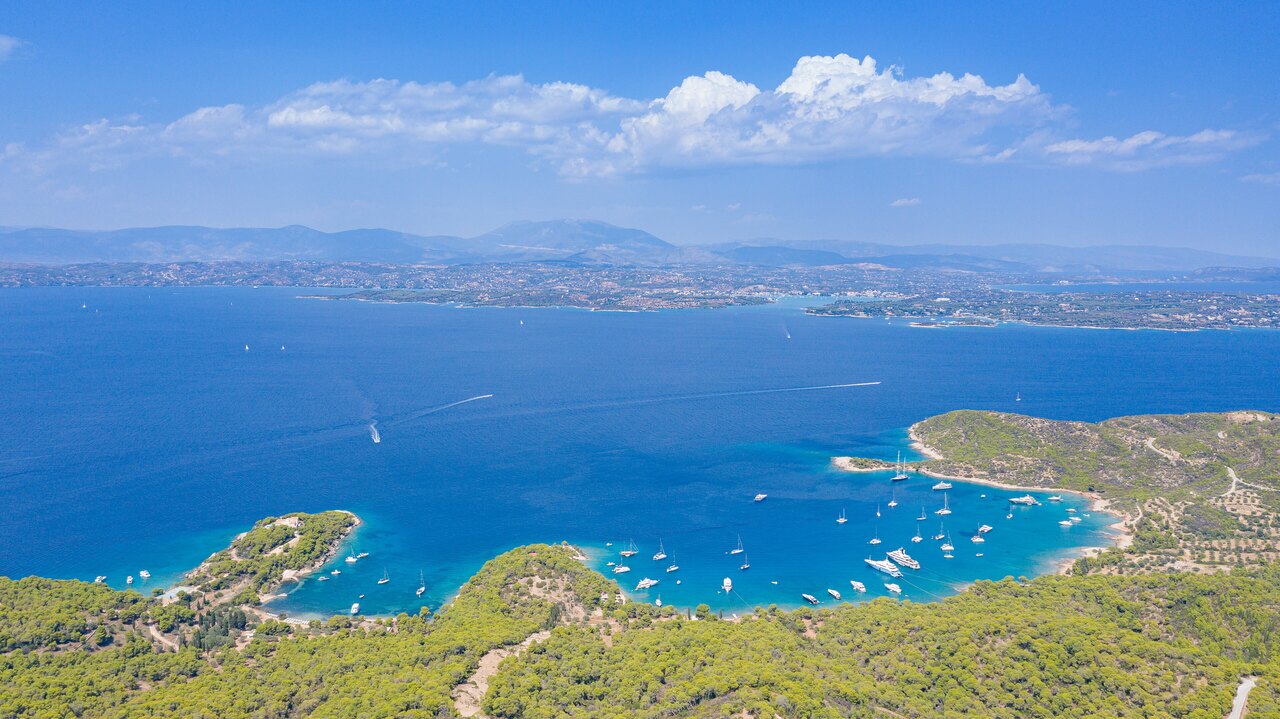
Nafplio
This Venetian-style port feels sophisticated and refined. You can walk the entire historic center in minutes, winding past pastel-colored mansions and bougainvillea-draped alleys. The climb up to Palamidi Fortress offers panoramic views, while the seaside promenade leading to Arvanitia Beach is perfect for evening strolls. It is the most walkable town in the region, serving as a tactical hub for visiting Mycenae and Epidaurus.
Areopoli
Set on a stone plateau, this town captures the fierce spirit of the Mani. Walking the narrow, slate-paved streets reveals traditional tower houses that define the local architecture. It serves as a gateway to the Diros Caves and the seaside village of Limeni, which is just a short drive down the cliffside. The central square feels lived-in, buzzing with locals drinking coffee rather than just transient crowds.
Monemvasia
Staying inside the Kastro (the lower town) is an atmospheric immersion into history. The entire area is a car-free labyrinth of Byzantine stone houses and vaulted pathways. You can walk from the main gate to the seaside walls in ten minutes, passing small tavernas and churches like Agia Sofia. It feels disconnected from modern time, especially once the day-trippers depart and the quiet stone alleys take over.
Rent a car in Peloponnese
Compare rental cars from local and international companies, with free cancellation on most bookings.
Compare car rentals in PeloponneseOne thing to think about
Avoid basing yourself in the generic sprawling suburbs of Patras if you seek a vacation atmosphere; it serves as a transit hub for ferries, but lacks the charm and walkability of the smaller historical towns found throughout the peninsula.
Other places to stay in Greece: lastminute.com · Megabon
Once you have a bed
The things that sell out first in Peloponnese are the small-group tours and the skip-the-line tickets.
Top tours & activities in Peloponnese
Common questions
Do I really need to rent a car?
Public buses exist but they are infrequent and unreliable for reaching the best beaches or remote mountain villages. To see the Peloponnese properly, a rental car is essential. It provides the freedom to navigate the winding coastal roads and reach historical landmarks at your own pace without relying on limited regional bus schedules.
When is the best time to visit?
Late May through June or September are ideal. During these months, the weather is warm enough for swimming but lacks the intense, blistering heat of July and August. You will also avoid the peak crowds that descend on popular sites like Nafplio and Olympia during the height of the summer vacation season.
Is it easy to island-hop from the Peloponnese?
While the Peloponnese feels isolated, you can easily access the Saronic Islands from the port of Ermioni or Tolo. Ferries run regularly to Hydra and Spetses, making day trips or short overnight stays very manageable. However, do not expect to reach the Cyclades easily, as those routes generally require returning to Athens.
Hotel links go to Booking.com. If you book through them TonyPlan earns a small commission — the price you pay is exactly the same.